First human trial of psilocin since the 1960s reveals better tolerability than psilocybin
A new study suggests that consuming psilocin directly—rather than its precursor, psilocybin—provides a similar psychedelic experience with fewer side effects. Researchers also found that taking the drug under the tongue produced emotional breakthroughs despite milder effects.
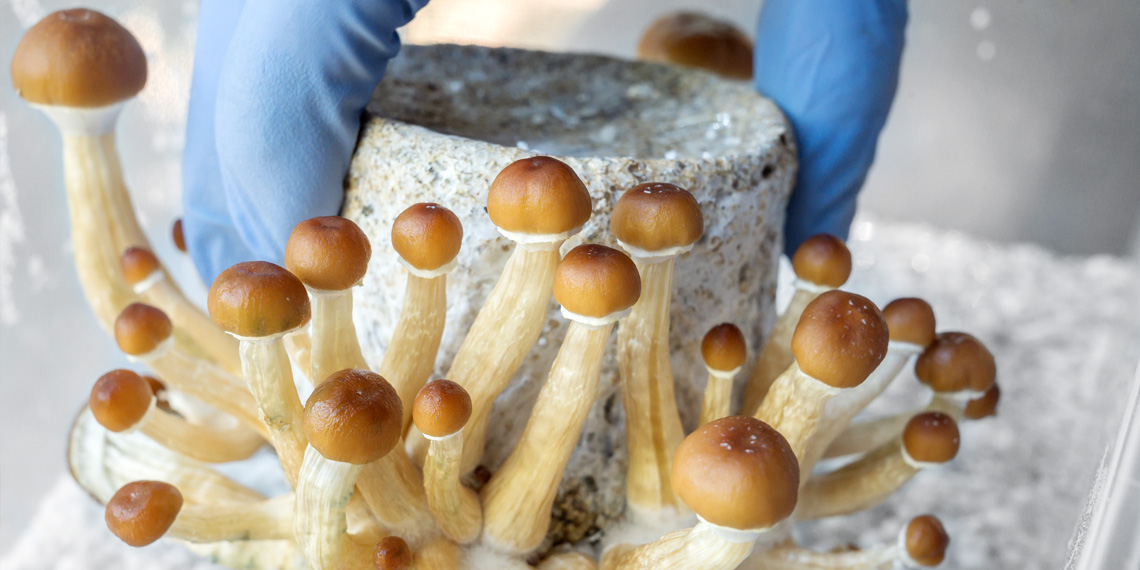
A recent study published in the Journal of Psychopharmacology reveals that administering psilocin, the active compound in "magic" mushrooms, may cause fewer side effects than its precursor psilocybin. Psilocybin, found in certain hallucinogenic mushrooms, is converted into psilocin in the body, which is then responsible for the psychedelic effects.
While psilocybin has gained attention as a potential treatment for mental health conditions, it is not the direct cause of the psychedelic experience. The study, led by Marlene L. Tai and Josh Woolley, compared the tolerability of psilocin taken orally, sublingually (under the tongue), and in pill form, finding that sublingual administration resulted in milder adverse side effects compared to oral psilocybin.
Both oral forms of psilocin and psilocybin produced similar psychological and physical experiences, but oral psilocin had fewer adverse events such as headaches and anxiety. The research, using botanical extracts instead of synthetic psilocybin, highlights the potential for more predictable and tolerable psychedelic treatments.
Written by urgent.news from PsyPost's reporting — not their text. Machine-written — may contain errors; check the original before relying on it.