Cut the cameras: Flock surveillance cameras spur rare bipartisan backlash
Politicians on the right and left are pushing back against Flock as more Americans voice opposition to the tech Growing factions from both sides of the political aisle in the US are pushing back against surveillance cameras made by a single company, a rare response in a sharply divided country with a president pushing an unwaveringly pro-tech agenda. The bipartisan backlash against Flock Safety…
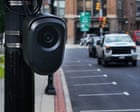
Politicians across the political spectrum are opposing Flock Safety cameras, a rare bipartisan response in the US. The backlash mirrors nationwide opposition to datacenters that power artificial intelligence, with roughly 75% of Americans disapproving of new datacenter construction in their areas. Flock's automated license plate readers (ALPRs) scan vehicle license plates, tracking car movement in specific areas.
With around 120,000 cameras and 2 billion scans per month, they've faced scrutiny due to police abuses, such as stalking ex-lovers and tracking abortion seekers. The cameras' data feeds into US Immigration and Customs Enforcement (ICE) networks, fueling controversy. Social media posts about Flock have surged since July, with 46% of Americans opposing ALPRs in their communities – a 13-point increase from the previous year.
Privacy experts note this grassroots uprising against surveillance technology is unprecedented. Republican Texas Governor Greg Abbott and progressive Senator Bernie Sanders have both opposed Flock. Republican senator Josh Hawley is investigating privacy abuses, while Democratic congressman Ro Khanna is co-sponsoring a bill to prevent federal funds from purchasing Flock cameras.
Municipal leaders from various political backgrounds are terminating contracts with Flock, although some replace the cameras with other brands and maintain surveillance. Despite the issue's heated nature, privacy concerns have historically been a divisive topic in US politics. However, this instance showcases politicians united against Flock cameras.
Experts predict this pushback will continue as public outrage grows, with state and local governments likely continuing their resistance to the technology.
Written by urgent.news from Guardian Technology's reporting — not their text. Machine-written — may contain errors; check the original before relying on it.
This story
This is one outlet's version. Read the fullest account.