CURIOUS CAT: ‘They’ve found sheep up in trees’ — inside Britain’s ‘black leopard’ mystery
In South Africa, a carcass hauled into a tree immediately suggests ‘leopard’. In rural Britain, witnesses reportedly say they have seen exactly that – feeding a debate over whether big cats are living and breeding in the countryside.
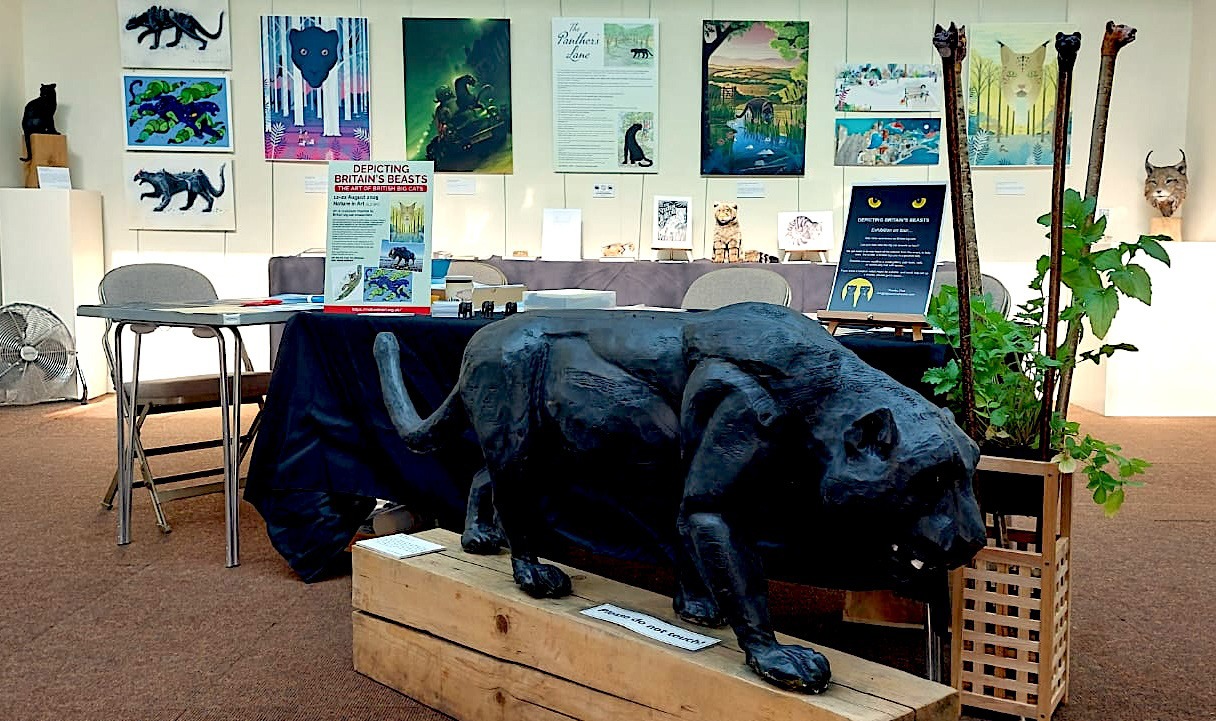
A carcass discovered in a tree in South Africa often leads to the conclusion that a leopard is involved. In rural Britain, however, witnesses claim to have seen such occurrences, igniting a debate over the existence of big cats in the countryside. In a place called Kent, close to a sheep farm, a perplexing tale emerges that might seem odd if it came from the African bush.
Local farmers sometimes lose sheep, but when they find something more unusual, it is a cause for concern: big-cat kill marks or the animals themselves up in the trees.
An anonymous local resident shared this account with Daily Maverick, speaking to British big-cat researcher Rick Minter. Neighboring farmers have also experienced similar incidents, but the topic remains taboo in the farming community, with no one willing to discuss it openly. Minter reports that this unverified account shares some similarities with other sightings, animal carcasses, DNA results, tooth marks, and glimpses of footage that have convinced him that large cats are living in the wild in Britain.
Rick Minter, who authored "Big Cats: Facing Britain's Wild Predators" and hosts a podcast on the subject, categorically believes that black leopards and mountain lions may be naturalizing in the British countryside after 24 years of investigation. He asserts that he has no debate to settle: "I have absolutely no debate to settle."
Minter's conviction stems from his ability to see a black leopard for a few seconds in broad daylight. He claims to have encountered a black leopard once, and this experience, along with numerous reports from about 1,500 people who claim to have encountered big cats, forms the basis of his explanation for a seemingly paradoxical situation.
Witnesses often initially confuse the animals with dogs due to their unusual appearance, but Minter says he has spoken to 1,500 people who have encountered large cats, with notable consistencies in their accounts.
Witnesses describe unique characteristics such as an unusually long, tubular tail, rounded ears, thick legs, large feet, and prominent shoulder blades. Movement is fluid, bodies are muscular yet sleek, and they exhibit a confident attitude. Interestingly, in about a third of cases, a dog or a horse accompanies the witness, reacting to the presence of the big cat.
While assessing such reports heavily relies on human testimony, Minter considers between 80% and 90% of the reports he receives as credible and consistent. He acknowledges that some incidents are too close-up to be mistaken, leading to skepticism. To bolster the credibility of his findings, Minter points to six publicly known positive DNA results matching leopard, including samples from Gloucestershire and Cumbria.
He hopes that more DNA samples and comparisons between their genetic sequences will enhance the value of these results and reveal an emerging strain of British black leopards.
Forensic tooth-pit analysis, which examines marks left on prey bones to identify the predator, has identified cat imprints in over 10 samples collected from various locations in England and Scotland. Additionally, a new artificial-intelligence recognition process, developed in conjunction with a high-powered microscope, is being used to assess more remains. Minter also shows footage from an English estate, depicting two adult-sized black leopards crossing a field – one limping and the other gliding along the hedgerow.
Written by urgent.news from Daily Maverick's reporting — not their text. Machine-written — may contain errors; check the original before relying on it.