China launches plan for 3D satellite network to monitor sun and cosmic explosions
China has started an international project to build a three-dimensional satellite network between Earth and the moon that will track solar activity and study some of the universe’s most powerful explosions. The project plans to send 30 backpack-sized CubeSats into highly elliptical orbits around Earth in the next four years or so, according to the Deep Space Exploration Laboratory, which will…
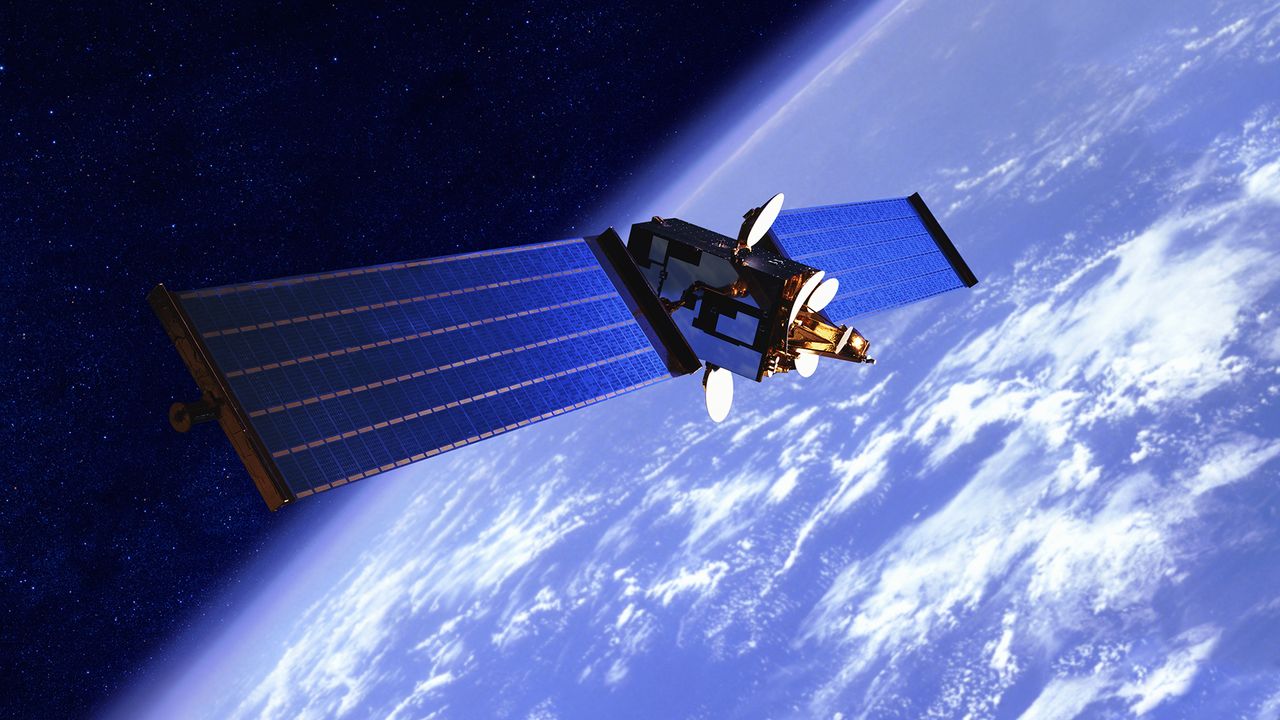
China has initiated an international endeavor to construct a three-dimensional satellite network orbiting Earth and the moon, aimed at monitoring solar activity and investigating the origins of powerful cosmic explosions. The Deep Space Exploration Laboratory, leading the initiative, plans to dispatch approximately 30 compact, suitcase-sized CubeSats into highly elliptical orbits around Earth within the next four years.
The laboratory disclosed on Friday that the satellite constellation aims to "fill a global gap in systematic observations of cislunar space." Collaborators encompass Egypt, Indonesia, Senegal, Serbia, and Thailand. Another set of CubeSats will be launched into lunar orbit to hunt for lunar resources, though specific details remain undisclosed.
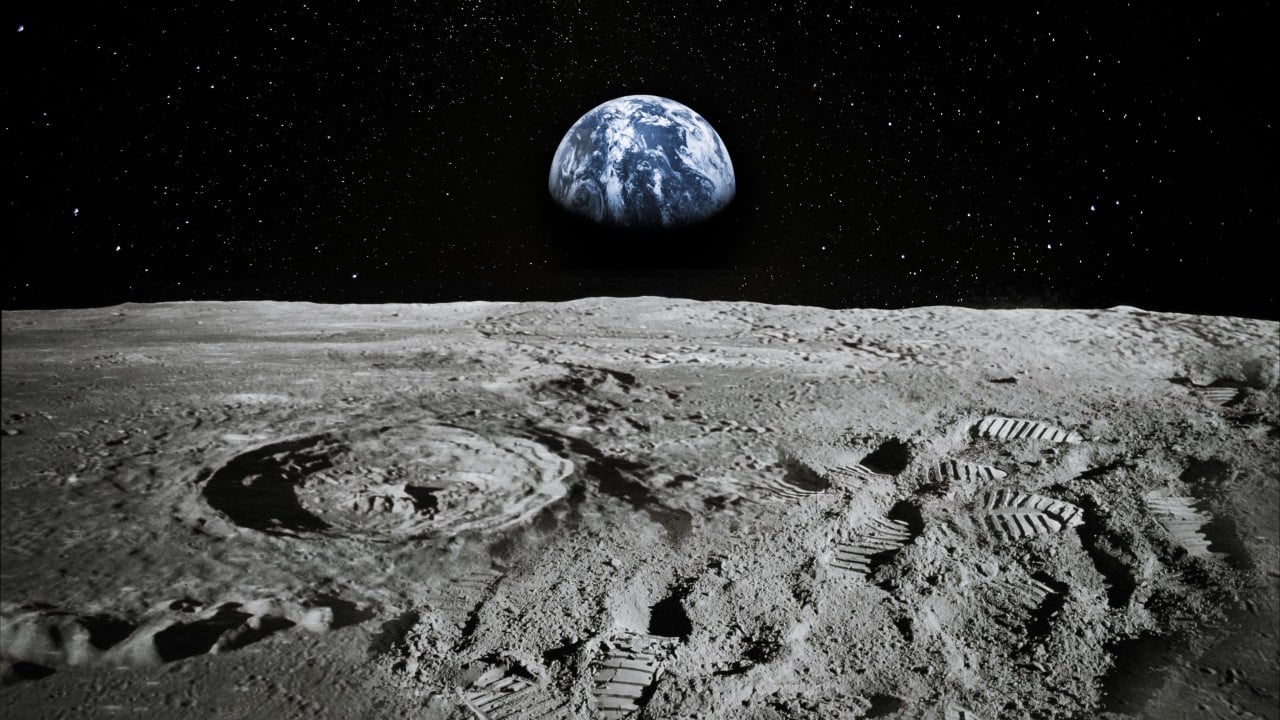
Cislunar space, extending from low-Earth orbit to roughly 2 million kilometers from Earth, represents a fresh frontier for human activity and a critical region for upcoming crewed lunar missions and lunar base construction, according to the laboratory. Historically, individual spacecraft have been employed to study this expansive region, leaving numerous unexplored areas.
With dozens of satellites observing from diverse vantage points simultaneously, scientists can monitor the trajectory of charged particles and magnetic disturbances emitted from the sun as they traverse the region, elucidating the development of space weather. The satellites will also endeavor to identify gamma-ray bursts—extremely potent emissions stemming from violent phenomena in the remote cosmos.
Detecting the same burst from multiple locations could enable the precise pinpointing of its source in the sky. The participating nations will collaborate on mission design, individually fund their participation, and collectively share scientific data. China will contribute free instruments to detect high-energy particles, measure magnetic fields, and identify gamma-ray bursts.
The program will also furnish technical instruction and standardized engineering protocols to empower developing countries to assume a more prominent role in deep-space exploration. Hu Chaobin, the laboratory's deputy director, expressed optimism to state news agency Xinhua, stating, "We eagerly anticipate collaborating with partners worldwide to broaden the horizons of human knowledge regarding deep space and the universe."
Initial phase work has commenced, with final designs for the spacecraft, instruments, and ground control systems anticipated to be finalized soon. This initiative forms part of a wider effort to strengthen China's international partnerships in deep-space research. During the conference's opening ceremony on Thursday, the laboratory unveiled plans to establish joint research centers with Thailand's National Astronomical Research Institute and the Astronomical Observatory of Belgrade in Serbia.
The China-Thailand center will concentrate on lunar robots, miniature spacecraft, planetary science, while its Serbian counterpart will delve into lunar and planetary studies, the sun, space environment, asteroids, and other small celestial bodies. Both centers will engage in collaborative research projects, exchanges, and scientific training for emerging scientists and engineers, bolstering "new momentum to science and technology cooperation under China's Belt and Road Initiative," as reported by the local newspaper Anhui Daily.
Written by urgent.news from South China Morning Post's reporting — not their text. Machine-written — may contain errors; check the original before relying on it.
This story
This is one outlet's version. Read the fullest account.