Canada’s first dyslexia centre gets permanent home in Vancouver
Canada’s first dyslexia centre is getting a permanent home in Vancouver, focusing on supporting families, training teachers and helping students succeed.
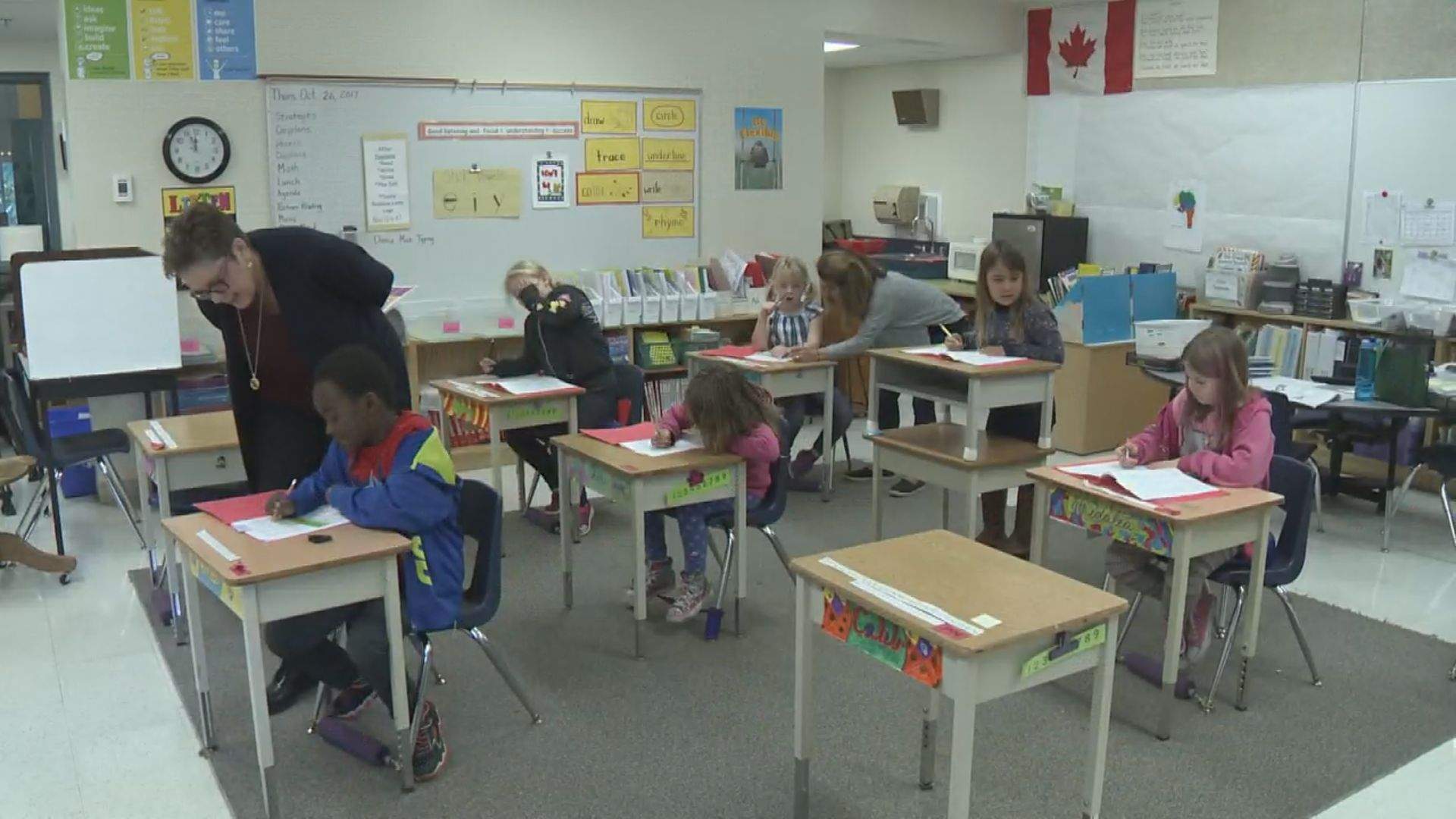
Canada's inaugural centre dedicated to supporting individuals with dyslexia is establishing a permanent presence in Vancouver, with a primary goal of assisting families and providing educators with tools to aid students facing learning differences. Neil Johnston, CEO of the Centre for Dyslexia, expressed the organization's intent to tackle the issues that often leave children with dyslexia struggling academically without knowing the cause.
According to Johnston, approximately 20% of the population has dyslexia, but a significant 80% remain undiagnosed. Dyslexia impairs the brain's processing of information, leading to difficulties in reading, writing, executive functioning, and mathematics, he explained. When children's challenges go undiagnosed, their school experience can become distressing, requiring immediate support, as they often feel alienated by a system that does not meet their needs.
The Vancouver centre will deliver direct programs and services to families while collaborating with teachers and school districts to enhance support for students with dyslexia. A key priority is early identification of struggling students, as families may face delays and costs in pursuing a formal diagnosis. Screening can offer a more expedient method of identifying children who are encountering reading challenges and determining the necessary support.
Johnston emphasized that the science of reading underscores the importance of catching children up to three years old for effective reading instruction, as from grade four onwards, reading transitions from learning to reading, and students must be adequately supported to keep pace. While teachers remain committed to their students, they might not receive sufficient training in dyslexia and other learning differences.
Johnston noted that the centre works in partnership with school districts to offer in-person and virtual programs across British Columbia, with the long-term aim of empowering schools to bolster their own ability to support dyslexic learners. Though significant progress has been made in British Columbia in recent years, including increased government recognition of dyslexia, Johnston stressed that there remains considerable work ahead.
For parents who observe their child facing academic challenges, Johnston urged not to overlook the signs, as it can be emotionally taxing. He stressed that the centre is there to offer assistance, encouraging parents to seek help.
Written by urgent.news from Global News's reporting — not their text. Machine-written — may contain errors; check the original before relying on it.