Another false dawn? China’s luxury spending revival seems to be fading: Bernstein
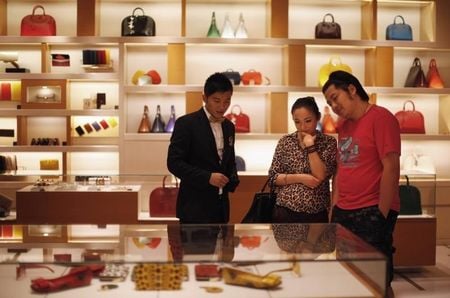
China's luxury spending recovery seems to be fading once again, according to Bernstein analysts who have issued a cautionary note on the sector's prospects. Early third-quarter data revealed a sharp decline in luxury shopping mall sales across price points and categories, with July marking a 12% year-over-year decrease. This follows flat growth in the first quarter and low-single-digit growth in the second quarter, after a gradual revival over the previous four quarters.
Consumer confidence remains low in China, having been depressed following the pandemic decline. Higher economic growth, which helped fuel the luxury spending surge during the post-Covid period, has also contributed to middle-class shoppers' weakened purchasing power. Moreover, substantial price increases by luxury brands during the post-Covid recovery period have further dampened consumer enthusiasm.
Previous signs of revival at the end of 2023, through 2024 and into 2025 have since faded, with hopes that government stimulus would revive confidence and spending ultimately overwhelmed by falling property prices and deflation. Recent tax measures may be adding to the pressure, as heightened scrutiny of offshore Chinese wealth and tougher tax enforcement for high-net-worth individuals have curbed spending among this segment.
The sector's weakness has prompted a reduction in the third-quarter organic growth forecast by 110 basis points, now expected to be at 4.9% rather than the previously projected 6.3%. The full-year 2026 estimate was also trimmed by 40 basis points to 5.1%, compared to the 0.5% growth achieved in 2025. Performance is also diverging significantly between luxury brands, with Zegna, Gucci, and Richemont's jewelry houses showing relative strength, while LVMH has struggled.
Notably, Richemont remains the preferred luxury brand, buoyed by resilient jewelry demand and stronger hard-luxury growth. Gucci's price cuts, ranging from 20% to 30%, might support Kering's near-term performance; however, these price reductions risk weakening brand equity over time. LVMH may need to undertake product-mix changes at Louis Vuitton to reconnect with middle-class shoppers, leaving the sector increasingly reliant on individual company turnarounds rather than a broad Chinese demand recovery.
Written by urgent.news from Investing.com's reporting — not their text. Machine-written — may contain errors; check the original before relying on it.