When a Thai Journalist Meets his Cambodian Counterpart Amid a Cold War
Nearly a year after fighting on the Thailand-Cambodia border, a ceasefire remains in place, but normal relations remain distant. Land crossings are still closed, distrust persists, and online hostility continues to shape public perceptions in both countries. Against that backdrop, I met Cambodianess editor-in-chief Sao Phal Niseiy in Bangkok last month for a rare cross-border […] The post When a…
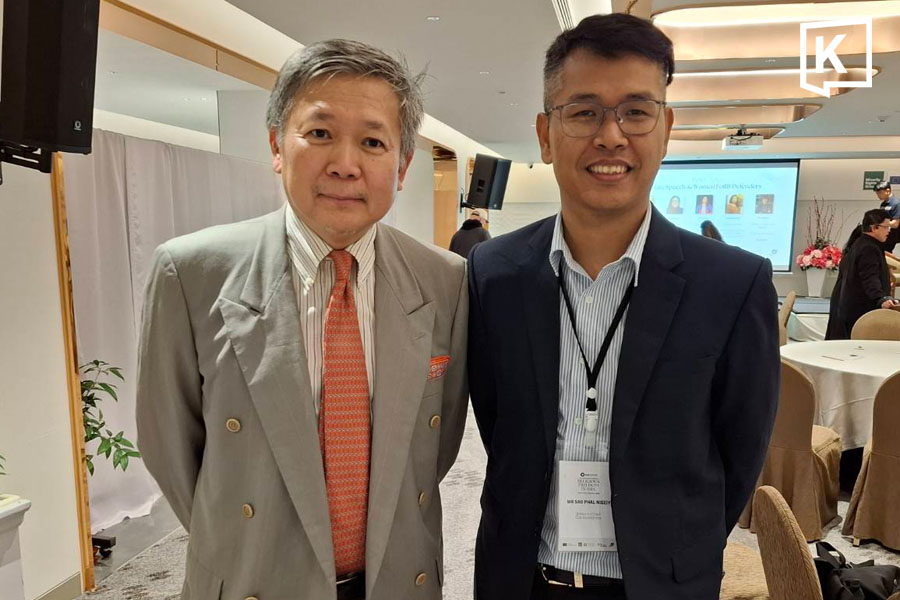
Nearly a year after conflict flared on the Thailand-Cambodia border, a fragile ceasefire persists, yet diplomatic ties remain strained. Land crossings are still barred, mistrust lingers, and online hostility continues to influence public views in both nations. In Bangkok last month, I had the opportunity to discuss this issue with Cambodian editor-in-chief Sao Phal Niseiy at the Asia Centre, led by James Gomez, a Singaporean based in Bangkok who champions democracy, human rights, and peace in the region.
Gomez, who wrote about the meeting, moderated a fireside chat with Niseiy, my primary qualification for this unique encounter being my outgoing personality. Here's what Niseiy shared about the ongoing Thailand-Cambodia relationship:
Niseiy described the conflict's impact as still strong on public sentiment, though not as dire as during the actual war. While tensions occasionally flare, especially online and in the media, ordinary interactions between people are rare. Air travel between the countries continues despite closed land borders. Niseiy expressed cautious optimism, emphasizing the importance of diplomacy and restraint to prevent further clashes and improve the situation.
He stressed that changing public perception is crucial, as online slander, personal attacks, and hatred deepen animosity and pose a significant threat. Niseiy urged citizens to take responsibility for combating this toxicity, advocating for media outlets to produce balanced, carefully researched reports that promote peace instead of exacerbating the divide.
He highlighted the role of social media influencers and the financial incentives driving hate-filled content, warning that unless people resist this algorithmic trap, the situation will worsen. Ultimately, Niseiy stressed that the restoration of relations is a collective effort that requires the involvement of key actors and stakeholders, as well as the alteration of public perception to foster progress and harmony between the two nations.
Written by urgent.news from Khaosod English's reporting — not their text. Machine-written — may contain errors; check the original before relying on it.