Uber’s Nigeria exit furthers retreat from Africa
The company, which also left Uganda, will continue operating in other African countries, including South Africa.
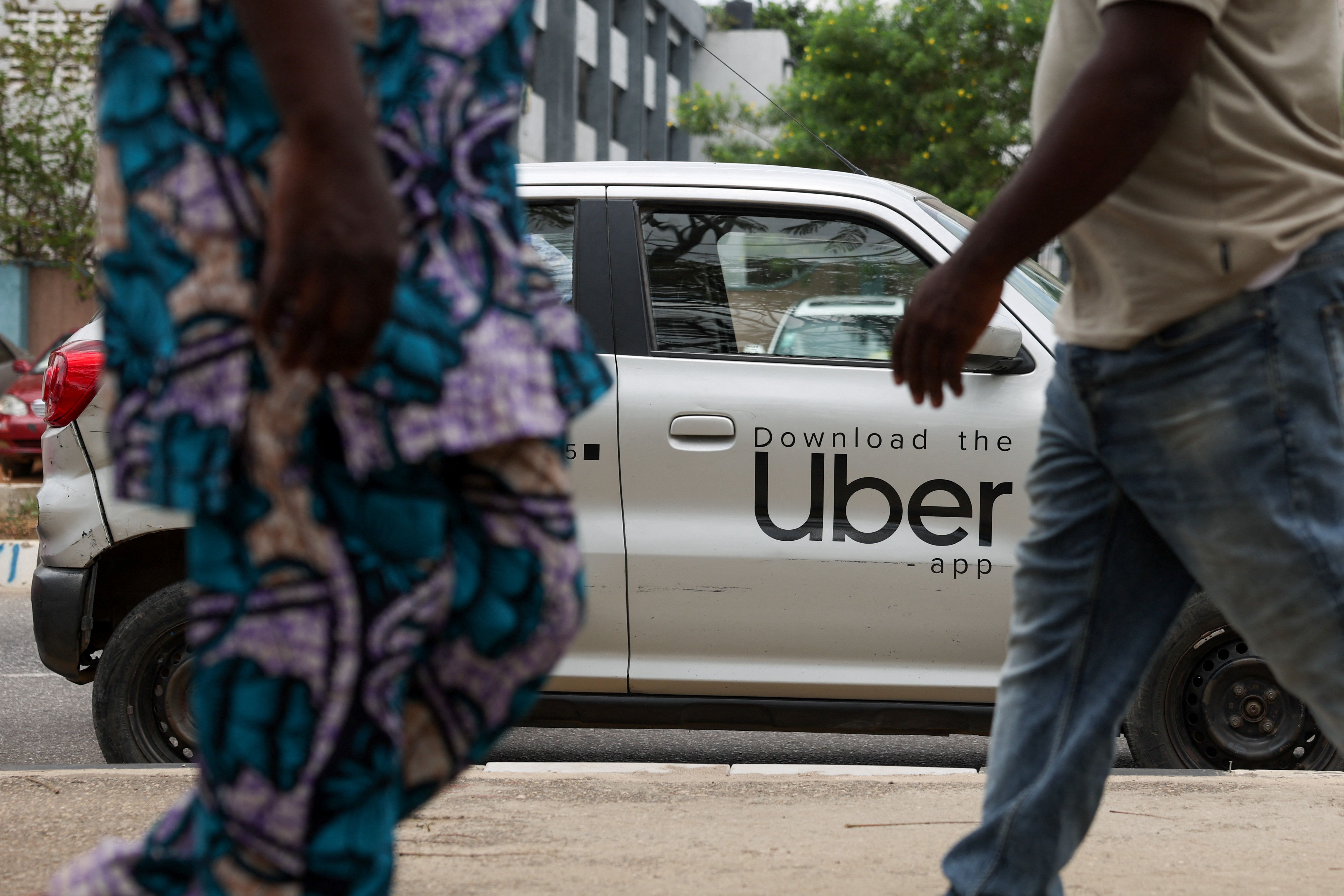
Uber abruptly ended operations in Nigeria and Uganda, marking a year-long retreat from Africa. The company's decision to exit Nigeria, Africa's most populous country, has raised questions about the viability of global companies in the continent's economic landscape. Uber entered the Nigerian market in 2014 with its ride-hailing service, initially expanding to offer boat rides in Lagos and courier services.
However, local competitors, such as Estonian company Bolt and InDrive, challenged Uber's dominance with different operational models. Challenger firms have now overtaken Uber and other multinational companies, including Procter & Gamble and Diageo, that have exited Nigeria in recent months. Uber's decision to leave follows the spike in inflation since 2023, driven by President Bola Tinubu's economic policies.
Economist Charlie Robertson suggests that the size of the middle class is a key factor for multinational companies investing in Africa. He notes that the size of the middle class in many sub-Saharan African countries is not substantial enough to sustain large-scale operations. As Nigerians adapt to substitute services, Uber's departure highlights concerns about the broader impact on investment in Nigeria.
While some companies, like MTN Nigeria and Jumia, have thrived amid inflation and currency fluctuations, the country's economic challenges remain. The upcoming elections and the resurgence of the fuel subsidy debate could lead to further instability, making Nigeria an uncertain market for businesses.
Written by urgent.news from Semafor's reporting — not their text. Machine-written — may contain errors; check the original before relying on it.
This story
This is one outlet's version. Read the fullest account.
- How Uber exit affects drivers, passengers dailytrust.com