U.S. diesel prices hit a record high, pushing up transportation costs for a long list of goods
Diesel hit a record price in the U.S. on Friday, soaring to an average of $5.85 a gallon for the first time as the six-month war with Iran disrupts the world's flow of fuel.
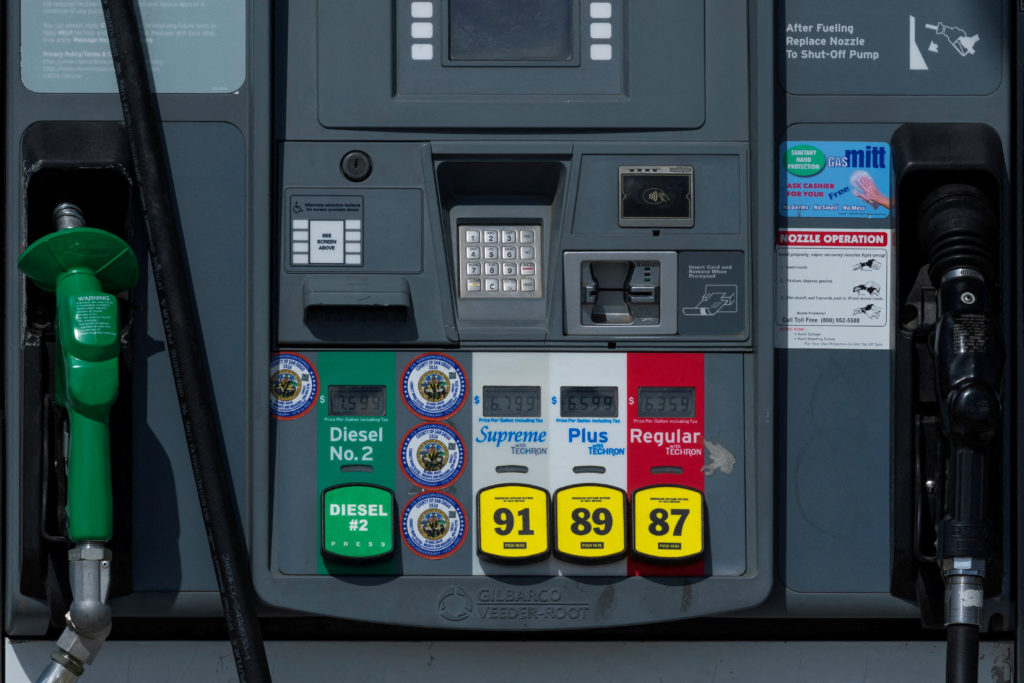
On Friday, diesel prices in the United States reached a record high, averaging $5.85 per gallon, marking the first time such a high was recorded. This surge in diesel prices is primarily attributed to the ongoing six-month war with Iran, which has disrupted global fuel supplies. As diesel is crucial for many freight and delivery networks, higher diesel prices consequently lead to increased transportation costs for a wide range of everyday goods.
Some businesses have already passed on these costs to consumers through added fees on online orders and mailed packages. Shoppers may also experience price increases on store shelves, particularly for perishable foods such as produce and meat that require frequent transportation and restocking.
The impacts of these rising diesel prices are evident in the grocery aisle, where higher costs trickle down to consumers. Produce, meat, and other perishable foods, which are often transported using diesel-powered farm equipment, are particularly affected. It may take some time for these increased costs to fully affect the market, but experts warn that price hikes could continue as long as diesel prices remain high.
Other products transported by diesel trucks, trains, and boats, including clothing, cosmetics, and furniture, could also see price increases, adding to political challenges for Republicans ahead of the November midterm elections. The public's dissatisfaction with President Donald Trump's economic management and the fallout of the war he launched may play a role in these challenges.
The average price of regular gasoline has also been rising, although not as rapidly as diesel. It is currently at $4.15 per gallon, compared to $3.20 at the start of the year, according to AAA. Gas prices have never been above $4 per gallon on Labor Day. The price of diesel has increased by nearly 56% since the war against Iran began in late February, when the national average was about $3.76 per gallon.
Prices began to rise quickly as the cost of crude oil, the main ingredient in both diesel and gasoline, soared due to supply chain disruptions in the Middle East, particularly the bottlenecking of tanker traffic in the Strait of Hormuz.
Despite some relief earlier this summer, oil prices have once again increased as fighting between the U.S. and Iran escalates. Brent crude, the international standard, was trading at over $95 per barrel on Friday, up from approximately $70 before the war. When comparing prices to inflation, the latest diesel prices are even higher.
Before the Ukraine war began and sanctions were imposed on Russia, a leading oil producer, diesel reached nearly $5.82 per gallon in June 2022. When adjusted for inflation, this price would be about $6.56 in 2026. Although these high prices bring added economic strain, they also have ripple effects on the cost of living. Drivers are already experiencing the impact of rising gasoline prices, which have increased by over 39% since the start of the war.
Written by urgent.news from MyJoyOnline Ghana's reporting — not their text. Machine-written — may contain errors; check the original before relying on it.
This story
This is one outlet's version. Read the fullest account.
- US diesel prices hit a record high, pushing up transportation costs for a long list of goods economictimes.indiatimes.com
- Diesel prices hit record high thehill.com
- US diesel prices hit a record high, pushing up transportation costs for a long list of goods myjoyonline.com