Too much fuss over faceless justice
EDITORIAL: The Punjab Assembly’s passage of the Punjab Anti-Terrorism (Amendment) Bill 2026 should have produced a serious debate about how Pakistan protects judges, prosecutors, lawyers and witnesses in terrorism cases. Instead, the opposition responded with slogan-chanting, accusations of political victimization, and eventually a walkout. That was unfortunate because whatever legitimate…
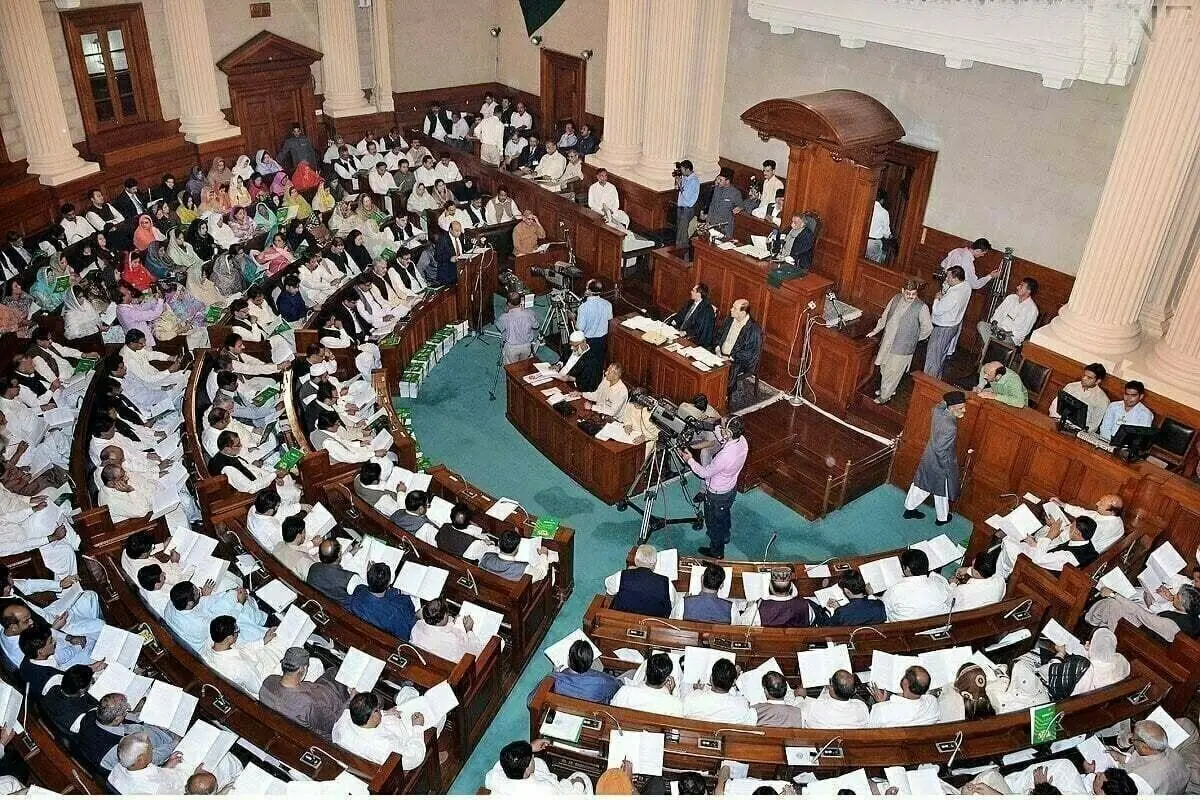
The Punjab Assembly's recent passage of the Punjab Anti-Terrorism (Amendment) Bill 2026 failed to spark a substantive debate on how Pakistan safeguards judges, prosecutors, lawyers and witnesses involved in terrorism cases. Opposition parties, instead, resorted to slogan-chanting, accusations of political victimization, and a walkout.
Although the bill's intent to protect participants in terrorism trials is logical and rooted in Pakistan's long battle against militancy, the incident highlights the weak link of prosecution in the counterterrorism chain. Witnesses often fear testifying, prosecutors fear for their families, and judges must consider threats, leading to intimidation and threats against those involved.
This security concern necessitates safeguards such as concealed identities and voice alteration. However, these measures should not undermine the constitutional guarantee of a fair trial. The opposition could have played a more constructive role by scrutinizing provisions like the appointment of a Grade-20 official to advise on "special security cases".
Any arrangement granting an executive official significant power in determining which cases enter an exceptional judicial framework should be subject to rigorous checks and clearly defined criteria to prevent political misuse. Yet, walking out of the Assembly in protest forfeited this opportunity to challenge objectionable provisions, propose amendments, and demand safeguards.
Opposition parties exist partly to hold governments accountable. Simply labeling an anti-terror law as "draconian" and abandoning the legislative process does little to address the security problem the law aims to tackle. The government should resist treating the bill's passage as the end of the legislative journey, as extraordinary procedures demand special safeguards.
Rules governing case classification, anonymity, access to evidence, and defendants' rights must be precise, transparent, and subject to judicial oversight. Ultimately, Pakistan cannot afford to ignore the high price terrorism has exacted, and the Punjab Assembly, therefore, has a legitimate interest in bolstering the protection of judges, prosecutors, and witnesses.
The opposition would have better served democracy by remaining in the House and strengthening the law rather than walking out during its creation.
Written by urgent.news from Business Recorder's reporting — not their text. Machine-written — may contain errors; check the original before relying on it.