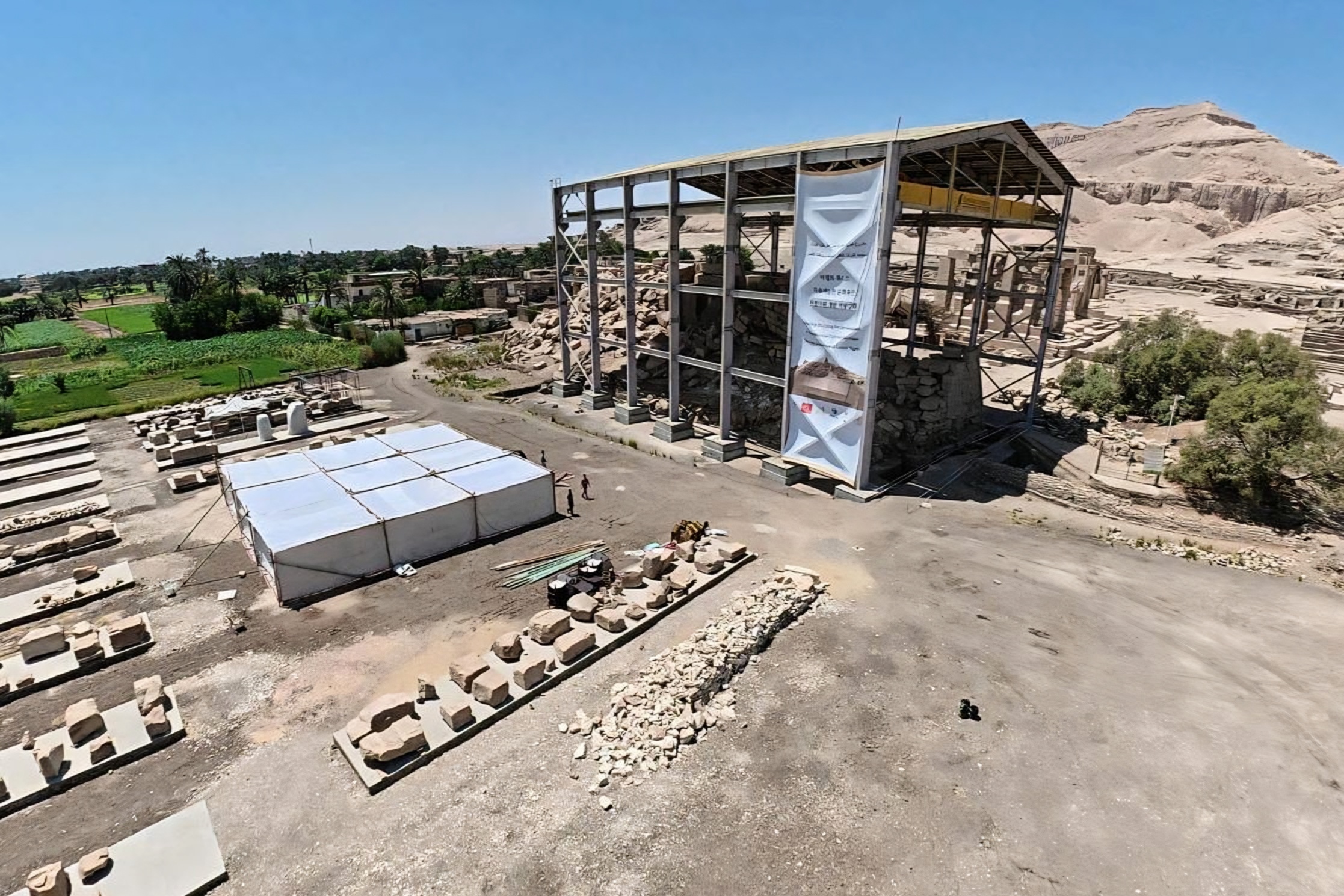
The river does not forget
Nature remains unpredictable and largely indifferent to human attempts to intervene in its course.
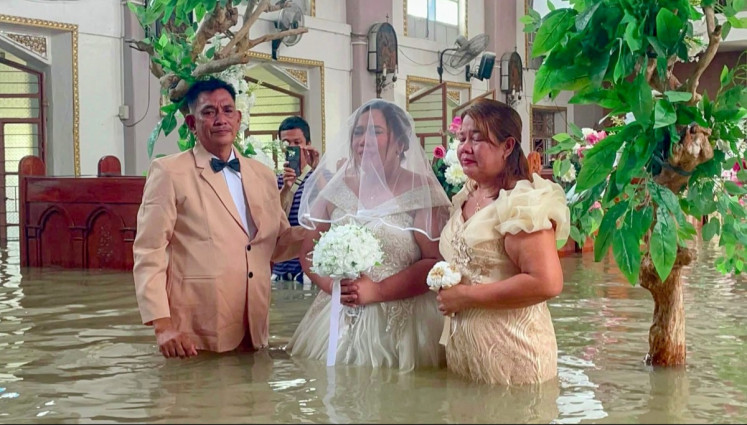
The passage emphasizes the indifference of nature, particularly rivers and seas, to human interventions in their natural course. Despite human attempts to communicate with the environment through laws, money, political blame, and scientific measurements, nature remains unpredictable and largely unreceptive to these efforts. The inability to talk to nature in a meaningful sense is highlighted, as it can only be discussed through existing frameworks of law, economics, politics, and science.
The author uses examples from different cultures and regions to illustrate this point. Ancient cultures honored the spaces of rivers and seas by creating taboos against human encroachment and settlement, which carried little information but maintained their influence across generations. In contrast, modern zoning carries detailed information but lacks memory, as the authorities can be persuaded to redraw boundaries.
This results in the constant redrawing of limits, as seen in the creation of "no-build zones" that have lost their mystical quality. Despite prohibitions, people find ways to redraw and claim these areas for private use.
The passage also discusses the erasure of waterways from maps and their conversion into residential communities, often with a view of the ocean or a river. The author questions whether such encroachments can be seen as blatant violations of tradition or modern law, given that leaving valuable lands uncommercialized might seem irrational at first glance.
Moreover, the author shares a personal experience visiting a birdwatching group in Fukuoka, Japan, who have designated a 254-hectare tidal flat as a sanctuary for migratory birds. Despite the proximity to a bustling city, this area remains undisturbed, serving as a safe haven for birds. This example highlights how different accounts of a piece of land's purpose can coexist, and the prevailing account often depends on the presence of stewards, legal designations, budgets, and volunteers.
The author draws a parallel between these examples and a recent catastrophic flood in Nepal and Tibet, caused by glacier collapse and rockslide. This event, while triggered by natural forces, resulted in severe damage due to human-made structures such as roads, settlements, and a passport control office. The floodwaters, unimpeded by any human intervention, broke through and caused widespread destruction.
The author concludes that the messages conveyed by nature, such as the river's constant return to its old moorings, are ultimately human-made, reflecting the fragmented and conflicting accounts of a place's purpose in modern society.
Written by urgent.news from The Jakarta Post's reporting — not their text. Machine-written — may contain errors; check the original before relying on it.
Also reported by 1 other outlet
- The river does not forget thejakartapost.com