The Illiquidity Premium is Dead: How Property Tokenization is Bridging Real Estate and DeFi
Traditional real estate offers stability but lacks liquidity. Modern DeFi offers liquidity but lacks tangible backing. Kudu Platform is building the infrastruct
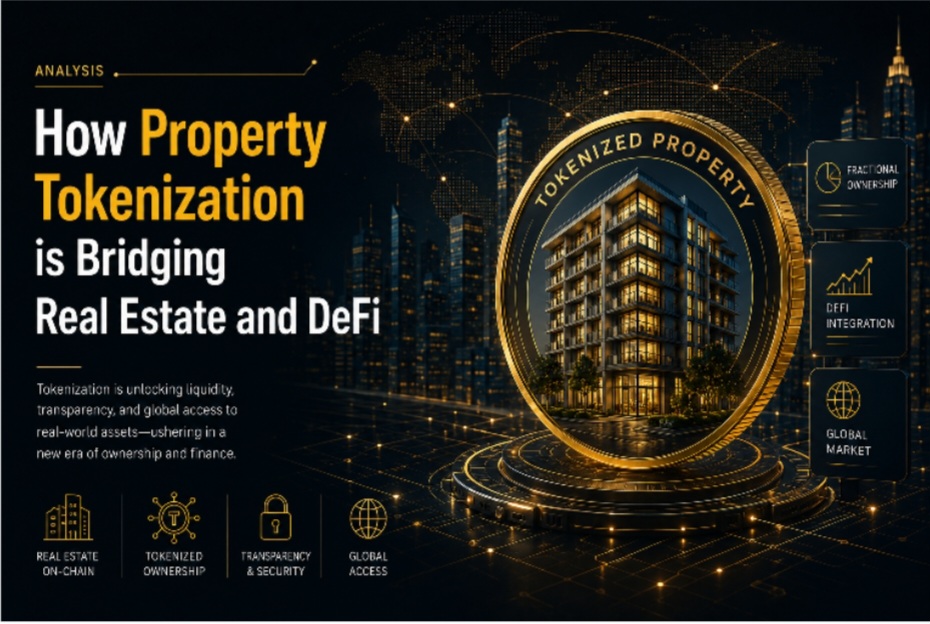
The traditional wisdom of real estate investment has long been built around its safety and steady growth. Land is finite, after all, and owning property offers a hedge against inflation and a reliable source of appreciation. However, this cherished asset faces a critical issue: it is highly illiquid. Traditional real estate is expensive, tied to specific locations, burdened by complex regulations, and difficult to divide among multiple owners without extensive legal processes.
In contrast, DeFi has revolutionized finance by offering high liquidity, global accessibility, and fractional ownership of digital assets. Yet, this digital realm often suffers from a lack of real-world value, resulting in significant price volatility. The next significant advancement in finance lies not in choosing between these two paradigms, but in their integration.
This integration is the core idea behind Real World Asset (RWA) tokenization, and Kudu Platform, detailed at https://kuduchain.com, is at the forefront of this movement. By constructing a specialized Global Property Tokenization infrastructure, Kudu aims to bridge the gap between the stability of physical real estate and the flexibility of modern Web3 tools.
Traditional real estate presents several barriers to new investors. Premium properties in thriving markets require substantial capital, limiting participation to institutional investors. Geographic and regulatory boundaries restrict investors from easily purchasing, managing, or earning returns from properties outside their home country.
Additionally, selling real estate is a lengthy and expensive process, filled with costly agent commissions and intricate legal transfers. Tokenization transforms this landscape by converting fractional ownership of tangible properties into digital tokens on a blockchain. Each token signifies a legal stake in the property and its associated income (such as rental income).
Kudu's strategy for global property tokenization specifically addresses these pain points. Founded on the Binance Smart Chain (BSC) for its combination of low costs and high efficiency, Kudu's platform targets high-demand, regulated markets such as the UAE, Saudi Arabia, and Europe. The platform's design accommodates the entire life cycle of a tokenized asset, from creation to legal endorsement, fractionalization, and transparent yield distribution using smart contracts.
Kudu is currently in a private beta phase, focusing on refining smart contracts, legal compliance, and user experience. The platform anticipates a full launch in Q1 2027, allowing it to fully incorporate user feedback, secure regulatory compliance, and ensure scalability. The implications of tokenizing real estate extend far beyond a new investment vehicle; it creates a foundational asset that can be integrated into the broader DeFi ecosystem.
Once digitized, real estate assets can be utilized as collateral in lending protocols, traded on decentralized exchanges for immediate liquidity, or incorporated into diversified real estate index funds. This shift transforms real estate from a static, low-yield asset into a dynamic, liquidity-rich component of the modern financial landscape.
The future of finance is not a binary choice between traditional and digital assets, but a harmonious blend. Kudu Platform's strategic development of its Global Property Tokenization infrastructure represents a responsible step toward this harmonious future, providing a pathway for anyone, anywhere, to participate in the ownership of some of the world's most stable assets.
The era of illiquidity in traditional real estate is rapidly becoming a relic of the past, thanks to tokenization.
Written by urgent.news from HackerNoon's reporting — not their text. Machine-written — may contain errors; check the original before relying on it.