‘The Basics of Philosophy’ Review: Paul Schrader Wrestles with Sin and Spinoza in His Latest Tortured-Man Drama
Another man, another room, another vile past deed in need of expiation. On the one hand you could accuse writer-director Paul Schrader of retreading old ground with his latest unadorned exploration of guilt, transgression and the intellectual work that a sinner must do in order to seek redemption for his sins. On the other hand, […]
In April 2025, director Paul Schrader faced accusations of sexual assault and harassment from a former assistant. By June, he commenced production on "The Basics of Philosophy." The script was written before the allegations became public, but its narrative of an accused college professor seeking absolution feels particularly personal, given the circumstances.
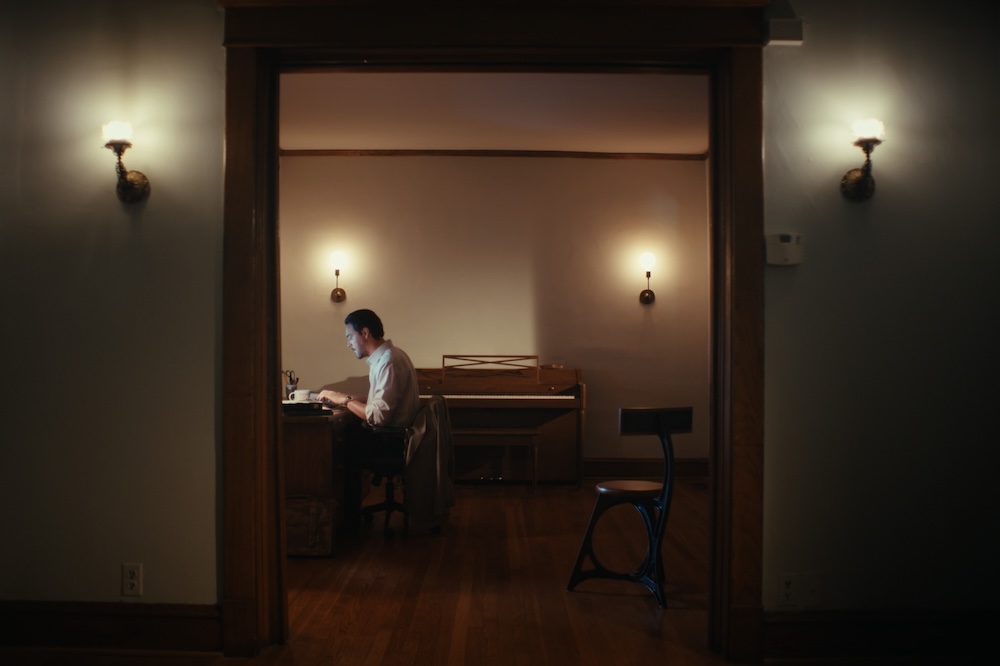
The film, which follows philosophy professor John Jorrinson (Jack Huston), is written in an epistolary style, with Jorrinson's inner thoughts revealed through voiceover. Jorrinson, a burdened man in a room, uses the character to explore fundamental questions about existence and the possibility of change. He questions these same inquiries of his students at a small liberal arts college, but the scenes rarely yield new dramatic layers.
The film's initial intrigue lies in Jorrinson's strained relationship with psychology professor Rebecca Richards (Sofia Boutella), a single mother to a teenage son. Jorrinson frequently excuses his disinterest in her due to his preoccupation with his dying father's health. A mysterious man (Daniel Zovatto) appears at Jorrinson's funeral, whom he partially recognizes and whose stern gaze propels him into a chain of remorseful memories.
"The Basics of Philosophy" delves into themes of absolution and atonement, presenting Schrader's inquiry into the nature of justice and healing. The film offers a robust morality play, with subdued moments feeling explosive, and sexual explorations hinting at psychological depth. However, separating the art from the artist in this case is essential, as Schrader's public questioning of his own sexuality is relevant.
The film serves as a product that was produced despite his accusations, placing Schrader in a position of power during its creation. While Huston's performance as a haunted man aware of his wrongdoing is noteworthy, the film's self-reflexive nature and scrutiny of its own existence may prove uncomfortable for some viewers.
Written by urgent.news from TheWrap's reporting — not their text. Machine-written — may contain errors; check the original before relying on it.
This story
This is one outlet's version. Read the fullest account.
- ‘The Basics Of Philosophy’ Review: Jack Huston Is Tormented By His Past In Paul Schrader’s Introspective Character Study – Venice Film Festival deadline.com
- ‘The Basics of Philosophy’ Review: Paul Schrader’s Guilt-Ridden College Drama Poses Thorny Questions About Its Own Existence thewrap.com
- ‘The Basics of Philosophy’ Review: Paul Schrader Does Some Deep — and Discomfiting — Thinking About a College Professor’s Guilt hollywoodreporter.com
- ‘The Basics of Philosophy’ Review: Paul Schrader’s Lurid Study of a Sexually Abusive Intellectual Is Quietly Explosive, but Not Dangerous Enough indiewire.com