Tesla’s Cybercab Opened Up to Riders — and the Feds Opened an Investigation
The National Highway Traffic Safety Administration is examining whether the self-driving vehicle meets federal safety standards.
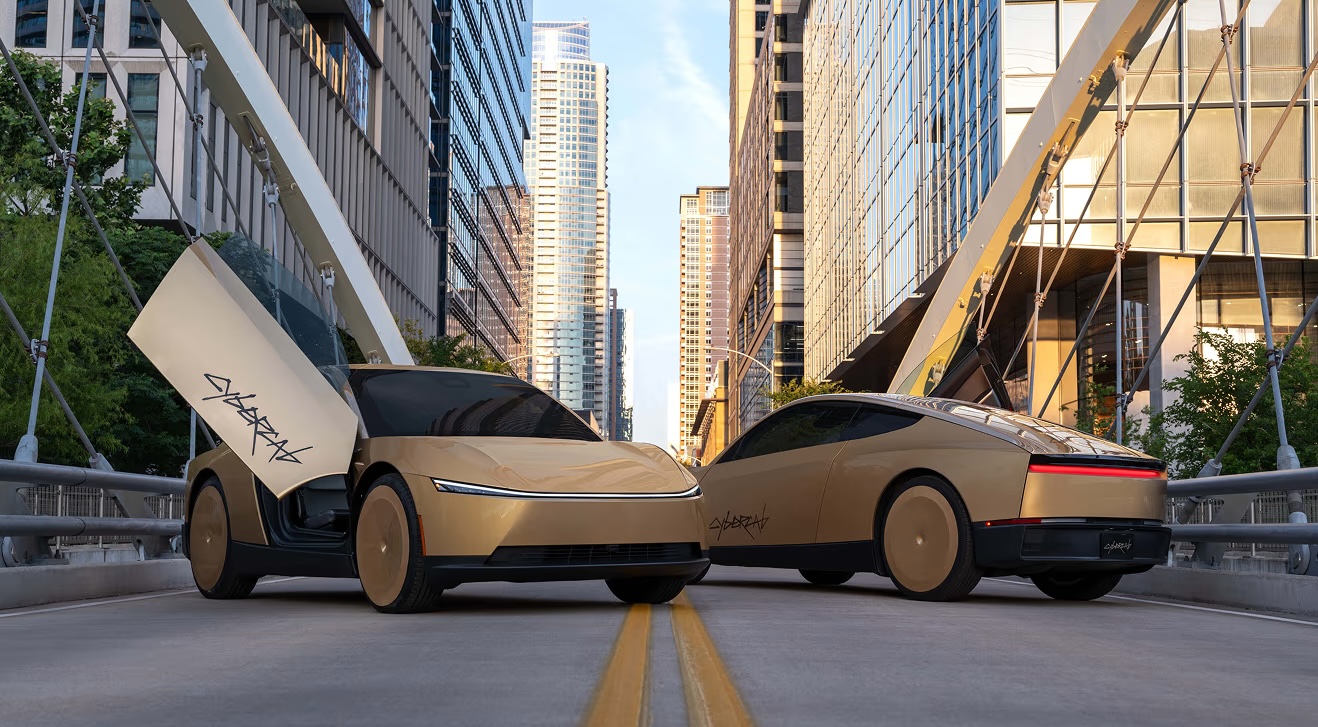
Tesla unveiled its Cybercab robotaxi in Texas on Thursday, only for the National Highway Traffic Safety Administration (NHTSA) to swiftly launch an investigation into the launch. Elon Musk, CEO of Tesla, revealed the Cybercab in October 2024, stating it would enter production "before 2027." However, production began in April 2026, with Musk acknowledging that scaling would occur "very slowly" due to supply chain and validation timelines.
The Cybercab entered a limited commercial launch in Austin last year, with plans to become the primary autonomous vehicle in Tesla's network. Currently, there are 45 Cybercabs operating commercially in Texas. Unlike Waymo's robotaxis, the Cybercab lacks a steering wheel, pedals, or mirrors, which led NHTSA to scrutinize Tesla's self-certification of the vehicle.
NHTSA Administrator Jonathan Morrison affirmed the agency's commitment to both innovation and safety oversight, noting their exploration of removing the requirement for manual controls in autonomous vehicles. Competitors like Zoox have also faced investigations due to similar concerns. Tesla's Cybercab stands out by using cameras for navigation exclusively, which could potentially make riders uncomfortable, especially considering 71% of US adults are uneasy about riding in driverless cars.
Despite this, Musk has suggested that future owners could use the Cybercab to earn passive ride-hailing income, estimating the car would cost "below $30,000." Tesla has even released an interest form for potential Cybercab fleet vehicle purchasers.
Written by urgent.news from CNET's reporting — not their text. Machine-written — may contain errors; check the original before relying on it.