AMD's next-gen RDNA 5 GPUs could hit 3.4GHz, but they're not coming anytime soon
According to a post on the AnandTech Forums by the generally reliable leaker Kepler_L2, internal AMD documentation points to a 3.1 to 3.4 GHz target frequency range for RDNA 5. The comment came in response to another forum member questioning whether the integrated graphics in AMD's next-generation APUs could clock... Read Entire Article
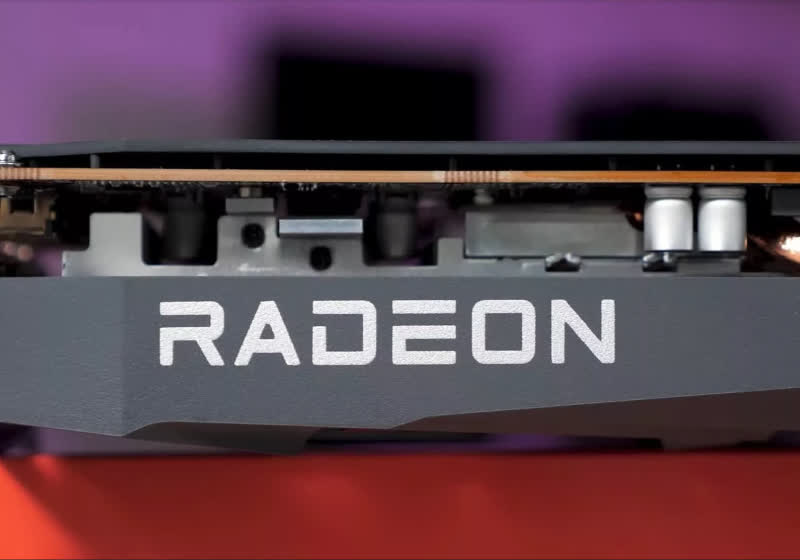
Rumor has it that AMD is developing RDNA 5 graphics architecture, succeeding RDNA 4-based Radeon 9000 series. A reliable source claims that Team Red's upcoming GPUs may feature clock speeds reaching up to 3.4 GHz, approximately 15% faster than RDNA 4's Radeon RX 9070 XT flagship with a 2.97 GHz boost clock. According to internal AMD documentation, the RDNA 5 target frequency could range from 3.1 to 3.4 GHz.
The exact range might apply to specific cards or the entire architecture, as it's expected to power discrete, integrated, and console graphics. Given its anticipated use across various product categories, it's probable that high-end SKUs will surpass 3 GHz, while lower-tier components operate at lower frequencies. The AMD Navi 5X die, rumored to be at the top of the RDNA 5 hierarchy, could feature up to 96 compute units, each with 128 cores, totaling 12,288 cores, and a 384-bit memory bus.
This wider bus, paired with denser VRAM dies, could enable up to 32GB of GDDR7 memory on the flagship card. The mid-tier die is expected to house 40 compute units and 5,120 cores, with a 384-bit memory bus and as much as 24GB of memory. The low-tier die is said to have 24 compute units (3,072 cores), a 256-bit to 128-bit memory bus, and 8 to 16GB of VRAM.
The entry-level die is rumored to have 12 compute units (1,536 cores), a 64-bit memory bus, and between 8 and 16GB of VRAM. While these leaks could signify a significant leap over RDNA 4's 64 cores per compute unit, AMD might still adjust the RDNA 5 lineup due to persistent memory price increases. The company is now slated to reveal RDNA 5 in late 2027 or early 2028, but board partners had initially predicted a mid-2027 announcement, which has been delayed due to the memory crunch.
Nvidia was also anticipated to release its Rubin-based gaming GPUs around the same time, but the company has remained silent on that front for months.
Written by urgent.news from TechSpot's reporting — not their text. Machine-written — may contain errors; check the original before relying on it.