South Korea’s ‘sea women’ seek justice after marine habitat devastated by harbor work
GUMAN-RI, South Korea — This fishing village, on the eastern coast of the Korean Peninsula, is filled with scars. Every summer, typhoons rumble in from the Pacific Ocean to snap trees and flip fishing boats. Huge ships, including a 4,000-ton cargo vessel in 2005, have sunk or run aground on the rocky coast, sullying marine […]
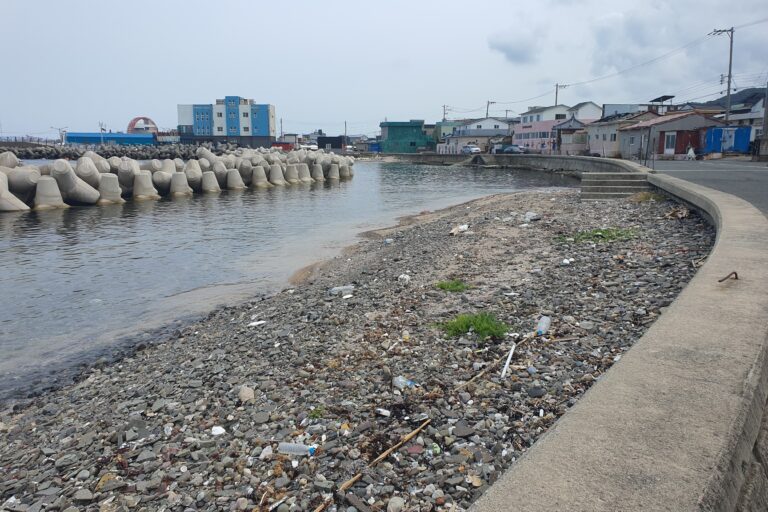
Guman-ri, a fishing village on South Korea's eastern coast, bears visible scars. Typhoons from the Pacific Ocean regularly cause destruction, while large ships have sunk or grounded on the rocky shore, poisoning marine life. The 1950-1953 Korean War also claimed many lives. However, the residents of Guman-ri have always managed to persevere.
Yet, the latest blow has left them utterly bewildered. In 2021, South Korean construction firm Ssangyong Engineering & Construction Co. began expanding and repairing the harbor's breakwaters, which has since led to the deterioration of the surrounding marine environment. As of early 2025, the once-thriving seabed had transformed into a desolate graveyard of dead marine plants and animals, despite being a designated protected area.
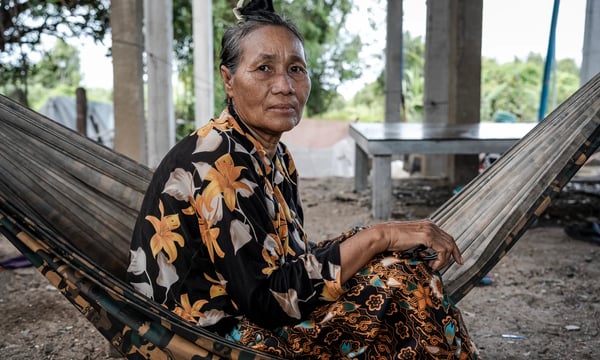
Gone are the vibrant abalones, sea snails, and seaweed that once thrived, replaced by cement debris blamed on the breakwater construction. This environmental tragedy has also dealt a devastating financial and emotional toll on the village's nearly two dozen haenyeo, or "sea women," who harvest shellfish and marine plants through diving.
Written by urgent.news from Mongabay's reporting — not their text. Machine-written — may contain errors; check the original before relying on it.