Seat: from the 600, which democratized mobility in Spain, to the first 100% Spanish electric car
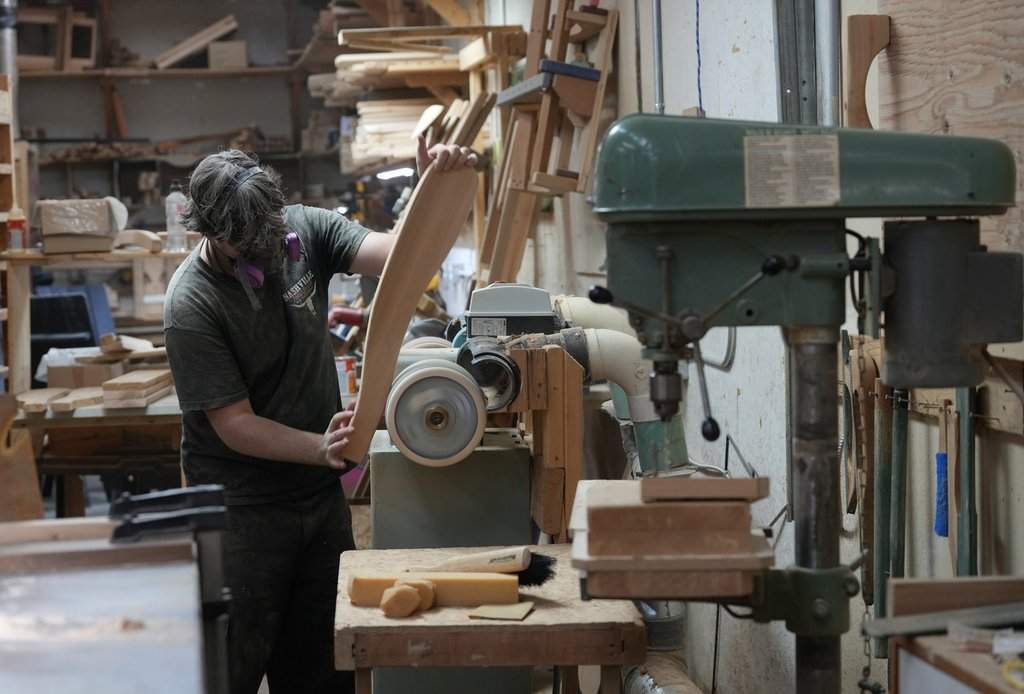
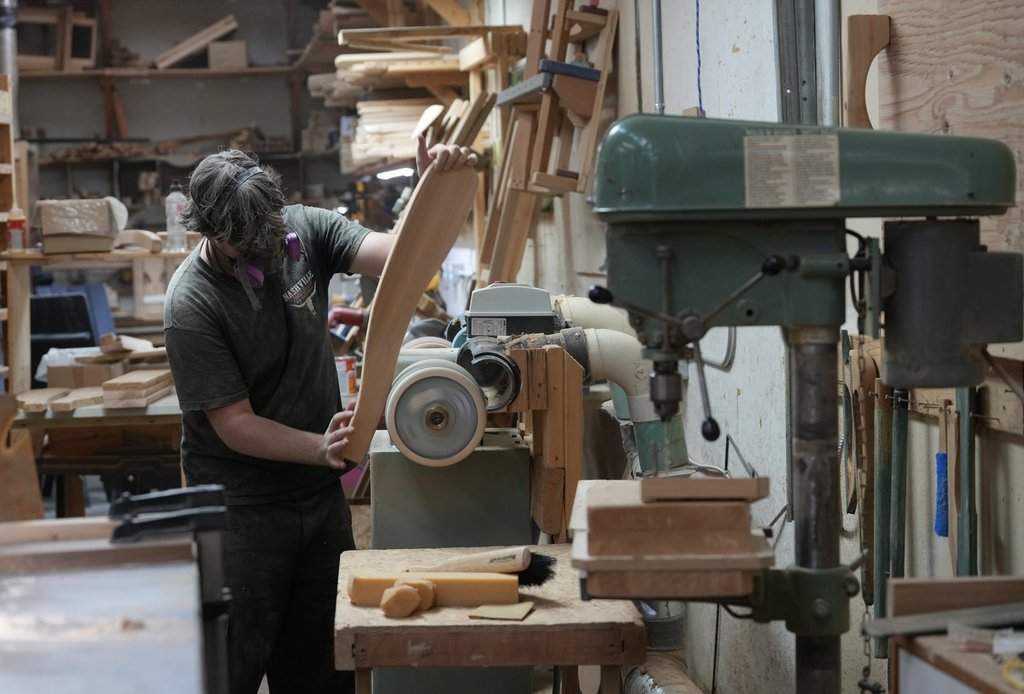
The historic company that could disappear from dealerships in the coming years is living history in Spain. The brand's great automotive heritage is kept in Warehouse A-122 in the Barcelona Free Zone, where the valuable collection of Historical Seats is cared for and preserved.
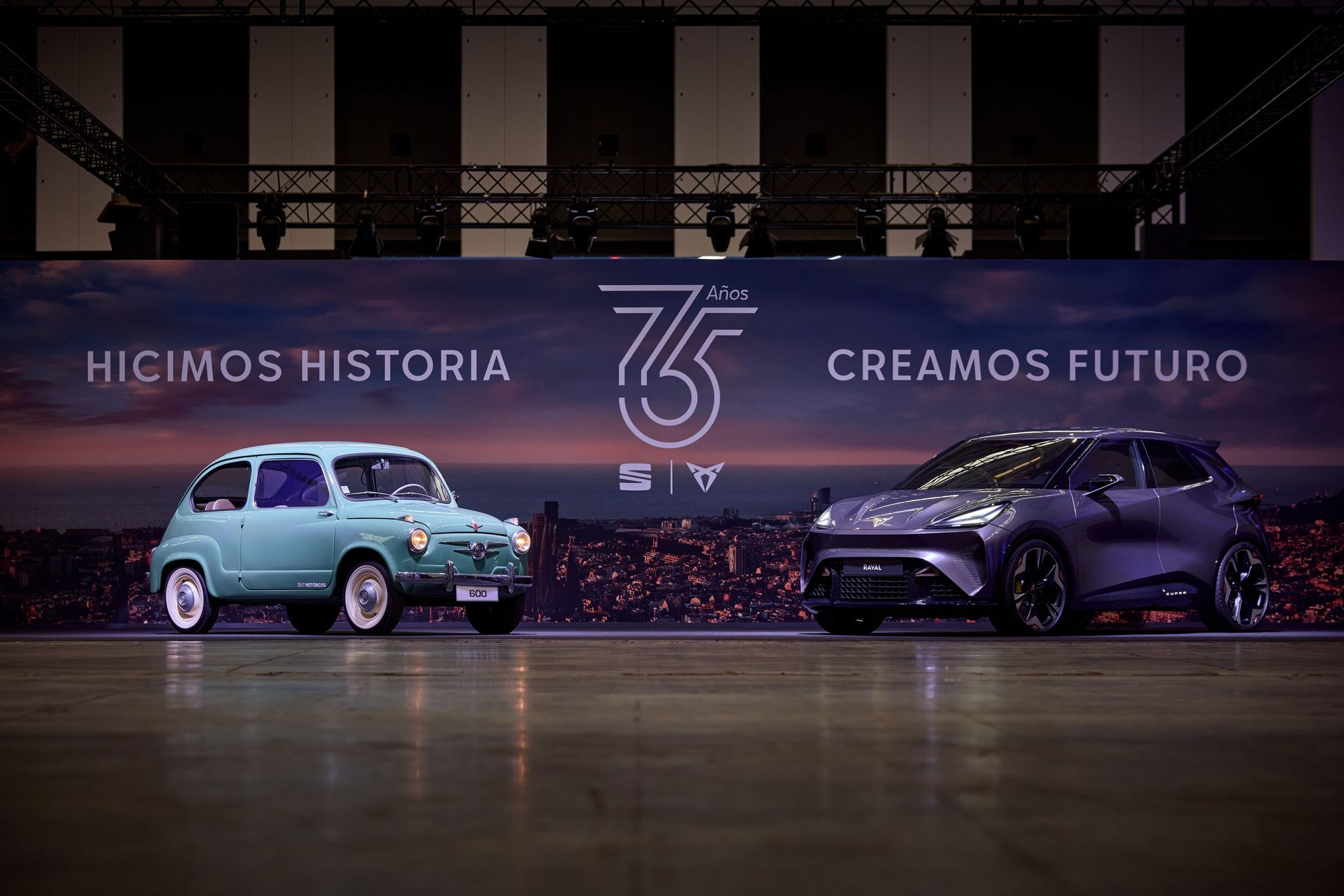
Seat, a historic Spanish car brand, may disappear from dealerships in the coming years as it transforms into Cupra, a more profitable and internationally-focused brand. The company's 76-year history is preserved in the Nave A-122 in Barcelona's Zona Franca, where a collection of 241 historic Seat models is on display. The collection, curated by Seat Históricos, features iconic models such as the Seat 600, which democratized mobility in Spain, and the Papamóvil, a Seat Panda converted into a popemobile for Pope John Paul II's 1982 visit to Spain.
The Nave A-122 has recently been expanded to accommodate 57 new vehicles, showcasing the brand's heritage and technological advancements.
Written by urgent.news from Expansion ES's report — not a translation of it. Machine-written — may contain errors; check the original before relying on it.