Medieval manuscripts are "biological time capsules" for deadly sheeppox virus
Other archives and libraries around the world may also contain genetic traces of past disease outbreaks.
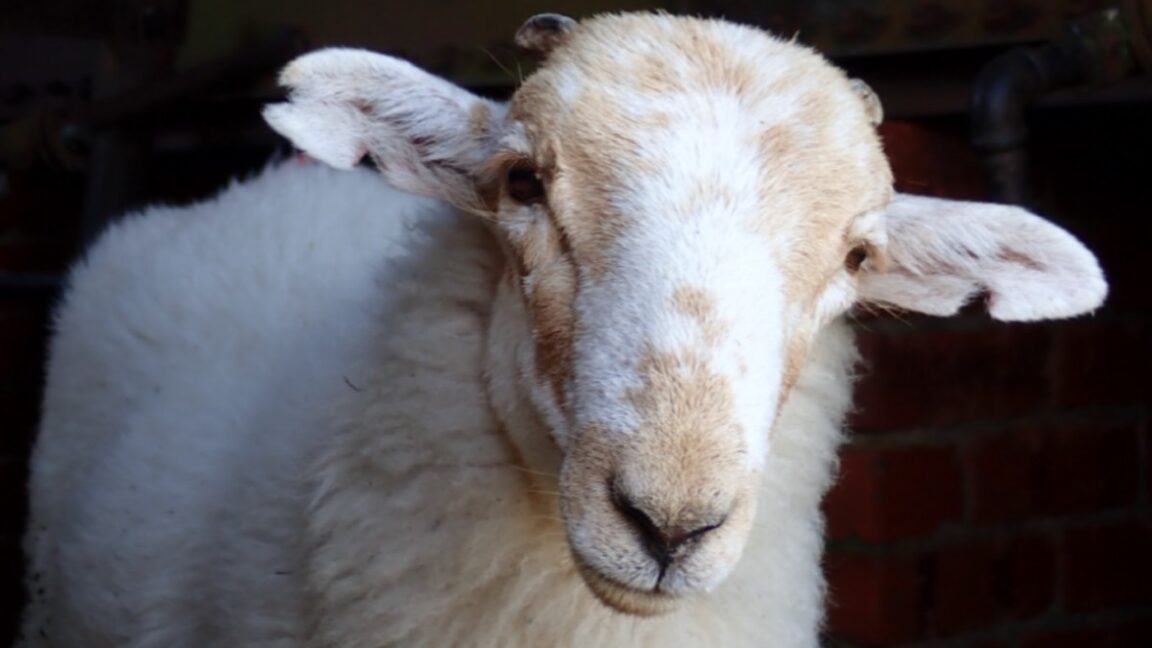
Medieval manuscripts are providing scientists with a unique glimpse into the past, acting as biological time capsules for the deadly sheeppox virus. This highly contagious and often fatal viral disease, once widespread among European livestock, has seen occasional regional outbreaks in recent history, such as a recent incident in Greece.
To understand the virus's evolution over the past 3,500 years, researchers extracted and sequenced sheeppox DNA preserved in the animal skins used for parchment in numerous medieval manuscripts. Their findings, published in the journal Science Advances, reveal that parchment can preserve animal pathogen DNA, suggesting that archives and libraries worldwide may contain genetic traces of past animal disease outbreaks.
Co-author Louis L’Hôte, a graduate student at University College Dublin, explains that these genomes help researchers comprehend how these pathogens evolved and impacted past societies, including sheeppox virus's presence in Eurasian sheep herds for at least three and a half millennia. The earliest written evidence of sheeppox infection dates back to the first century CE, with Roman accounts describing skin lesion outbreaks in animals.
More frequent mentions of deadly outbreaks, such as those caused by pockes or variola, appeared in Middle Ages agricultural texts and accounting documents in France, Spain, and England. While there was a decline in outbreaks in 17th-century France, they re-emerged frequently in the 18th and 19th centuries, often causing high mortality rates in flocks. Great Britain experienced its first sheeppox resurgence in 1847.
Written by urgent.news from Ars Technica Science's reporting — not their text. Machine-written — may contain errors; check the original before relying on it.
This story
This is one outlet's version. Read the fullest account.