IVF clinic’s embryo specimen mix-up linked to ‘intentional unlawful conduct’
A mix-up of embryo biopsy specimens may have been caused by “intentional unlawful conduct” at a private fertility clinic, which breached the code of practice for reproductive technology by lacking sufficient protective measures, a Hong Kong regulator has found. The Council on Human Reproductive Technology said on Friday that, following an investigation into the incident, it had ordered service…
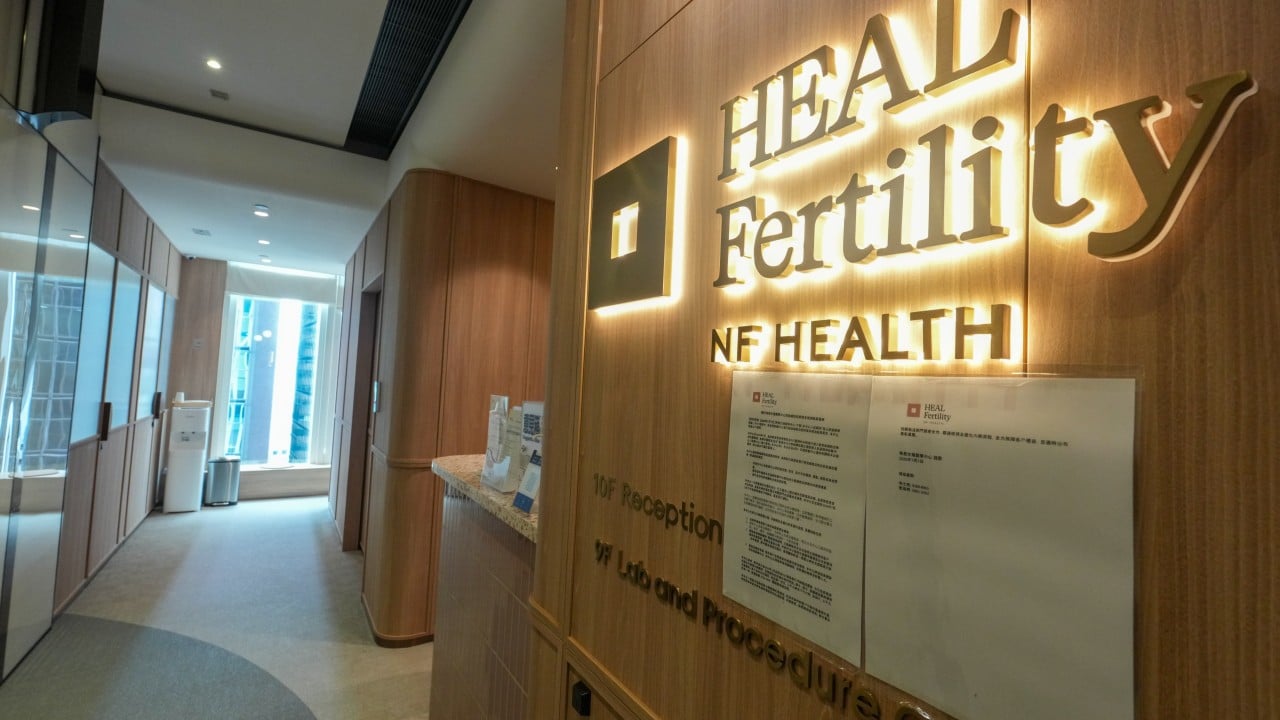
A mix-up of embryo biopsy specimens at a private fertility clinic in Hong Kong may have been caused by "intentional unlawful conduct," according to findings from the Council on Human Reproductive Technology. The clinic, Heal Fertility, was found to have breached the code of practice for reproductive technology by lacking sufficient protective measures.
The council ordered the clinic to comply with relevant ordinances and codes to prevent any recurrence of similar incidents. They confirmed that no embryos were mixed up or wrongly implanted into the human body. However, the clinic's license is under review. The council's chairman, Professor Raymond Liang Hin-suen, stated that the Department of Health had filed a police report.
Police interviewed a Malaysian employee responsible for extracting the specimens, who later left Hong Kong and resigned. Heal Fertility apologized to affected clients and submitted an internal investigation report to health authorities. The council noted that the clinic did not report the incident within the required time frame.
While Heal Fertility has implemented improvement measures, the council's assessment of the clinic's response remains cautious. They outlined improvement requirements and will issue a formal letter before making a licensing decision, during which Heal Fertility may only provide three specific services. The council also plans to review the code of practice, with completion targeted for the following year, focusing on enhancing incident reporting mechanisms and optimizing security and handling procedures for biological samples.
Written by urgent.news from South China Morning Post's reporting — not their text. Machine-written — may contain errors; check the original before relying on it.
This story
This is one outlet's version. Read the fullest account.