How Volkswagen's huge workforce became a costly burden
The struggling German carmaker plans to cut up to 100,000 jobs from its 630,000-strong workforce. How did VW's headcount get so bloated, and will the cuts be enough to survive the Chinese EV onslaught?
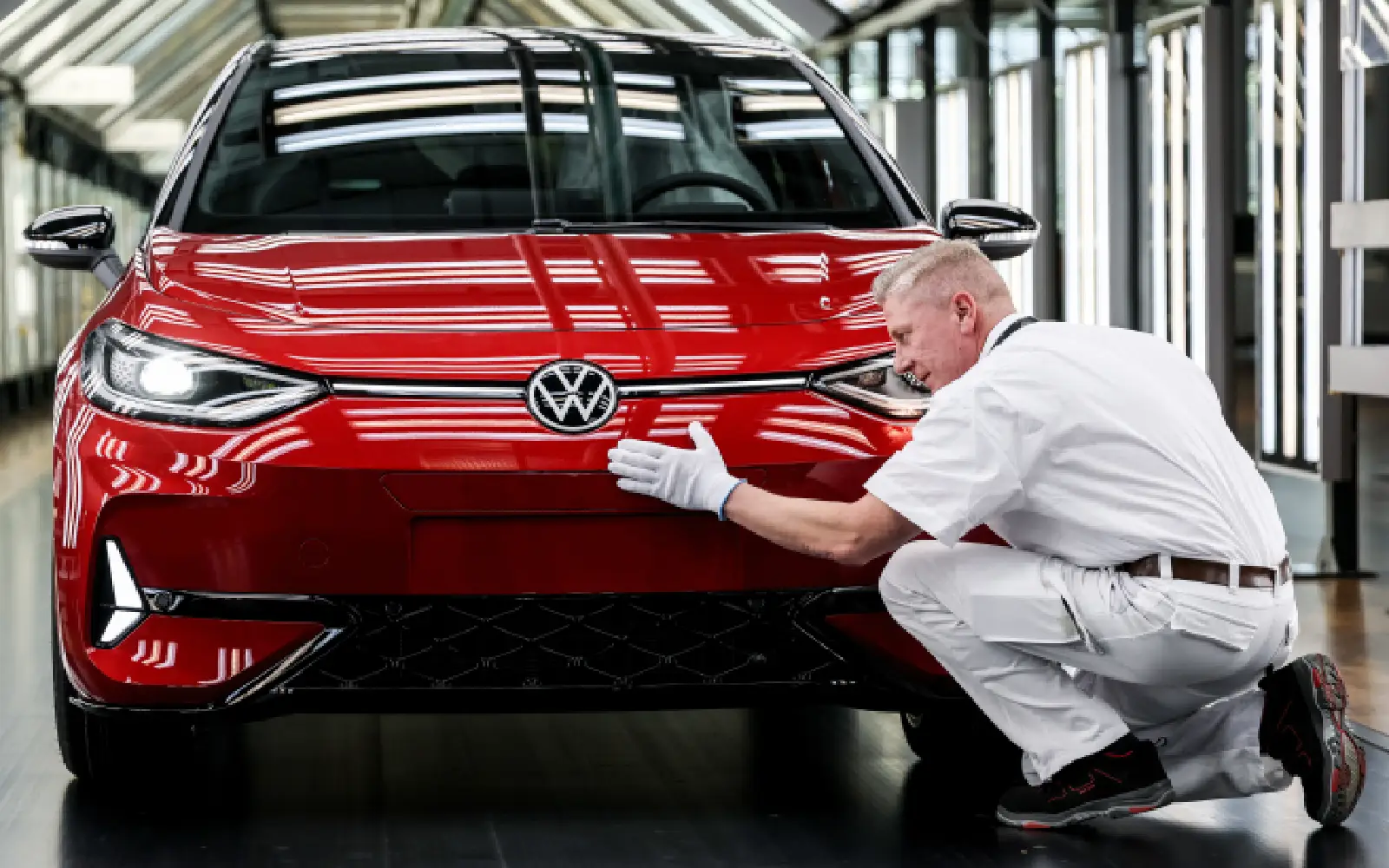
Volkswagen's massive workforce, nearly 630,000 employees, has once been a symbol of German industrial power and the company's profits. However, this extensive labor force has now become a significant burden, forcing the company to make difficult job cuts to stay competitive against agile Chinese rivals. Following last year's job reductions due to dwindling profits, Volkswagen is now set to eliminate an additional 50,000 positions worldwide, including tens of thousands in Germany.
The supervisory board endorsed this proposal on September 2. Additionally, the company intends to shut down four German factories, though this decision has not been officially implemented.
This workforce expansion stems from Volkswagen's historic strategic choices, such as controlling production stages internally, leading to higher labor demands and costs. Analyst Meghan Ostertag explains that the company's internal manufacturing of components and software has increased labor needs, thus labor expenses, particularly in Germany, where factory costs can be twice as high as competitors'.
Furthermore, Volkswagen's aggressive acquisition strategy over the years, incorporating brands like Skoda, Porsche, SEAT, and Bugatti, has resulted in complexity in managing diverse supply chains and designs.
While Volkswagen managed to navigate the 2015 Dieselgate scandal without lasting financial damage, the company has struggled to adapt to electric vehicles (EVs), leaving it behind Chinese EV makers in technological advancements. Moreover, VW's delayed shift to EV production has negatively impacted its sales in China, Europe, and other markets.
The company's lag in automation and reliance on a costly workforce, union negotiations, and shareholder influence have also contributed to its workforce challenges, as highlighted by analyst Matthias Schmidt. In response, the German government is providing subsidies and loans for domestic EV battery plants, and the EU is advancing policies to boost competitiveness against China.
Written by urgent.news from DW Business's reporting — not their text. Machine-written — may contain errors; check the original before relying on it.
This story
This is one outlet's version. Read the fullest account.
- How Volkswagen's huge workforce became a costly burden dw.com
- Volkswagen to fire 12% of its India workforce economictimes.indiatimes.com