How the Father Amir gave Qatar a global voice
Between 1995 and 2013, Qatar emerged as an influential diplomatic, economic and strategic actor under the leadership of HH the late Father Amir Sheikh Hamad bin Khalifa al-Thani.The defining feature o...
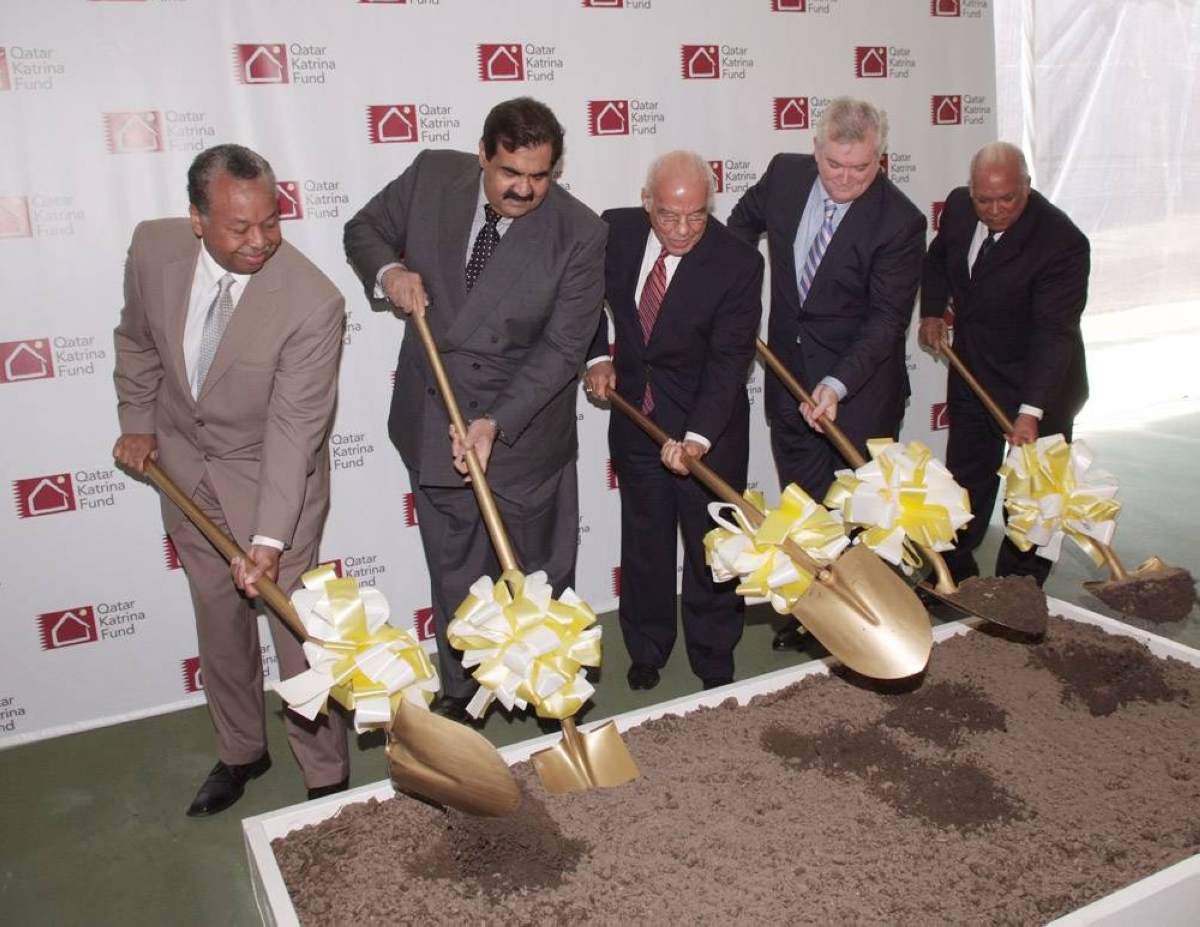
From 1995 to 2013, Qatar emerged as a significant diplomatic, economic, and strategic player under the rule of HH the late Father Amir Sheikh Hamad bin Khalifa al-Thani. The cornerstone of this transformation was an independent foreign policy that relied on varied international partnerships, mediation in regional conflicts, close security cooperation with major powers, robust relations with Arab and Islamic nations, and expanding ties with Europe and Asia.
Doha also utilized its growing economic resources to support its diplomatic goals. This strategy was bolstered by the expansion of Qatar's natural-gas industry, which provided the economic foundation for its international approach. With the North Field's development and the rapid growth of liquefied natural gas exports, Qatar amassed the resources needed to invest internationally, enhance its diplomatic presence, and provide aid for development, reconstruction, and humanitarian efforts.
Qatar's rising economic influence also made governments worldwide more inclined to cultivate relationships with Doha. Simultaneously, the nation established influence mechanisms that extended far beyond traditional diplomacy. The creation of Al Jazeera in 1996 granted Qatar an unparalleled media presence in the Arab world. This network quickly became one of the region's most influential sources of news and political discourse, significantly amplifying Qatar's global visibility.
This blend of energy resources, international investment, media influence, humanitarian involvement, and active diplomacy culminated in what became known as Qatar's soft-power model. Mediation as statecraft Under Father Amir's leadership, peaceful mediation became a central pillar of Qatari foreign policy. Doha provided a secure forum for negotiations, maintained communication with conflicting parties, and utilized its political and financial assets to sustain dialogue.
Qatar's ability to engage with actors across ideological and geopolitical divides frequently allowed it to reach out to parties that other governments found inaccessible or unwilling to approach directly. Throughout the 2000s, Qatar engaged in mediation efforts concerning Palestinian factions, Yemen, Lebanon, Sudan, Chad, Darfur, and the border dispute between Djibouti and Eritrea.
It also began facilitating talks involving Afghan parties by 2013. The Lebanese crisis of 2008 stands as one of the most illustrative examples of this burgeoning diplomatic role. After months of political conflict that culminated in armed clashes, Lebanon's rival factions journeyed to Doha for negotiations. In just six days of intense Arab and Qatari mediation, the Doha Agreement was reached on May 21, 2008.
This accord led to the election of Michel Suleiman as president, the formation of a national unity government, and consensus on elements of a new electoral framework, effectively averting a potential relapse into civil war. The United Nations acknowledged the substantial contributions of then Prime Minister, Foreign Minister, and Father Amir Sheikh Hamad bin Jassim bin Jabr al-Thani, as well as Arab League Secretary-General Amr Moussa, in facilitating the Lebanese parties' agreement.
This accomplishment underscored that Qatar could transform access, persistence, and political credibility into tangible diplomatic outcomes. Darfur marked another notable chapter in the evolution of Qatar's international standing. In September 2008, the Arab League entrusted Qatar with the task of mediating peace talks between the Sudanese government and Darfur's armed movements.
Doha subsequently hosted negotiations that spanned more than two years and involved the African Union, the United Nations, and other international stakeholders. The outcome was the Doha Document for Peace in Darfur in July 2011, which addressed issues related to power and wealth sharing, human rights, justice and reconciliation, compensation, and the return of displaced people.
While the document did not bring every armed group to the negotiating table or fully end all violence in Darfur, it established a crucial framework for addressing the conflict and its aftermath. The United Nations publicly recognized Qatar's diplomatic, political, and material contributions to the process, with then UN Secretary-General Ban Ki-moon lauding the country's role under Father Amir's leadership.
A carefully calibrated balance Qatar's relationship with the United States also underwent considerable development during Father Amir's reign. Although a defense cooperation agreement was signed between the two nations in 1992, security cooperation expanded substantially under his leadership. Qatar invested heavily in developing Al Udeid Air Base, which became a crucial hub for US military operations in the region.
This partnership gradually evolved into a broader strategic relationship and became an integral part of Qatar's national security framework. Nonetheless, Qatar maintained an independent stance towards other regional actors, preserving communication channels with Iran, staying in touch with Palestinian groups, and nurturing ties with European and Asian powers.
This balancing act enabled Doha to converse with parties that often refrained from direct contact with one another. Rather than defining its partnerships in strictly ideological terms, Qatar sought to maintain sufficient access to opposing political factions to remain relevant during periods of crisis. Relations with European nations, particularly France and the United Kingdom, also expanded.
French companies increased their involvement in Qatar's economy, strengthening economic ties between the two regions.
Written by urgent.news from Gulf Times's reporting — not their text. Machine-written — may contain errors; check the original before relying on it.