How El Nino-driven drought is squeezing the Panama Canal and putting global supply chains at risk
PANAMA CITY, Sept 4 — The Panama Canal will restrict the number of vessels transiting the crucial waterway f...
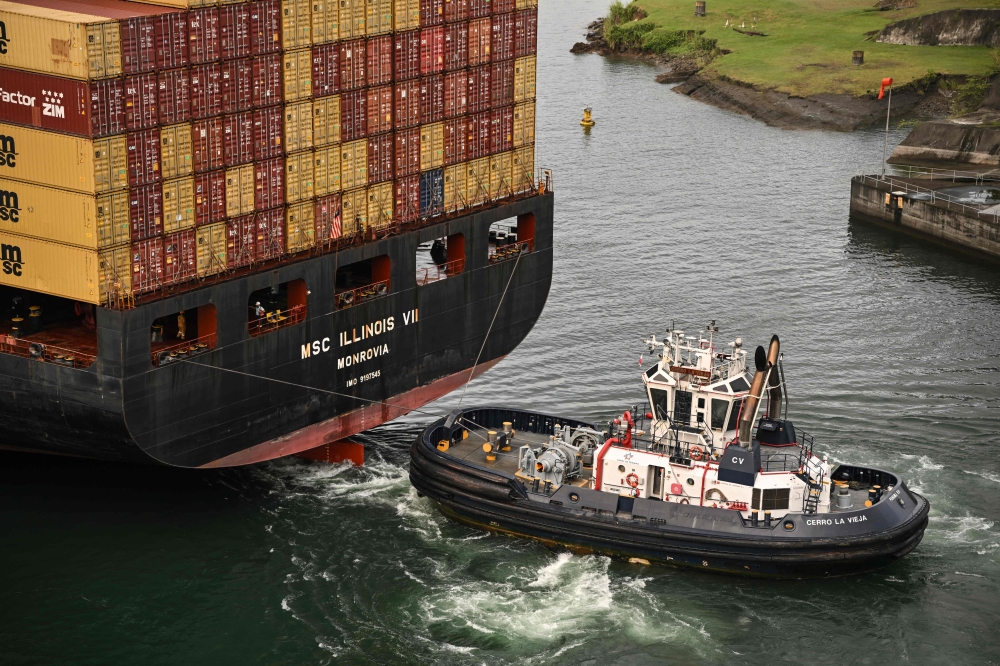
Panama City, September 4 — The Panama Canal will limit the number of ships passing through for the second time as drought from the El Nino climate event depletes freshwater reserves, crucial for the waterway's locks and operations. Roughly five percent of global trade, totaling 80 kilometers (50 miles) of waterway, relies on the canal to connect the Pacific and Atlantic Oceans.
Daily traffic will drop from 36 to 32 vessels as water levels fall, and maximum ship draft will be reduced from 15.24 to 14.63 meters. Panama has declared a state of emergency due to the prolonged El Nino event, which impacts global winds and rainfall patterns. The water management challenge stems from the canal relying on rainwater stored in artificial lakes; without sufficient water, lock mechanisms break down.
Each vessel uses about 200 million liters of water, which is then released into the ocean. The shortfall in rainfall between April and August was 35.8 percent lower than the historical average, leaving little prospect of recovery in the near future. In previous El Nino years, restrictions have caused a 20 percent decrease in ship numbers and a 17 percent reduction in cargo tonnage.
If the reservoirs remain insufficient by November, additional measures may be necessary, cautioned former canal administrator Jorge Quijano. Higher shipping costs and longer waiting times could ripple through global supply chains, leading to increased consumer prices. Major shipping companies like Maersk deem the situation still uncertain, but warn that potential price rises may affect US trade.
The US-Israel conflict in Iran has driven increased shipping through the canal, exacerbating water shortages and placing pressure on global trade routes. Construction of a new 4,600-hectare reservoir to mitigate future drought impacts is planned but won't be operational until 2031.
Written by urgent.news from Malay Mail's reporting — not their text. Machine-written — may contain errors; check the original before relying on it.
Also reported by 5 other outlets
- Panama Canal begins reducing crossings due to El Nino thejakartapost.com
- Panama Canal begins reducing crossings due to El Nino nst.com.my
- Panama Canal begins reducing crossings due to El Nino freemalaysiatoday.com
- Panama Canal begins reducing crossings due to El Nino channelnewsasia.com
- Panama Canal begins reducing crossings due to El Niño rte.ie