How did the infant sun form? Scientists get surprising new insights from 4.6-billion-year-old space dust
New research suggests that dust from meteorites contains a "fossil record" dating back 4.6 billion years to the formation of the sun, revealing the role magnetism played in the birth of the solar system.
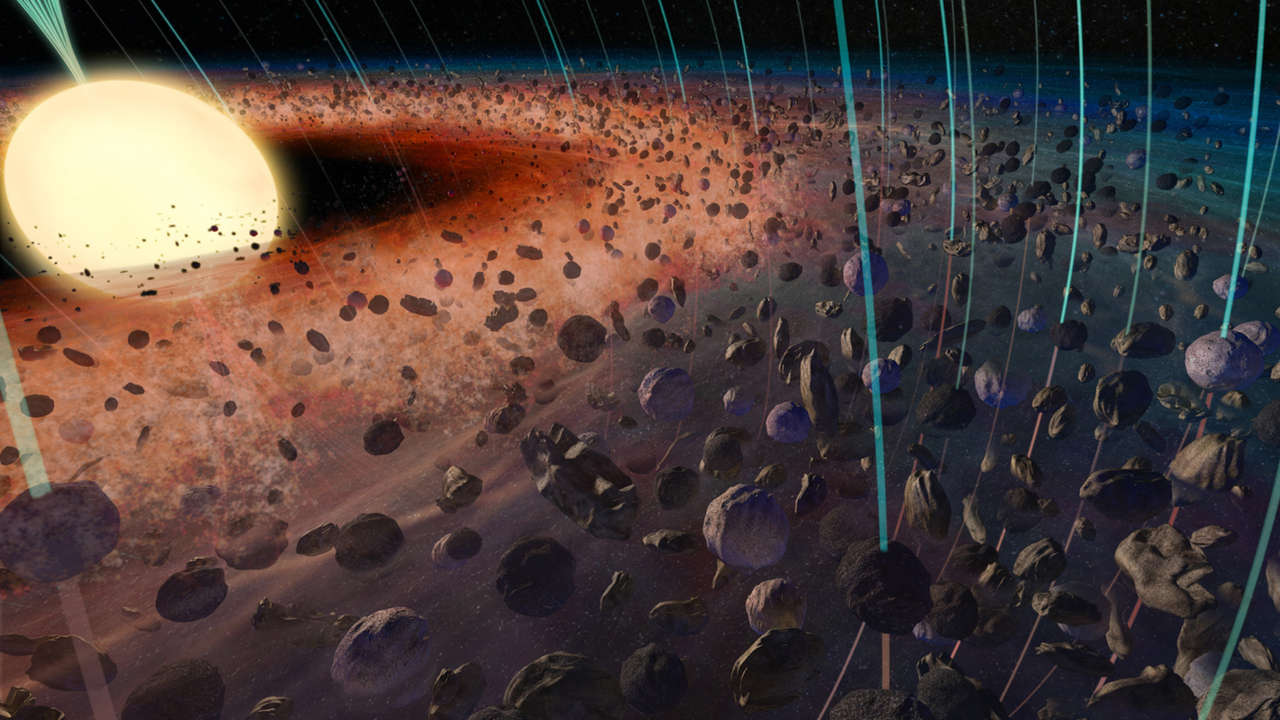
The formation of the infant sun has yielded surprising new insights into the role of magnetism. Scientists have discovered that the early solar system, a swirling cloud of gas and dust called a solar nebula, was shaped not only by gravity but also by magnetism. This groundbreaking research, conducted on meteorite DOM 08006, suggests that magnetism played a crucial role in the formation of the solar system, even before planets emerged.
The study, published in the journal Proceedings of the National Academy of Sciences, analyzed grains of calcium-aluminum-rich inclusions (CAIs) found within the meteorite. These CAIs, believed to be the oldest materials from the solar system's formation, showed signs of a magnetic field 12 times stronger than Earth's. This magnetic field, which scientists now believe was present during the solar nebula phase, likely influenced the flattening of the cloud that eventually became the solar system.
The discovery challenges previous theories that solely attributed the shaping of the solar system to gravity, emphasizing the importance of magnetism in the early stages of planetary formation.
Written by urgent.news from Space.com's reporting — not their text. Machine-written — may contain errors; check the original before relying on it.