How a Secret Orangutan Breeding Program Is Creating a Baby Boom
The success of a program linking zoos across the US has created social media stars and generated a wave of interest in how to protect the endangered great apes in the wild.
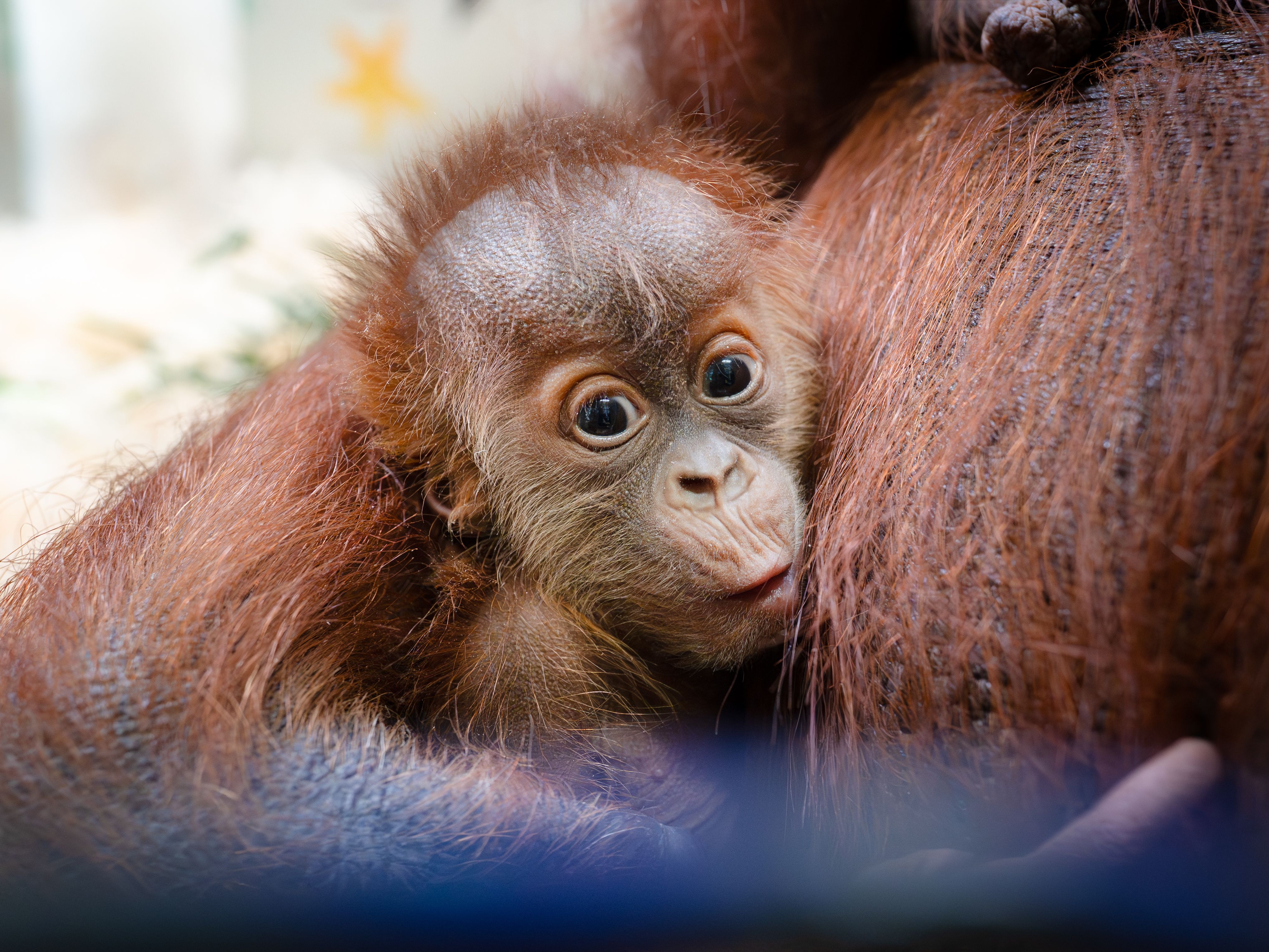
The birth of eight orangutan babies in US zoos since early 2025 has sparked a significant surge in conservation efforts for these critically endangered primates. This baby boom is the result of a carefully planned breeding program and decades of research aimed at preserving a sustainable population. Angie Selzer, senior animal care specialist and Orangutan Species Survival Plan (SSP) program coordinator, explains that the SSP coordinates breeding recommendations every two years, taking into account genetic diversity, personality traits, and group dynamics to ensure successful mother-rearing.
The program started in February 2025 when Edi, a baby boy, was born at the Indianapolis Zoo, followed by Weila at Hogle Zoo in Utah, Bintang at the Los Angeles Zoo, and Ruhana at the Memphis Zoo. The latest additions include baby girls at the Cameron Park Zoo in Texas, Sedgwick County Zoo in Kansas, Fort Wayne Zoo in Indiana, and baby boy Rambutan at the Denver Zoo.
These human-like conditions, such as routine use of human birth control and prenatal vitamins, have been instrumental in achieving successful pregnancies and births. Maternal training is also a crucial aspect of the program, especially for first-time mothers. For instance, Sumatran orangutan Hesty was taught to pass her baby to keepers for health checks and nursing.
While C-sections are rare, some zoos keep on-call obstetricians for their primates. The program's ultimate goal is to maintain a healthy and sustainable orangutan population while also providing valuable insights for the care of wild and rehabilitated orangutans. With fewer than 100,000 Bornean orangutans and 11,000 Sumatran orangutans left in the wild, the conservation efforts are vital.
The new babies serve as ambassadors in zoos, helping visitors understand the importance of protecting orangutans and their rainforest habitat, which is threatened by deforestation and palm oil plantations.
Written by urgent.news from Wired Science's reporting — not their text. Machine-written — may contain errors; check the original before relying on it.
This story
This is one outlet's version. Read the fullest account.