How a Secret Orangutan Breeding Program Is Creating a Baby Boom
The success of a program linking zoos across the US has created social media stars and generated a wave of interest in how to protect the endangered great apes in the wild.
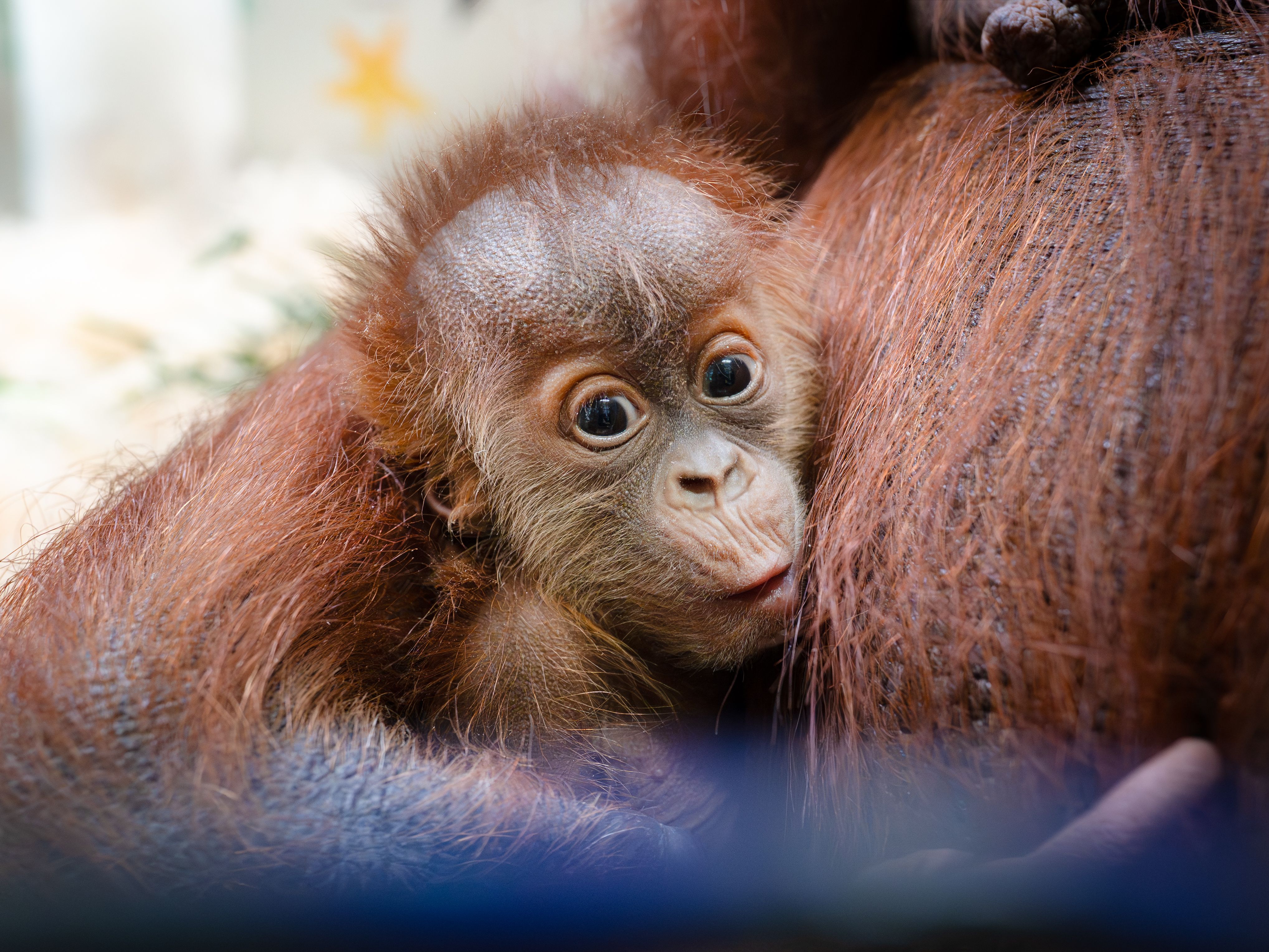
Just outside the delivery room, the staff erupted in cheers as Joseph Dewane, an obstetrician, delivered a healthy baby orangutan via C-section. This was not an ordinary birth; the newborn was Autumn Joi Goodwin-Samson, affectionately named "Autumn Joi Goodwin-Samson." She was just one of eight orangutan infants born in US zoos since the start of 2025, marking a significant milestone for the critically endangered species.
This baby boom is not random but the result of a carefully planned breeding program and years of research to create a conservation safety net. Angie Selzer, a senior animal care specialist at the Fort Wayne Zoo and the Orangutan Species Survival Plan (SSP) program coordinator, emphasizes that the SSP has been coordinating breeding recommendations since 1985.
Geneticists and zoo staff consult a "studbook," cataloging the pedigree of all animals in their system, to recommend pairings that maintain a healthy and sustainable population while ensuring successful mother-rearing. The SSP aims to mimic the natural history of wild orangutans while avoiding closely related breeding pairs. The first baby, Edi, was born in February 2025 at the Indianapolis Zoo, followed by Weila in June at the Hogle Zoo in Utah, Bintang in December at the Los Angeles Zoo, and most recently, Ruhana in December at the Memphis Zoo.
Other zoos, including the Cameron Park Zoo in Texas, Sedgwick County Zoo in Kansas, and the Fort Wayne Zoo in Indiana, have also welcomed orangutan offspring. While C-sections are rare, some zoos maintain obstetricians on call for their orangutans and other primates. Human birth control and prenatal vitamins are administered to orangutans in the program, and they have learned to use human pregnancy tests and have the longest childhood among mammals.
Maternal behaviors are learned through training, which is crucial for the health of orangutan babies, especially in cases where the biological mother has struggled. Acara, a Sumatran orangutan at the Hogle Zoo, serves as a model parent, fostering Weila and adopting some of Acara's mannerisms. The new orangutan babies are not released into the wild but serve as ambassadors for conservation, helping visitors understand the importance of protecting their habitats and addressing threats such as deforestation and poaching.
Written by urgent.news from Wired's reporting — not their text. Machine-written — may contain errors; check the original before relying on it.