From typewriters to podcasts: the decades that changed the reporter’s worklife, quality of output
From typewriters and landlines to pagers, email and smartphones, technology has transformed the way journalism is practised. Reporting has become faster and more immediate, but the old rhythms of journalism have faded. As news moves at the speed of a message, reporters have lost time once spent building relationships, having conversations and discovering stories beyond the official version
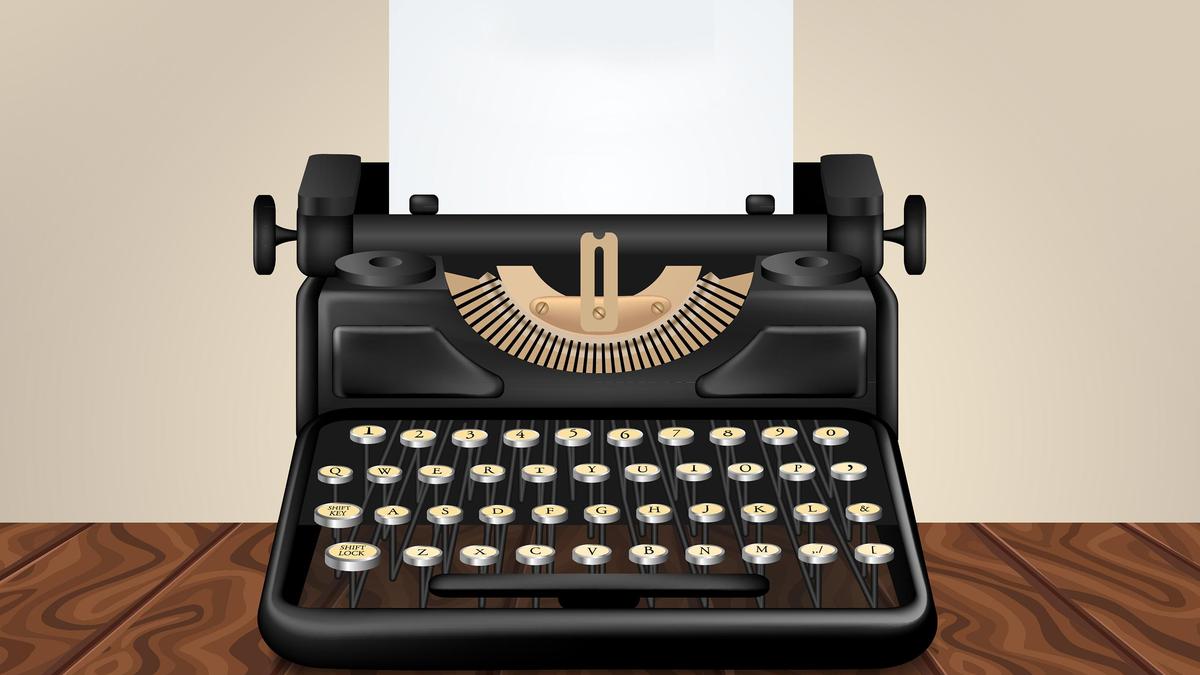
Reporting began with reporters physically attending events, listening to speakers, and observing surroundings. Conversations before and after meetings often yielded valuable information. Newsrooms operated at a slower pace, with typewriters creating physical copies that were corrected manually. Early word-processing systems revolutionized reporting by allowing direct computer writing and easy corrections.
English-language reporters benefited from these technological advancements, while vernacular reporters continued using more traditional methods.
A lone landline telephone was the primary communication tool, with reporters taking scheduled slots to use it. Fax machines brought another change, delivering press notes from various locations. The pager, a primitive device compared to today's smartphones, marked an important shift by allowing reporters to receive information outside the office. The mobile phone further transformed journalism, blurring the lines between work hours and enabling 24-hour reporting.
Emails provided instant access to large volumes of information, which could be stored, searched, and retrieved. The smartphone became the ultimate tool, enabling reporters to access documents, make calls, record interviews, take photos, fact-check, and file stories from a single device. However, this convenience came with a paradox – longer working hours, as reporters filed stories during various activities, blurring the line between work and personal life.
News consumption shifted as well, with news now being consumed on the go. Reporters were expected to anticipate, react, update, and explain news almost immediately. The role expanded beyond writing stories, with journalists increasingly expected to create visual content and podcasts. While technology offered many advantages, it also led to a loss of traditional reporting methods, such as casual conversations over tea and snacks, and the reliance on landlines, fax machines, and pagers.
The transition from typewriters to smartphones marked a significant evolution in the reporter's work life, but something was lost along the way – the time spent building relationships that added depth to reporting.
Written by urgent.news from The Hindu's reporting — not their text. Machine-written — may contain errors; check the original before relying on it.