From grove to global markets, Palestinian olive oil's increasingly difficult journey
Once a year, Ali Ghanim descends on his family’s olive grove in the occupied West Bank village of Sarra for the annual olive oil harvest. Passed down through generations, the olive oil trade is as much a symbol of heritage as it is a livelihood for Ghanim, who shares ownership of the farm with his brothers. “It’s a tradition for the whole village, young and old, to help pick the olives each year…
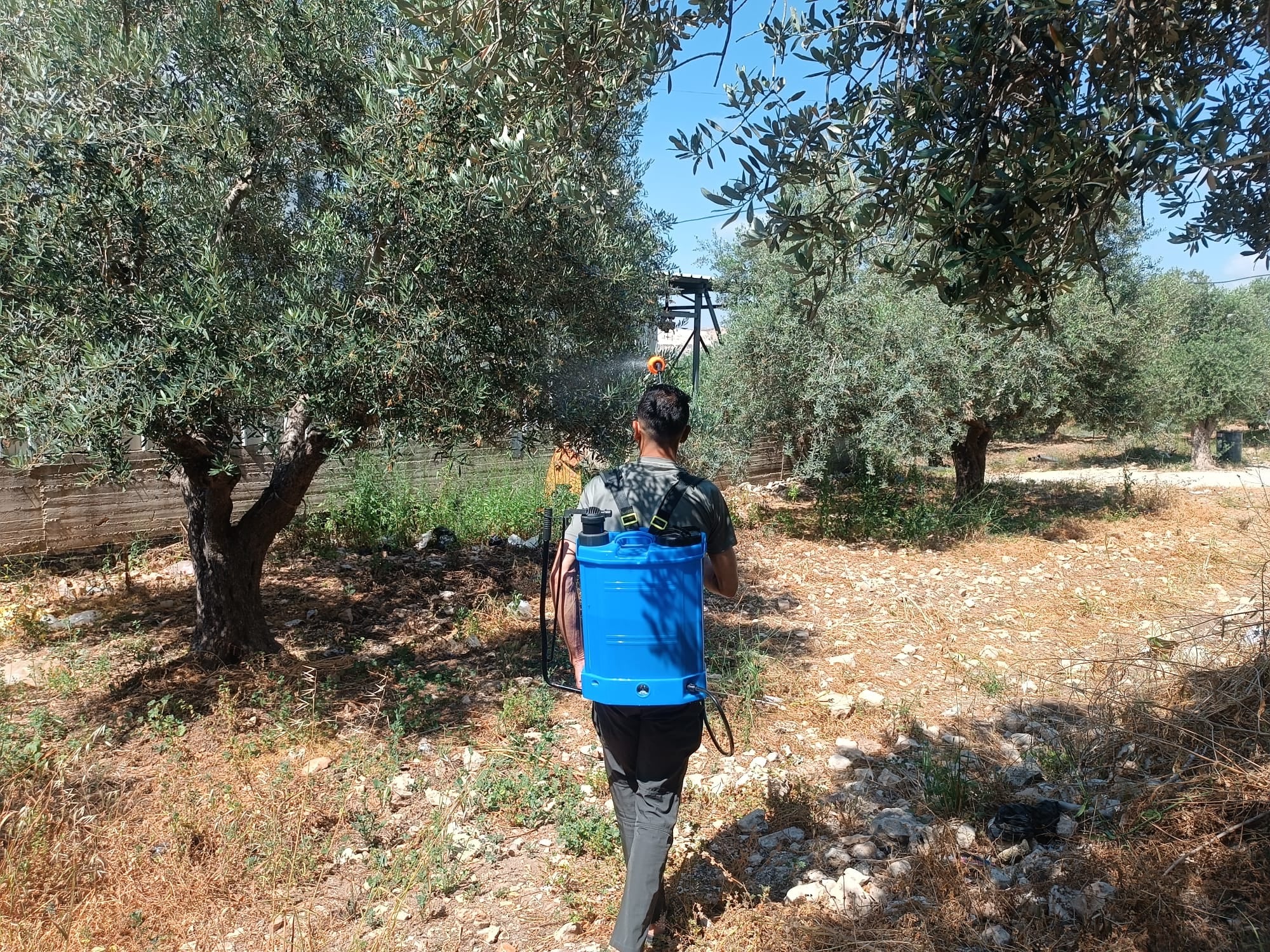
The annual olive oil harvest in the West Bank village of Sarra is a cherished tradition for Ali Ghanim, a farmer and engineer who shares ownership of his family's grove. Passed down through generations, the olive oil trade symbolizes heritage and provides a vital source of income for many families. However, recent years have brought growing challenges to exporting Palestinian olive oil.
Increased settler violence, tighter movement restrictions, and stricter export regulations have made farming and exporting increasingly difficult. Settlers have vandalized olive trees and crops, while movement restrictions by the Israeli army have hampered farmers' access to their groves, leading to reduced yields and losses. The harvest season, typically from mid-October to January, has seen fewer than 10,000 tons of olive oil produced in recent years, with only 7,000 tons exported last year.
Movement restrictions have also impacted the international certification process for organic production, making it harder for Palestinian farmers to label their products as organic and increase commercial value. Delays and restrictions at Israeli ports have further compounded the challenges faced by Palestinian olive oil exporters.
Written by urgent.news from The National Business's reporting — not their text. Machine-written — may contain errors; check the original before relying on it.
This story
This is one outlet's version. Read the fullest account.