From grove to global markets, Palestinian olive oil's increasingly difficult journey
Once a year, Ali Ghanim descends on his family’s olive grove in the occupied West Bank village of Sarra for the annual olive oil harvest. Passed down through generations, the olive oil trade is as much a symbol of heritage as it is a livelihood for Ghanim, who shares ownership of the farm with his brothers. “It’s a tradition for the whole village, young and old, to help pick the olives each year…
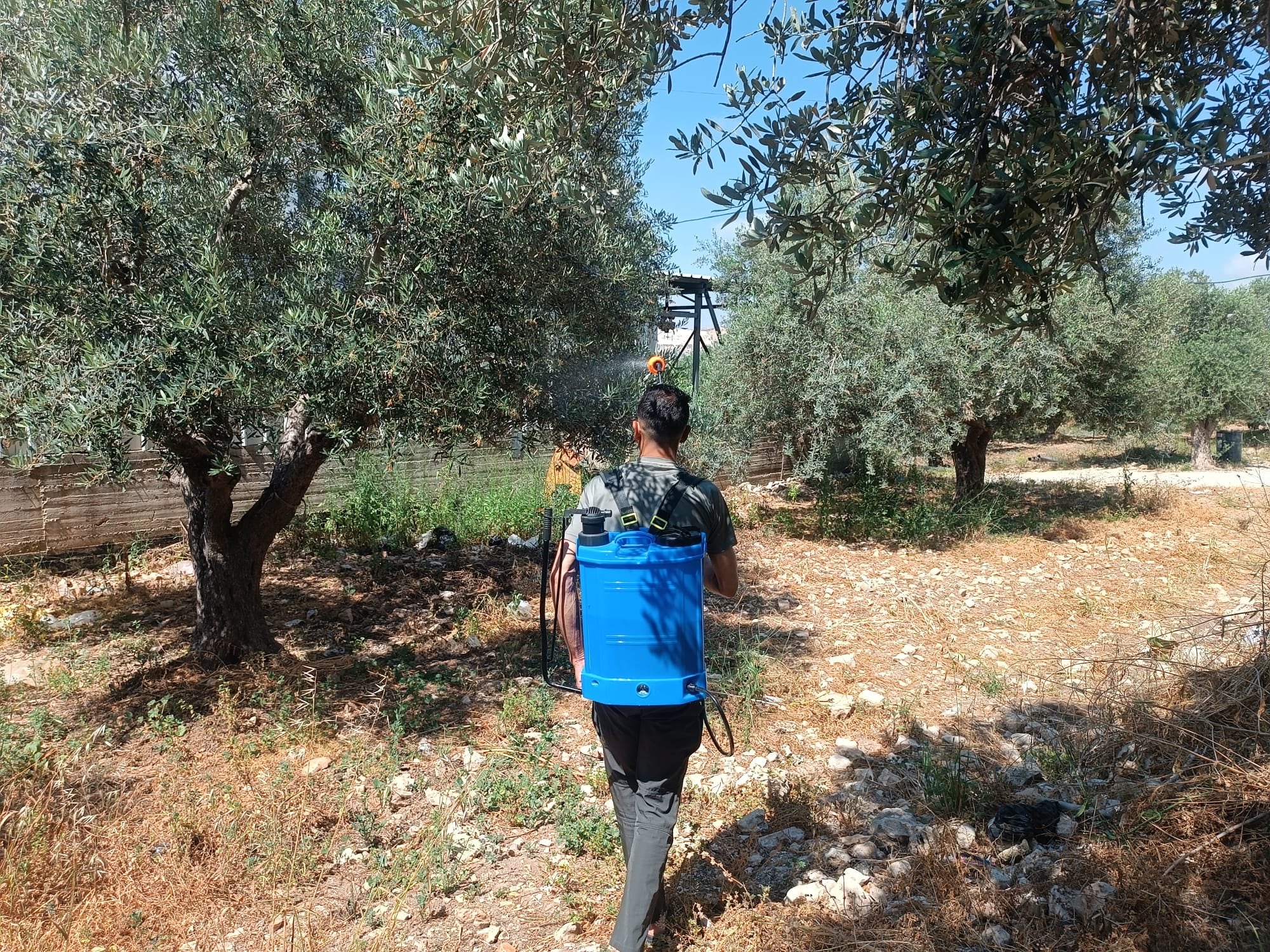
The olive oil trade, deeply rooted in Palestinian heritage, faces an increasingly daunting journey from groves to global markets. Ali Ghanim, a farmer and engineer, shares his family's tradition of harvesting olives each year, as the crop brings in a significant portion of their income. However, recent challenges have made exporting olive oil to international markets increasingly difficult.
In the West Bank village of Sarra, Ghanim's family faces a range of obstacles. Increased settler violence, tighter movement restrictions, and stricter export regulations have all contributed to the difficulty of farming and exporting Palestinian olive oil. Settlers have vandalized olive trees and crops, while the Israeli army's movements have hindered farm access, often resulting in lost harvests.
The harvest season, which can last from mid-October to January, produces around 33,000 tons of olive oil, with up to 15,000 tons typically exported. However, in recent years, fewer than 10,000 tons have been produced, and only 7,000 tons were exported last year. Fuad Abu Saif, a Palestinian agricultural expert, notes that settler attacks and movement restrictions have been the primary causes of reduced yields.
Movement restrictions imposed by the Israeli army, particularly in the northern West Bank, have severely impacted farmers' trade and exports. Checkpoints may be set up unexpectedly, causing delays and preventing farmers from retrieving and harvesting their olives in time. Fueling this situation, thousands of farmers are denied access to olive groves, which are often located between the barrier wall and the Green Line, where agricultural gates remain closed year-round.
The restrictions also affect international certifications for organic production and labeling, making it difficult for Palestinian farmers to obtain organic certification. This certification is crucial for exporting olive oil as organic products, as it increases their commercial value. Zaytoun, a UK-based social enterprise, recently lost its Fairtrade mark due to access restrictions that hindered organic certification checks.
Despite these challenges, exporting to regional and international markets has become more difficult since 2023. Israeli security and customs regulations impose strict criteria on cargo pallets moving through checkpoints and Israeli ports, often limiting maximum pallet height to fit security scanning equipment. This forces Palestinian exporters to use more pallets, slowing the export process and increasing the product's shelf life costs.
As a result, businesses like Khalidi's face delays in receiving their products, affecting their consumer-facing business. Prior to October 7, a shipment of Palestinian olive oil would reach the UAE within 10 days; now, wait times can extend to two months due to delays at Israeli ports. These obstacles highlight the ongoing struggle of Palestinian farmers to maintain their age-old trade and bring their heritage to global markets.
Written by urgent.news from The National UAE's reporting — not their text. Machine-written — may contain errors; check the original before relying on it.