Civil rights groups call to halt South Africa’s data center boom over water and power use
The Equinix facility would require an estimated 160 megawatts of electricity, adding to scrutiny of South Africa’s expanding digital infrastructure
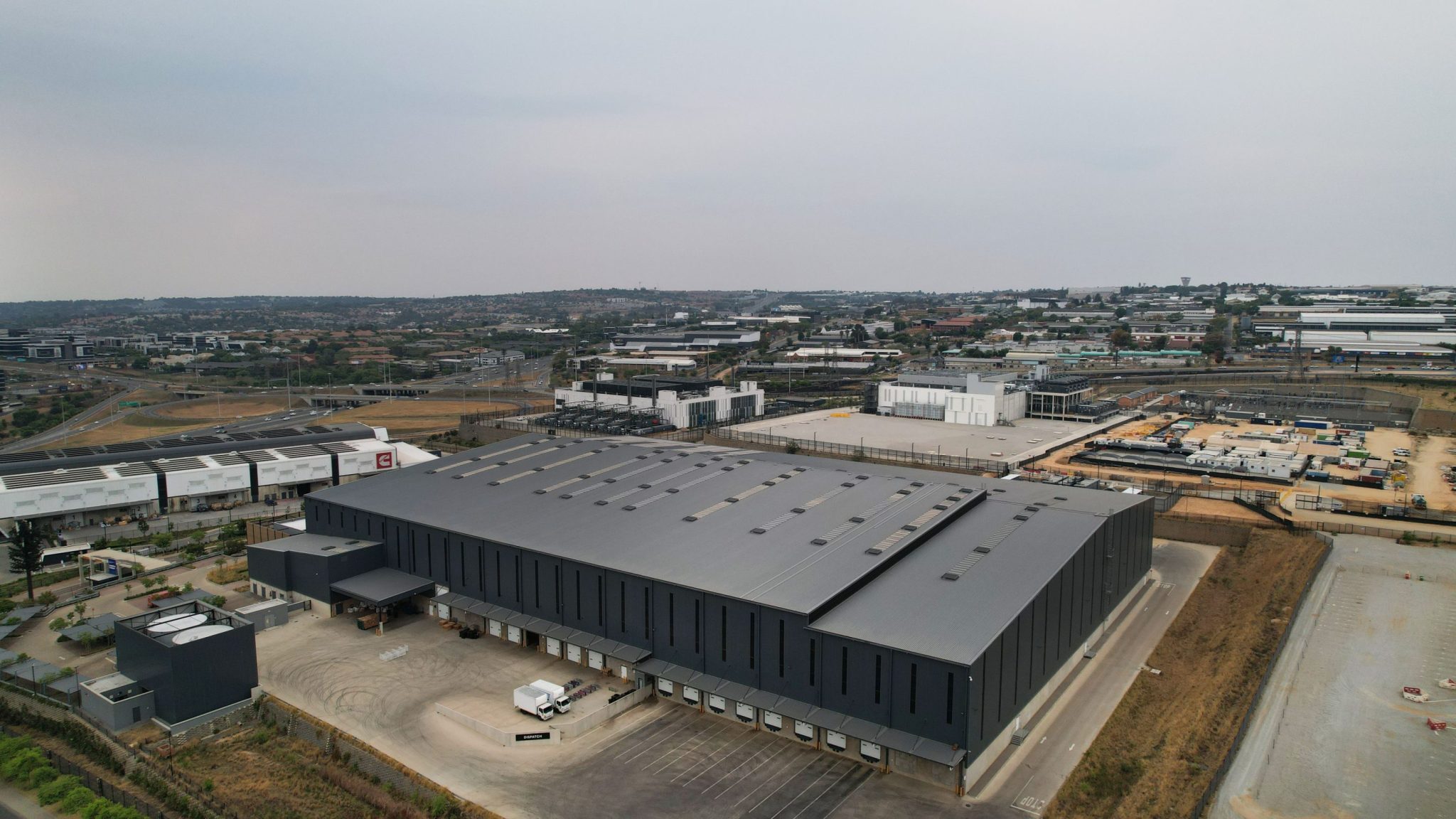
South African civil rights organizations are demanding a pause to the development of new data centers until scrutiny is conducted on their consumption of water, land, and electricity resources. As Africa's primary data hub, South Africa attracts major U.S. tech firms like Amazon, Microsoft, and Equinix to establish digital infrastructure within its borders.
The South African Human Rights Commission, which received over 250 submissions following a May call for public input, is concerned about insufficient transparency surrounding these projects. President Cyril Ramaphosa highlighted that South Africa houses 70% of Africa's data center capacity, positioning this as an opportunity in the global digital economy.
However, the environmental and societal impacts of data centers have become a focal point, mirroring heightened scrutiny observed in the U.S. and other regions. The country has witnessed significant growth in data centers, cloud infrastructure, and associated digital systems. Dr. Eileen Carter, leading the commission's preliminary process, emphasized the importance of transparency regarding electricity and water demand, land use, infrastructure needs, environmental effects, and their repercussions on surrounding communities.
The recent approval of an Equinix hyperscale facility in Cape Town, a city that avoided a "Day Zero" water crisis in 2018, has sparked discontent. The city's past experience with water scarcity and frequent power outages, termed "loadshedding," has fueled the debate. While South Africa has managed to generate a surplus of electricity, civil society groups remain apprehensive about surplus power potentially being sold to data centers.
Pitso Tsibolane, a senior lecturer from the University of Cape Town, clarified that serious investors are not dissuaded by clear rules; rather, they price uncertainty. He stressed that clear rules are essential to establish transparency, and that unregulated booms are the most uncertain environments. Operators have noted that data centers in South Africa require significantly less water, land, and power compared to those in the U.S. Furthermore, data centers in the country are increasingly powered by renewable energy sources.
Internet Service Providers Association chairperson Sasha Booth-Beharilal asserted that the growth in energy demand due to data centers does not contribute to electricity scarcity and that rising demand isn't a factor in increasing electricity tariffs. Local data centers employ new technologies to minimize water usage, which is lower than the global average.
Written by urgent.news from Fortune's reporting — not their text. Machine-written — may contain errors; check the original before relying on it.