Civil groups seek better recognition for indigenous peoples in new bill
Civil society groups have presented their own draft bill on indigenous peoples to the House of Representatives, seeking legislation that would provide legal standing for the underserved and dispossessed.
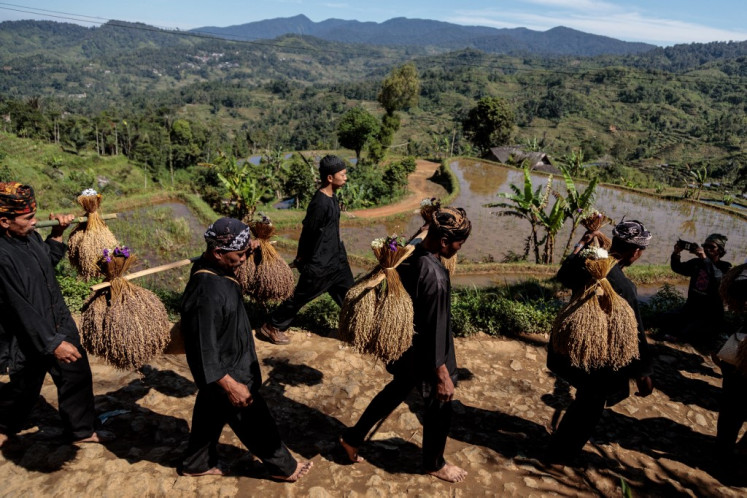
Civil society organizations have introduced a draft bill on indigenous peoples to the House of Representatives, aiming to grant legal recognition to marginalized and displaced groups. The Coalition for the Indigenous Peoples Bill presented the 11-provision draft to the House Legislation Body (Baleg) during a hearing on Wednesday.
The proposal outlines crucial elements such as a precise definition of indigenous peoples and their customary lands, a process for acknowledging their communities, safeguards for indigenous women, and the creation of a national commission to safeguard their rights.
The commission's primary role would be to alleviate the bureaucratic challenges faced by indigenous peoples in obtaining their status and defending their rights, particularly when disputes arise over overlapping claims to territories and forests. The Association for Community and Ecologically Based Law Reform (HUMA), a coalition member, pointed out that the present recognition process is convoluted and sector-specific.
Indigenous communities must first attain recognition through regional regulations in their respective areas, then have their existence verified by ministries responsible for forest management, customary land, or culture and heritage. Erwin Dwi Kristianto, HUMA's deputy coordinator, expressed the coalition's dissatisfaction with this system, highlighting its inefficiency and high costs.
According to Erwin, formal registration is vital for these communities to establish legal standing, especially when disputes over territories or forests occur, as these conflicts frequently intersect with state forest areas or clash with mining and plantation concessions.
Written by urgent.news from The Jakarta Post's reporting — not their text. Machine-written — may contain errors; check the original before relying on it.