Burkina Faso, Mali, Niger exit weakened ECOWAS integration — Nigerian Presidency
The withdrawal of Burkina Faso, Mali and Niger from the Economic Community of West African States has weakened key mechanisms for regional integration and created a major challenge to cooperation within West Africa, the Presidency has said. Special Adviser to President Bola Tinubu on Media and Public Communications, Sunday Dare, made the remarks on Thursday at a policy colloquium […] Burkina…
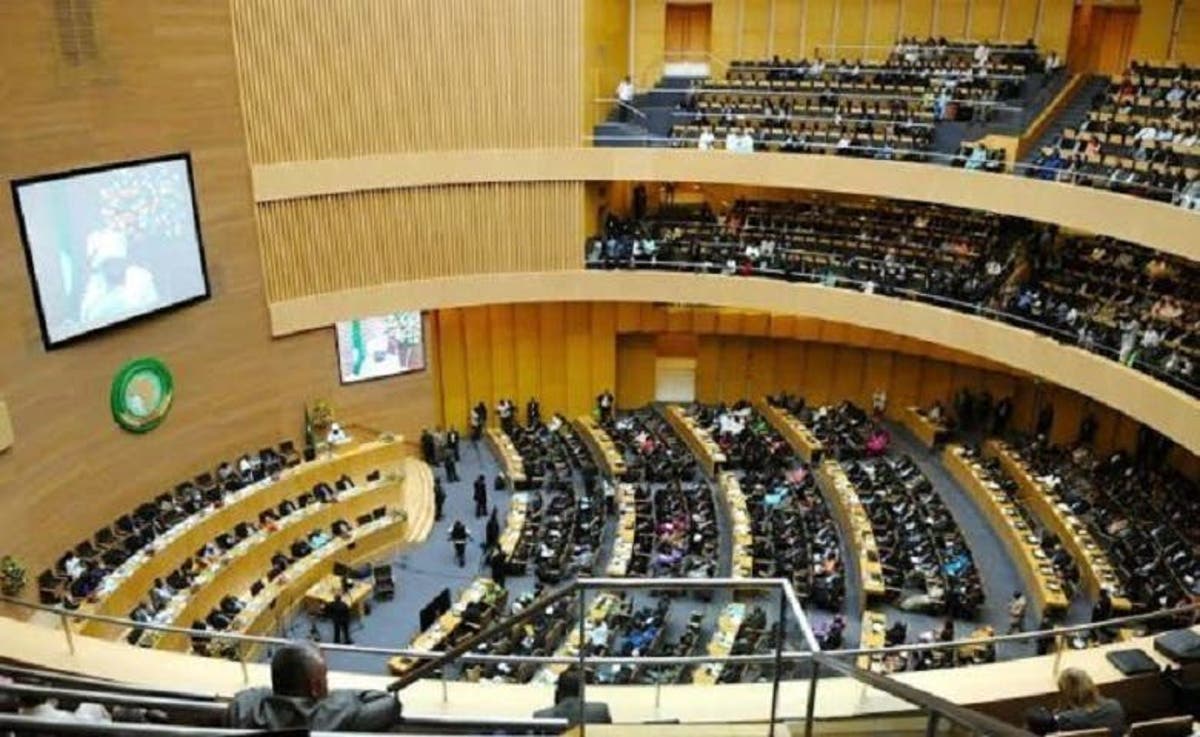
Burkina Faso, Mali and Niger's exit from the Economic Community of West African States (ECOWAS) has significantly weakened regional integration, according to Nigeria's Presidency. Special Adviser to President Bola Tinubu on Media and Public Communications, Sunday Dare, stated this at a policy colloquium organized by the Ministry of Defence in Abuja.
The three Sahelian nations formally withdrew from ECOWAS in January 2025, following a 2024 announcement of their intention to leave. Since then, they have bolstered their cooperation through the Alliance of Sahel States (AES). Dare emphasized that this withdrawal has disrupted key regional mechanisms, particularly those aimed at promoting economic integration and facilitating trade across member states.
The establishment of the AES has emerged as a rival regional framework. He stressed the crucial role of well-managed borders in both economic integration and regional security, noting that strong border controls can support legitimate trade and strengthen security, whereas weak border controls can lead to instability and security threats.
Dare also clarified that while Nigeria's borders are open, they are not without necessary controls by relevant government agencies. The Minister of Defence, Gen. Christopher Musa (retd.), echoed these sentiments, highlighting the Tinubu administration's focus on strengthening Nigeria's national security architecture. The Federal Government is committed to equipping the Armed Forces with the capabilities necessary to respond to evolving security challenges, which now include threats in land, maritime, air, and cyberspace.
Musa underscored the need for a coordinated defence strategy that involves intelligence sharing, joint operations, and greater interoperability among the Armed Forces and other security institutions. The defense minister also highlighted the importance of technological advancement in modern defense, noting the critical role of artificial intelligence, unmanned systems, surveillance and reconnaissance, cyber capabilities, and other emerging technologies.
He urged Nigeria to continue investing in these areas while developing the necessary human resources, military doctrine, and institutional structures to integrate these technologies into defense capabilities. Leah Katung-Babatunde, Special Adviser to the Minister on Media, emphasized that the policy colloquium aimed to bring together various stakeholders to identify challenges and develop practical solutions for strengthening public policy and contributing to Nigeria's long-term national resilience.
Written by urgent.news from Daily Post Nigeria's reporting — not their text. Machine-written — may contain errors; check the original before relying on it.