Andrew Bailey: Populism a threat to global economy
The groundswell of populist politics threatens to undermine central banks’ independence and hamper their ability to protect the long-term interests of the global economy, Andrew Bailey has warned. In a speech in London, the Bank of England governor accused populist parties of trying to exert increasing levels of influence over monetary authorities the world over, [...]
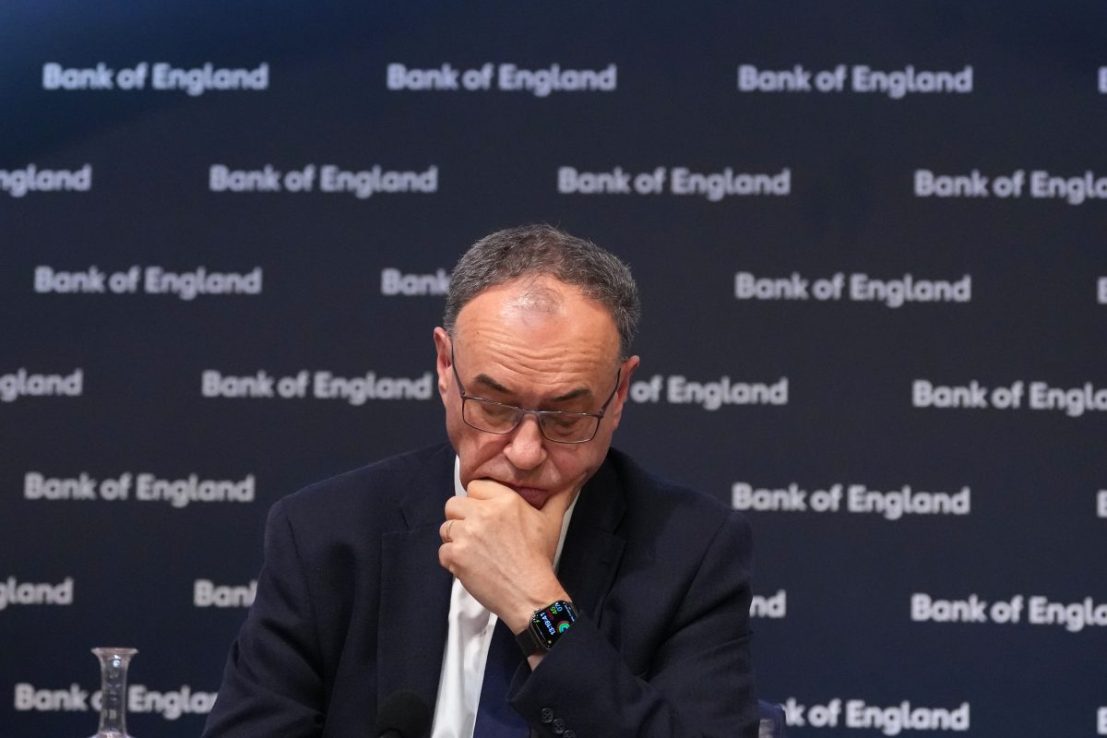
The rise of populist politics, warns Bank of England governor Andrew Bailey, poses a significant threat to the independence of central banks and their capacity to safeguard the long-term welfare of the global economy. In a recent London speech, Bailey accused populist parties of striving to exert growing levels of sway over monetary authorities globally, a development he deemed detrimental to the public interest.
Bailey underscored that central banks are among several institutions targeted by political parties, either at the extremes or in between, as they claim to represent "the authentic will of the people." According to Bailey, any institution perceived to obstruct this process is regarded as an unrepresentative elite standing between the populace and their desires, thereby obstructing popular sovereignty. He emphasized that this is a grave challenge.
Central banks, he stated, derive their authority through forms of democratic delegation within a framework of a plural society. Preserving the trust inherent in this delegation is of paramount importance. Notably, Bailey drew parallels to high-profile attacks on central banks, particularly the contentious investigation launched against former Federal Reserve chair Jay Powell by the US Department of Justice.
The probe, which initially targeted Powell for purportedly mishandling upgrades to the Fed's Washington headquarters, was widely condemned as an attempt to undermine his authority. Other autocracies, including Turkey's Recep Tayyip Erdogan and nations like Hungary and India, have also taken steps to curtail the independence of their central banks.
Bailey argued that attempts to bring central banks under government control often result in misguided short-term monetary policies that ultimately jeopardize economic stability, thereby undermining the trust and legitimacy of monetary systems in society. He stressed that the value of money, crucial for household and business operations, should be upheld by the collective societal support rather than the interests of any single group.
Written by urgent.news from City AM's reporting — not their text. Machine-written — may contain errors; check the original before relying on it.