Agyeman‑Rawlings calls for stronger child protection in armed conflict
Dr Zanetor Agyeman-Rawlings, Minister for Environment, Science, Technology and Innovation, has urged stronger national systems and closer institutional collaboration to prevent children from recruitment or use in armed conflict.
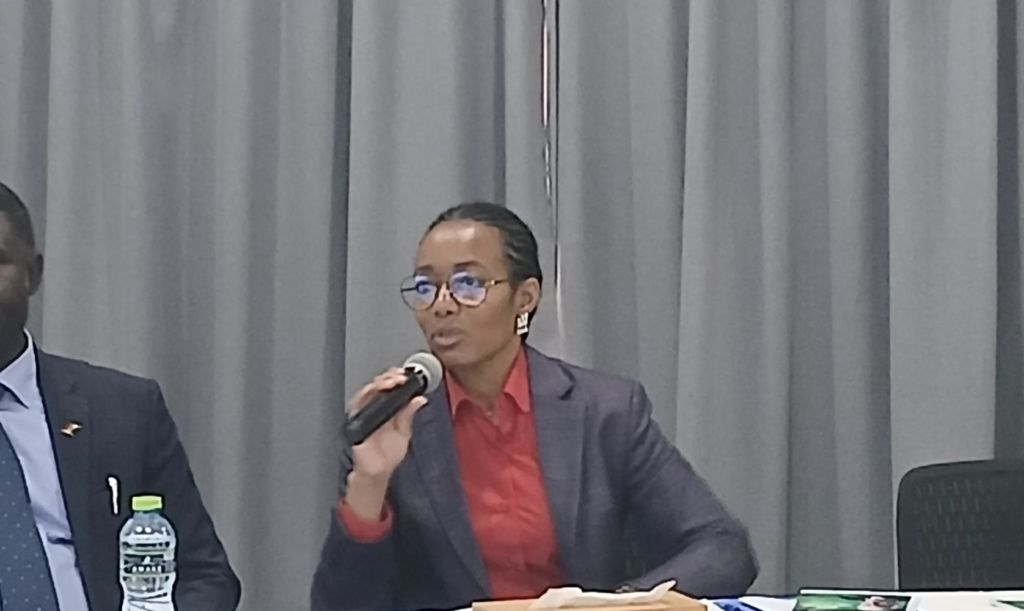
Dr. Zanetor Agyeman-Rawlings, Ghana's Minister for Environment, Science, Technology and Innovation, has called for enhanced national systems and greater collaboration among institutions to safeguard children from being recruited or utilized in armed conflicts. Speaking at the launch of a two-day inaugural meeting of the Multi-Stakeholder Working Group on the implementation of the Vancouver Principles in Ghana, Dr. Agyeman-Rawlings emphasized that child protection must not merely focus on post-conflict response, but rather, must proactively identify vulnerabilities and bolster mechanisms to prevent victimization.
The inaugural gathering, organized by the National Peace Council (NPC) and the Dallaire Institute, aimed to review and validate the Group's terms of reference, set up a governance structure, elect leadership, and outline steps toward drafting a comprehensive National Vancouver Principles Implementation Strategy. The Vancouver Principles, launched by Canada in 2017, consist of 17 commitments focused on preventing children's recruitment and use in armed forces and armed groups, emphasizing prevention across the conflict cycle.
As of 2025, 107 countries, including Ghana, have endorsed these principles. Dr. Agyeman-Rawlings, also a Member of Parliament for Korle Klottey, cautioned against complacency, noting that while Ghana has enjoyed relative peace since returning to democratic rule, the nation operates in a region plagued by violent extremism, terrorism, organized crime, and political instability.
She highlighted that conflicts in the Sahel region could spill over into neighboring countries through displacement, trafficking, exploitation, and heightened vulnerability of young individuals to recruitment. Dr. Agyeman-Rawlings stressed the importance of Parliament ensuring that institutions responsible for national security and child protection have adequate legal frameworks, resources, training, and accountability mechanisms.
She urged the Group's members to adopt an anticipatory approach rather than a reactive one, focusing on identifying vulnerabilities, enhancing early-warning systems, building institutional capacity, and integrating child protection into security policies, training, planning, and operations. Dr. Agyeman-Rawlings warned against the group becoming a venue for periodic meetings without translating discussions into coordinated action, stressing the need for clear responsibilities, realistic timelines, and mechanisms for monitoring, accountability, and coordination.
The ultimate measure of Ghana's implementation efforts would be whether the established systems could "protect a child before that child becomes a victim of conflict," she said. Dr. George Amoh, Executive Secretary of the NPC, highlighted that implementing the Vancouver Principles offers Ghana an opportunity to institutionalize child protection within its national peace and security architecture, linking community-level early warning signals to national policy and strategic action, particularly in the face of emerging security risks such as local disputes, cross-border vulnerabilities, and violent extremism.
Mr. Arsene Mukendi Tshidimu, Project Director of the Vancouver Principles in Sub-Saharan Africa Project at the Dallaire Institute, cautioned against viewing child protection in armed conflicts solely as a child-protection issue, emphasizing the broader need to address it as a peacebuilding, security, governance, and development matter.
He noted that the Working Group's establishment reflects Ghana's commitment to strengthening peace, security, good governance, and the protection of vulnerable populations, particularly children and youth. The Dallaire Institute, through its project, has been working with Ghanaian institutions to train military and police personnel, support pre-deployment training, engage policymakers, and strengthen collaboration with the NPC, demonstrating Ghana's potential to become a regional leader in the Children, Peace, and Security agenda.
Written by urgent.news from MyJoyOnline Ghana's reporting — not their text. Machine-written — may contain errors; check the original before relying on it.
This story
This is one outlet's version. Read the fullest account.