4 House Democrats heading to Dallas for RNC counterprogramming
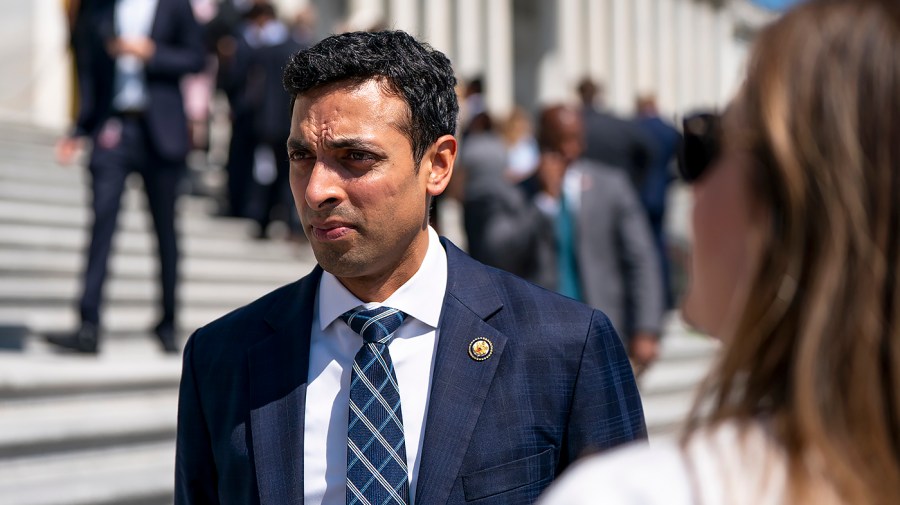
Four House Democrats are headed to Dallas next week as the Republican National Committee holds a first-of-its-kind midterm convention, House leadership announced Friday. Democratic Reps. Robert Garcia (Calif.), Jason Crow (Colo.), Madeleine Dean (Pa.) and Sydney Kamlager-Dove (Calif.) make up the delegation, which will partner with local leaders and the Texas Democratic Party on the...
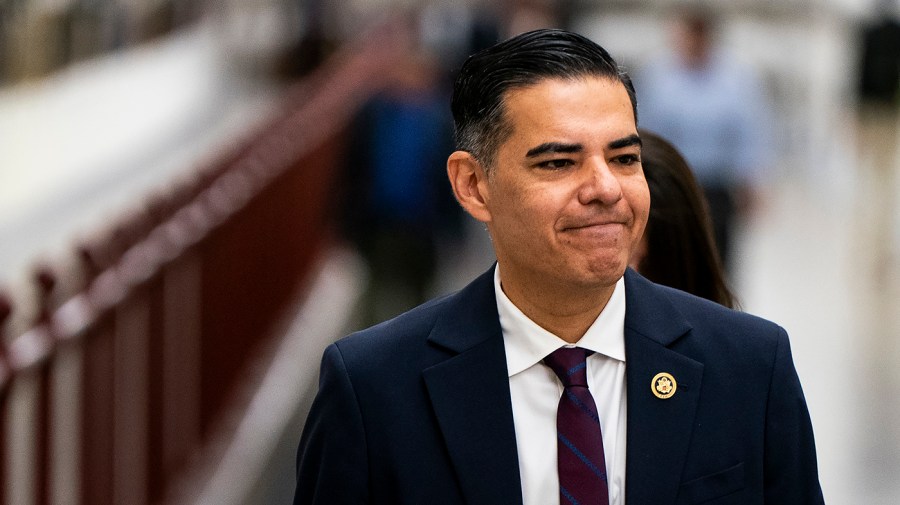
US midterm voting commenced on Friday as North Carolina became the first state to distribute mail ballots for elections that could challenge President Donald Trump's Republican control of Congress. The November 3 elections will determine all 435 seats in the House of Representatives and a third of the Senate, influencing the extent of Trump's ability to implement his policy agenda during the final two years of his term.
Polls indicate Democrats are favored to secure the House, with a Cornell University forecasting model assigning them an 80% chance of victory and projecting a likely majority of 226-209. Other predictors provide similar estimates, giving the opposition party an advantage. The Senate, however, is anticipated to be a more competitive contest, with Republicans currently holding a 53-47 majority. Democrats would require a net gain of four seats to take control, while Decision Desk HQ has projected a potential 50-50 Senate.
Enns, a professor of government and policy at Cornell, cautioned that these forecasts are not definitive, acknowledging the inherent uncertainty. However, he noted that should Republicans retain the House, it would likely signify either a perfect storm for them or an unprecedented event. Trump will not be on the ballot, but Republicans are framing the election as a referendum on his presidency, encouraging supporters to vote as they did in 2024.
The president's party confronts typical midterm challenges, including low approval ratings, worries about prices, and tensions over the Iran conflict.
The election's commencement has been marred by controversy surrounding mail ballots. Trump has petitioned the Supreme Court to permit the Postal Service to implement new verification requirements that were previously blocked by a federal judge. Additionally, an agency whistleblower has cautioned that the hastily developed system could compromise the timely delivery of ballots.
Despite these issues, North Carolina officials assured that their mail voting process would proceed as scheduled. Other states commenced distributing absentee ballots throughout September, with all jurisdictions required to dispatch ballots to military and overseas voters by mid-month.
Written by urgent.news from New Straits Times's reporting — not their text. Machine-written — may contain errors; check the original before relying on it.
This story
This is one outlet's version. Read the fullest account.