3,200-year-old inscription may point to a long-lost ancient Egyptian city from the time of Ramesses II
An inscription written in the time of Ramesses II may indicate the location of a lost ancient Egyptian city.
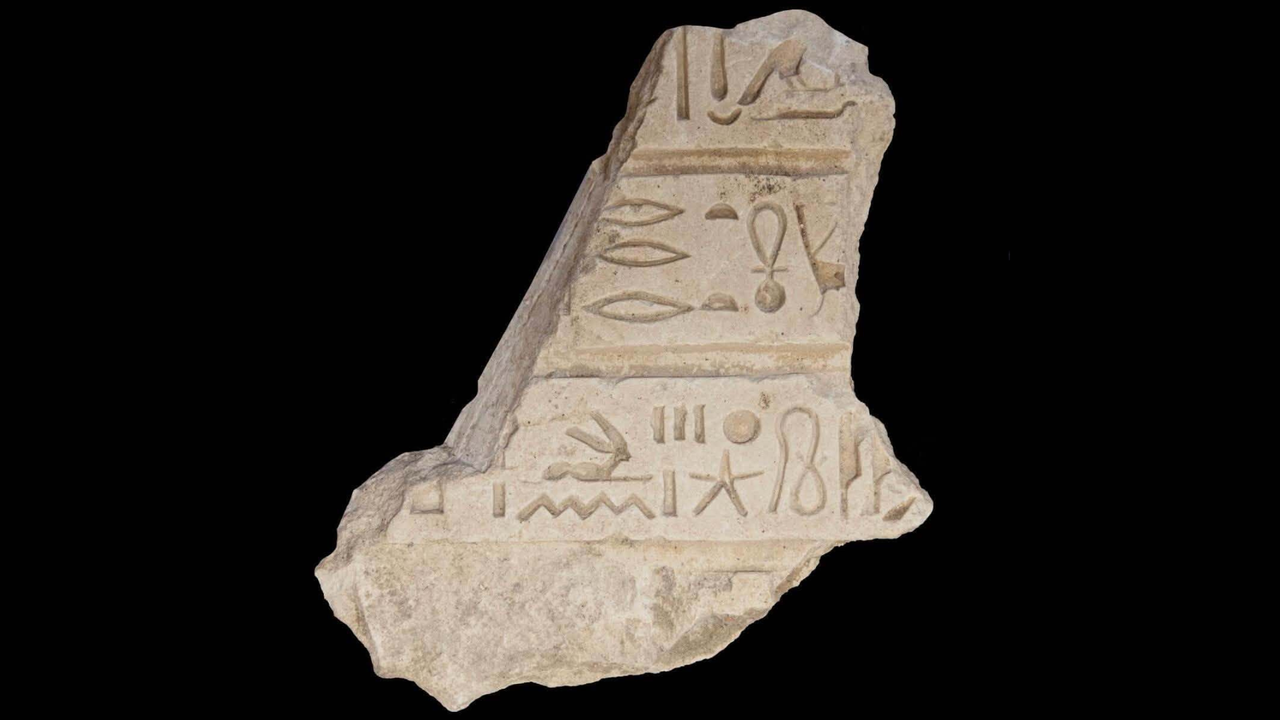
A 3,200-year-old inscription discovered near Tell Abu Seifi, an ancient military road, may reveal the location of a long-lost city, according to archaeologists. The inscription found at the site mentions Ramesses II, who ruled Egypt from approximately 1279 to 1213 B.C., and refers to Horus, an ancient Egyptian god associated with the sky, war, and the falcon-headed deity.
The site also contains the ruins of a temple dedicated to Horus, which were almost entirely destroyed but still provide insight into the importance of the deity in the city. However, the team warns that further research is needed to confirm that Tell Abu Seifi is indeed the long-lost city of Mesn, as more evidence is required to determine the city's founding date, extent, and population.
The presence of the inscription and temple of Horus strongly suggests that Tell Abu Seifi is Mesn, but scholars such as James Hoffmeier and Gregory Mumford caution that more evidence, such as ceramics, is needed to solidify the identification.
Written by urgent.news from Live Science's reporting — not their text. Machine-written — may contain errors; check the original before relying on it.