What is public interest technology and how does it help people in need? A policy expert explains
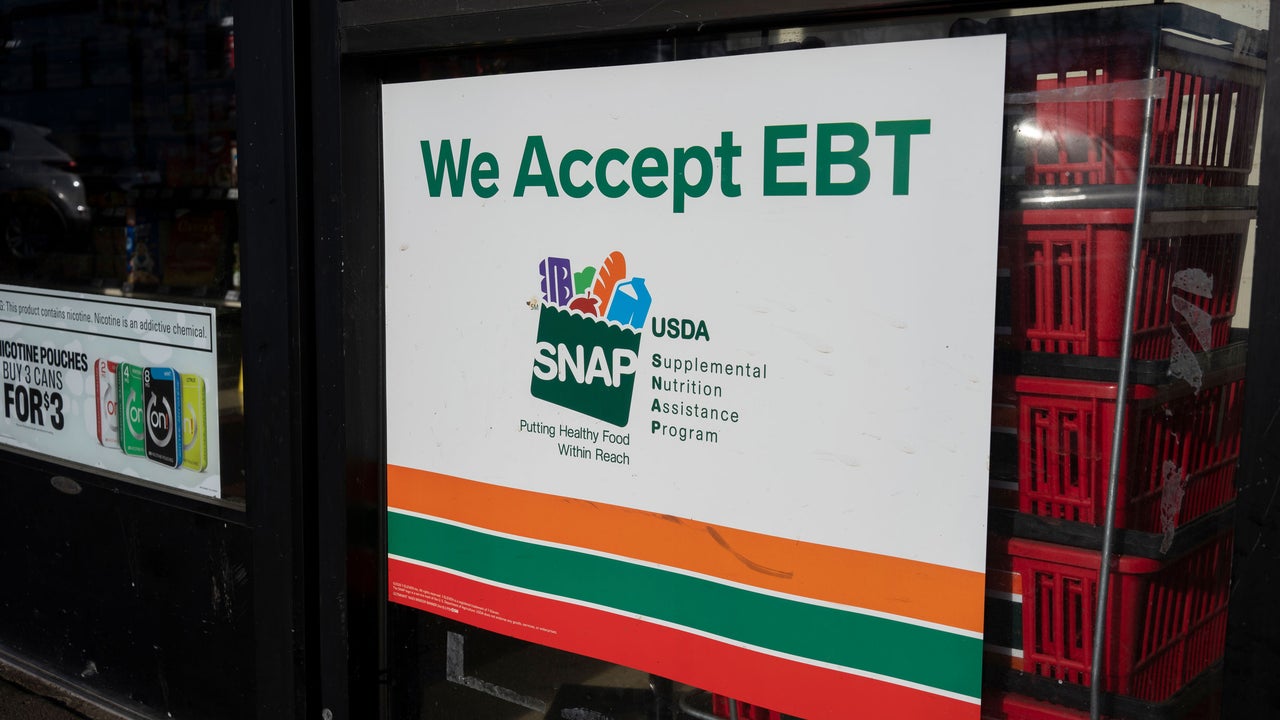
Every year, millions of people who qualify for food assistance never get it. The money exists and they meet the eligibility rules, but they don’t know that the program exists, or if they qualify. For others, the application is too long and complicated. Public interest technology can fill these gaps between what a policy promises and what a person experiences. Public interest technology is a…
Public interest technology utilizes a blend of technology, data, design, policy, social science, ethics, and law to enhance people's lives and serve the common good. This approach has been instrumental in addressing various societal issues, such as preventing lead poisoning, helping families avoid eviction, and supporting disaster recovery efforts.
The process begins by identifying a problem and asking two key questions: what system is failing those it's meant to serve, and how can it be improved? A cross-disciplinary team is then formed to tackle the issue, consisting of caseworkers, community members, data scientists, designers, engineers, and policy experts. Together, they develop and refine a solution, validating its functionality and assessing its equitable impact. Field-testing is crucial to identify any errors and measure the system's impact.
One example is a program in Johnson County, Kansas, which identifies individuals who cycle between mental health crises and incarceration. By integrating the jail system, emergency medical services, and mental health services, the program allows mental health workers to reach out to at-risk individuals before the next arrest.
Another case is in Chicago, where a data-driven system prevents children from being poisoned by lead paint. Instead of waiting for a child's blood test to show lead exposure, the system tracks housing stock, building permits, and health information to flag high-risk housing units. This allows preventive inspections before any child is harmed.
Allegheny County, Pennsylvania, faces challenges in helping the 10,000 to 15,000 people who receive eviction notices annually. A machine learning system now identifies residents who are most likely to become homeless, ensuring that limited outreach efforts and scarce resources reach those in need the most.
Written by urgent.news from Fast Company's reporting — not their text. Machine-written — may contain errors; check the original before relying on it.