West Africa’s plan to save its vultures struggles to take flight
Togo’s vulture population is in crisis. Amid intense persecution for belief-based use and ongoing loss of habitat, surveys between 2021 and 2025 tracked a sharp decline in the numbers of critically endangered hooded vultures (Necrosyrtes monachus) around abattoirs — counting only a few hundred in total across the country. Palm-nut vultures (Gypohierax angolensis) are known […]
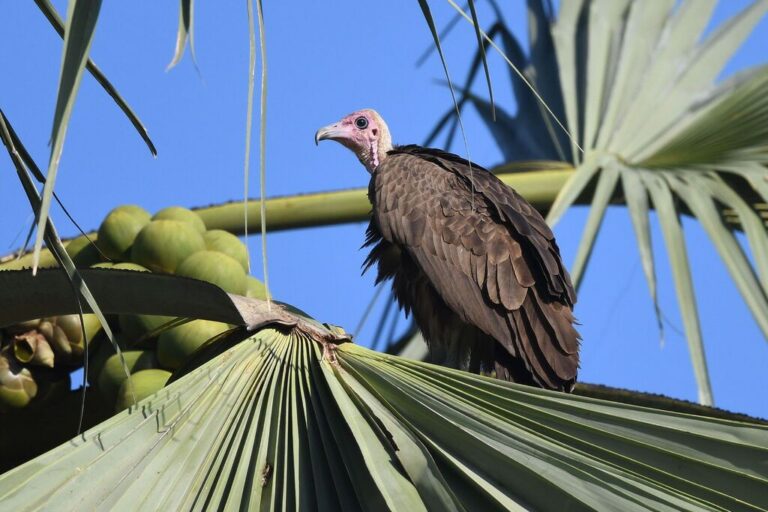
West Africa’s efforts to safeguard its vulture populations are facing significant challenges, with several species teetering on the brink of extinction. In Togo, the critically endangered hooded vulture, once a common sight at abattoirs, is now reduced to a mere few hundred individuals. Palm-nut vultures are only found in protected areas, while white-backed vultures are presumed locally extinct, with the last sighting in 2019.
Nico Arcilla, president of the International Bird Conservation Partnership (IBCP), expressed the concerning reality, stating that finding vultures has become increasingly difficult. In markets across the region, vulture parts continue to be in demand. In Benin, a major hub for vulture trade, unpublished market data revealed 883 vultures for sale in nine markets in 2023, with a staggering 535 vultures still available in 24 markets surveyed in 2025-2026.
This persistent demand, even in areas where vulture numbers have sharply declined or disappeared from the wild, underscores the ongoing pressure on these species. Ralph Buij, a senior scientist with the Peregrine Fund, explained that the declining numbers in market surveys do not correlate with reduced demand. Instead, they reflect the dwindling populations of vultures remaining in the wild.
Written by urgent.news from Mongabay's reporting — not their text. Machine-written — may contain errors; check the original before relying on it.