Versorgungssicherheit: So soll der „historisch niedrige“ Füllstand der Gasspeicher rasch erhöht werden
Die Betreiber der Erdgasspeicher wollen mit einem Eingriff in die Regulierung dafür sorgen, dass mehr Gas eingespeichert wird. Die Zeit drängt, das Wirtschaftsministerium bleibt zurückhaltend.
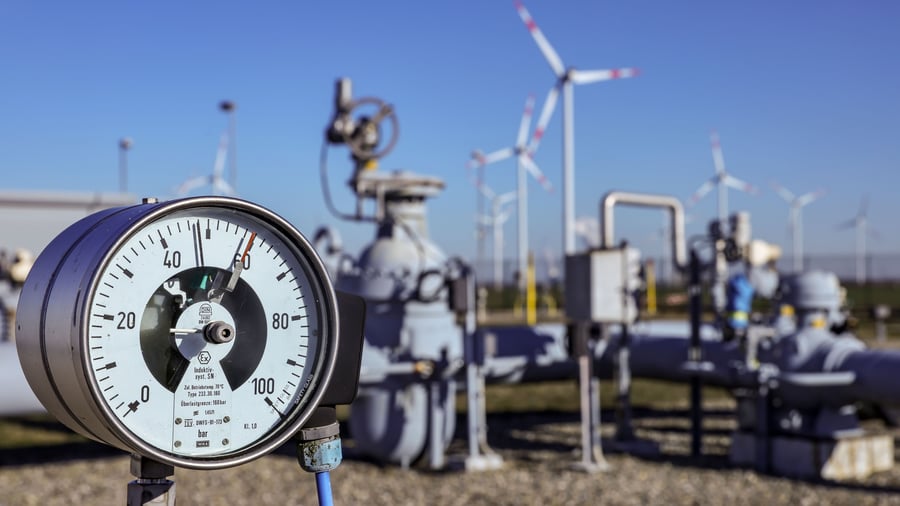
The gas storage capacity in Germany has been abnormally low for weeks, prompting a proposal to quickly increase the fill level. The "Initiative for Energy Storage" (INES) - comprising gas storage operators like Sefe, Uniper, RWE, Trianel, EWE and VNG - has put forward the idea of exempting net transport charges for gas storage. This would make gas procurement for storage economically more attractive as the transport fees would be eliminated.
However, this would cause revenue losses for gas network operators, who would need to compensate these losses by increasing charges on other network users. The INES action plan published Thursday emphasizes the need for better storage market framework to prevent gas supply security from being a random market outcome. The Bundesnetzagentur could implement this regulatory change, but no statement from the regulatory authority has been issued yet.
INES' proposals go further, suggesting reduced financing costs for the stored gas through low-interest government loans and creating long-term options (LTO) that function like insurance for the gas market. These LTO contracts provide buyers with the right, but not the obligation, to purchase a certain amount of gas at a fixed price, protecting against extreme price spikes or shortages during crises.
The low storage levels are partly due to the ongoing Hormuz Strait dispute, which complicates gas and oil transport, raising prices. INES proposes that government credits and LTOs could help finance the storage of gas, especially for the usual summer purchase and storage by gas traders. However, the Bundeswirtschaftsministerin Katherina Reiche prefers to avoid state intervention to drive gas procurement, fearing it might drive prices up.
She said the ministry is closely monitoring the situation and has prepared instruments for each relevant scenario, but the final decision depends on the further development.
Written by urgent.news from Handelsblatt's reporting — not their text. Machine-written — may contain errors; check the original before relying on it.