Toxic wildfire haze spreads across South East Asia as 'super' El Niño intensifies
Millions of people have been exposed to the smog, with more than 12,000 children suffering respiratory issues.
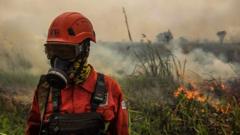
A thick haze of toxic smoke is engulfing portions of Indonesia, Malaysia, Singapore, and the Philippines as weeks-long wildfires continue to rage. Over 50,000 respiratory infections have been detected in Indonesia since July, with more than 12,000 of those cases involving children under five years old. The smog has caused acute unhealthy pollution levels more than 15 times the World Health Organization's recommended limit in some regions.
Environmental experts attribute the crisis to decades of land-use change, primarily driven by logging, plantation development, and large-scale projects that began during the Suharto era. The current wildfires, fueled by a Super El Niño, are more severe than previous years and could burn an area as large as 11 million hectares this season.
The fires threaten crucial tropical peatlands, which store vast amounts of carbon, releasing it into the atmosphere when burned.
Written by urgent.news from BBC Science's reporting — not their text. Machine-written — may contain errors; check the original before relying on it.
This story
This is one outlet's version. Read the fullest account.
- Toxic wildfire haze spreads across South East Asia as ‘super’ El Niño intensifies peopledaily.digital
- Toxic wildfire haze spreads across South East Asia as ‘super’ El Niño intensifies myjoyonline.com
- As the climate changes, South Asia's farmers rethink how – and what – they grow channelnewsasia.com
- Toxic wildfire haze spreads across South East Asia as 'super' El Niño intensifies bbc.co.uk