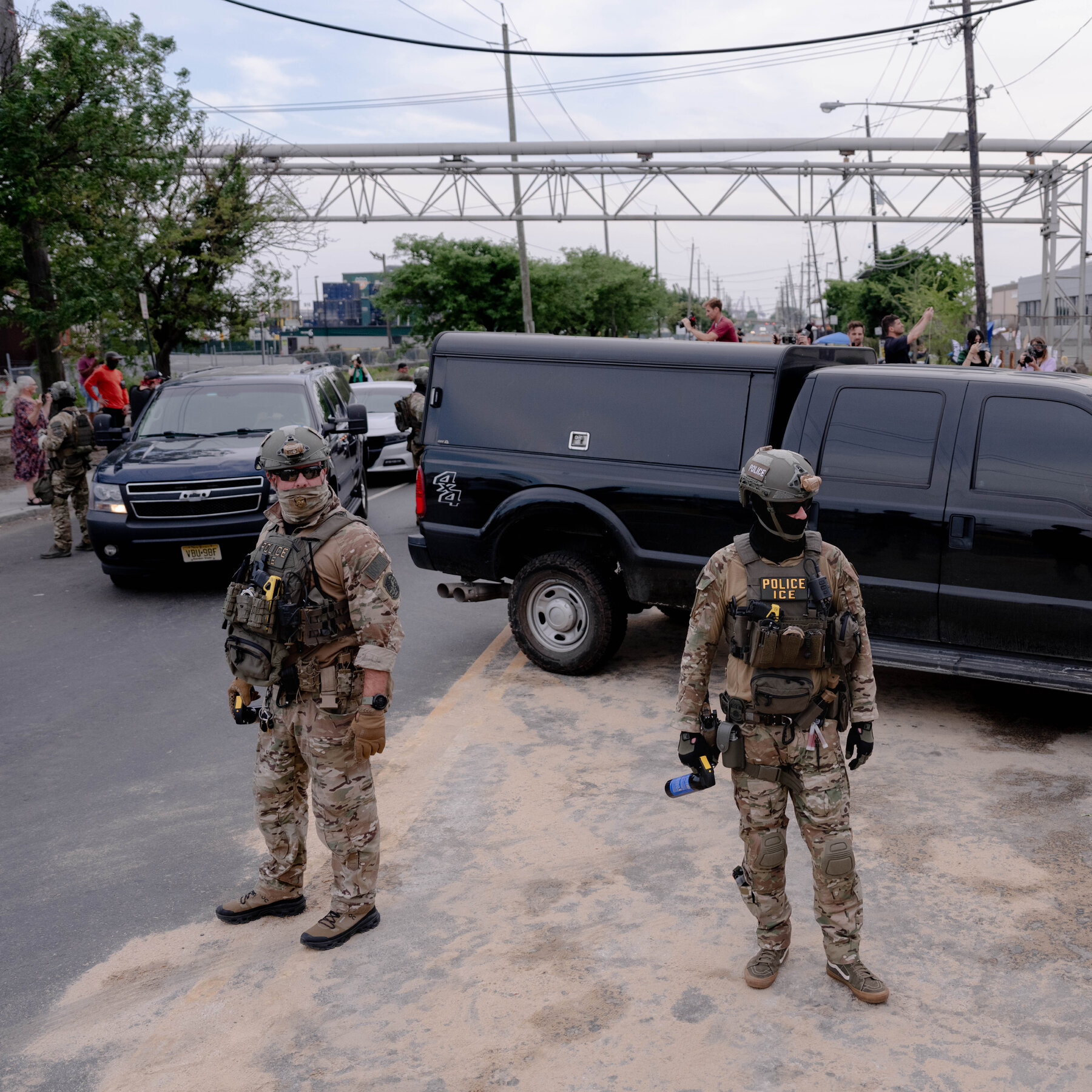
These Judges Take Months to Decide If Immigrants Have Been Unlawfully Detained
The post These Judges Take Months to Decide If Immigrants Have Been Unlawfully Detained appeared first on ProPublica .

President Donald Trump's push for a significant shift in immigration enforcement led to an influx of mass detentions, prompting tens of thousands of immigrants with no criminal convictions to file habeas petitions. These legal challenges, asking federal judges to declare their unlawful detention, have resulted in a highly variable outcome regarding the speed of rulings.
While some detainees secured freedom within days, others have been held for months, and in some cases, even deported before a ruling could be made. A ProPublica analysis of court records from over 70,000 habeas cases filed since January 2025 revealed that certain judges take considerably longer than others to resolve these cases, with federal courts adjusting unevenly to the unprecedented surge in filings.
In Mississippi and Louisiana, federal judges typically take three months or more to decide whether detainees should be released. Among resolved cases in Mississippi, half required 92 days or more to reach a conclusion— the longest duration across any state. The backlog of habeas petitions has overwhelmed the already strained federal courts, putting additional pressure on judges who now face hundreds of additional cases on their overcrowded dockets.
The delays have left many detainees confined in substandard and unsafe U.S. Immigration and Customs Enforcement facilities, where allegations of poor food quality, beatings, and medical neglect abound, though federal officials dispute these claims. Some immigrants have chosen to depart the country rather than endure the lengthy wait for a federal judge's decision.
While new habeas petition filings have slowed in recent months, they remain far higher than pre-Trump administration levels. The massive caseload has strained already overburdened federal courts, making habeas decisions a "completely unresponsive black hole." Federal courts in Texas, California, and Florida have managed to close cases more swiftly, with median decision times of around a month and a half or less, compared to longer waits in Mississippi and Louisiana.
Written by urgent.news from ProPublica's reporting — not their text. Machine-written — may contain errors; check the original before relying on it.