The science of blisters: Why they form and how to stop them
A foot blister is more complicated than a shoe simply rubbing away the skin. A 2024 review in the Journal of Athletic Training describes a friction blister as a tear within the epidermis caused by repeated shear deformation. In other words, the surface of the foot and the shoe do not need to slide dramatically against each other. Small, repeated movements can deform layers of skin until they…
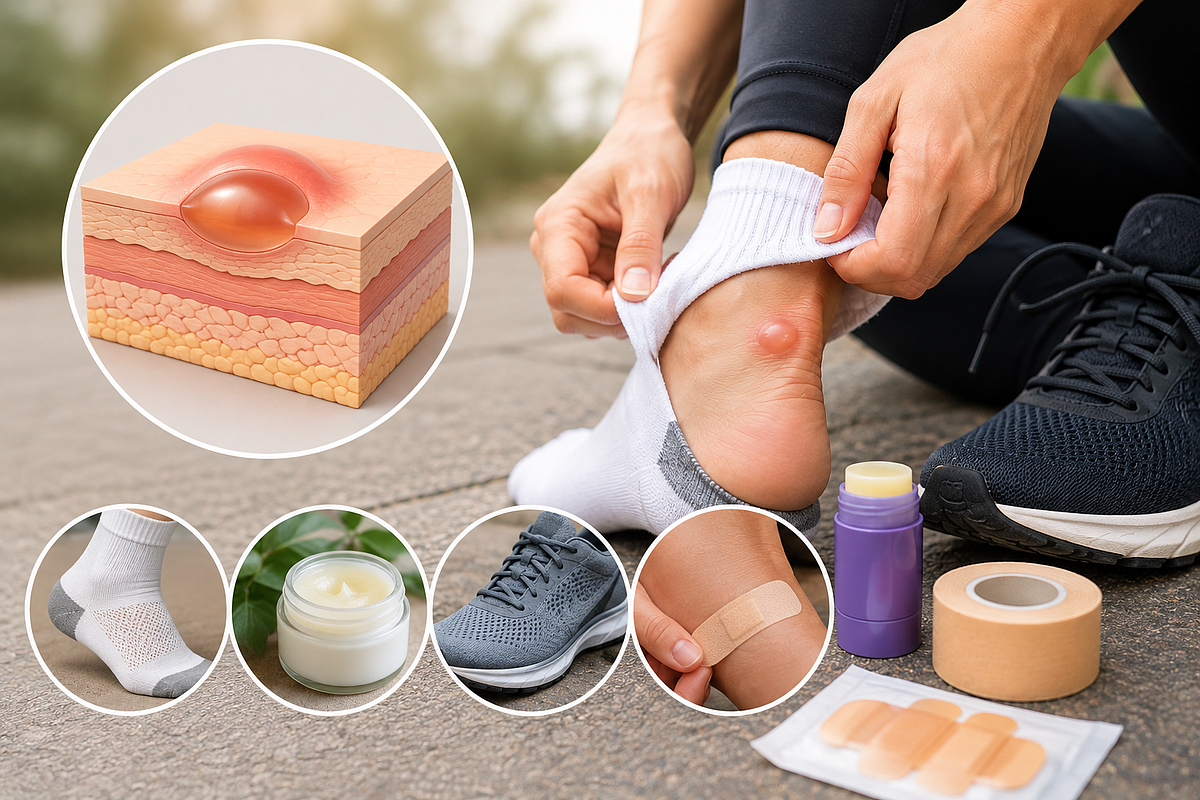
A foot blister is a complex issue caused by the skin tearing due to repeated friction and shear forces between the foot and shoe. This can happen even with new shoes or during long walks, especially in closed footwear. Factors such as moisture, pressure, and repeated movement influence the occurrence of blisters. Moisture changes the frictional properties of skin and materials, making it crucial to manage moisture levels.
Shoe fit is essential in preventing blisters. Shoes should securely hold the foot without pressure points, while socks should sit smoothly without bunching. Moisture management and friction reduction in specific areas, such as the heel and toes, are crucial. This understanding helps in breaking in new shoes, starting a running program, or spending extended periods in closed footwear.
Various remedies claim to prevent blisters, but research does not support their effectiveness equally. Lubricants and optimised shoe fit have limited clinical evidence for reliable blister prevention. Different products offer unique approaches to blister management. For instance, Balega Blister Resist socks use a combination of synthetic yarn, mohair, and merino wool to create a stable, moisture-managing interface.
Body Glide Original Anti Chafe Balm creates a lubricating layer to reduce rubbing, but its clinical evidence remains insufficient. Compeed Blister Plasters are more suitable for cushioning once a blister or rubbing point has formed. Dr. Scholl's Air-Pillo Comfort Insoles change the shoe-foot interface by providing cushioning and fit management, particularly when an existing shoe has room for an insert.
In conclusion, a focused approach to blister management involves understanding the problem as repeated shear forces rather than simple rubbing. Good shoe fit should be the first priority, followed by selecting the appropriate intervention based on the specific problem. For running and long periods of walking, Balega Blister Resist socks are considered the strongest starting point, as they address sock movement, cushioning, and moisture at the shoe-foot interface without requiring direct application to the skin.
Written by urgent.news from Gulf News's reporting — not their text. Machine-written — may contain errors; check the original before relying on it.