Dubai aesthetic clinics to face disciplinary action over edited social media images
Aesthetic clinics and medical service providers are being forced to rethink how they advertise treatments on social media after Dubai Health Authority reinforced rules to protect patients from unrealistic promises and misleading claims. While important for patient health and safety, the changes are also set to prompt a reframing of marketing strategies and the use of influencers. Online…
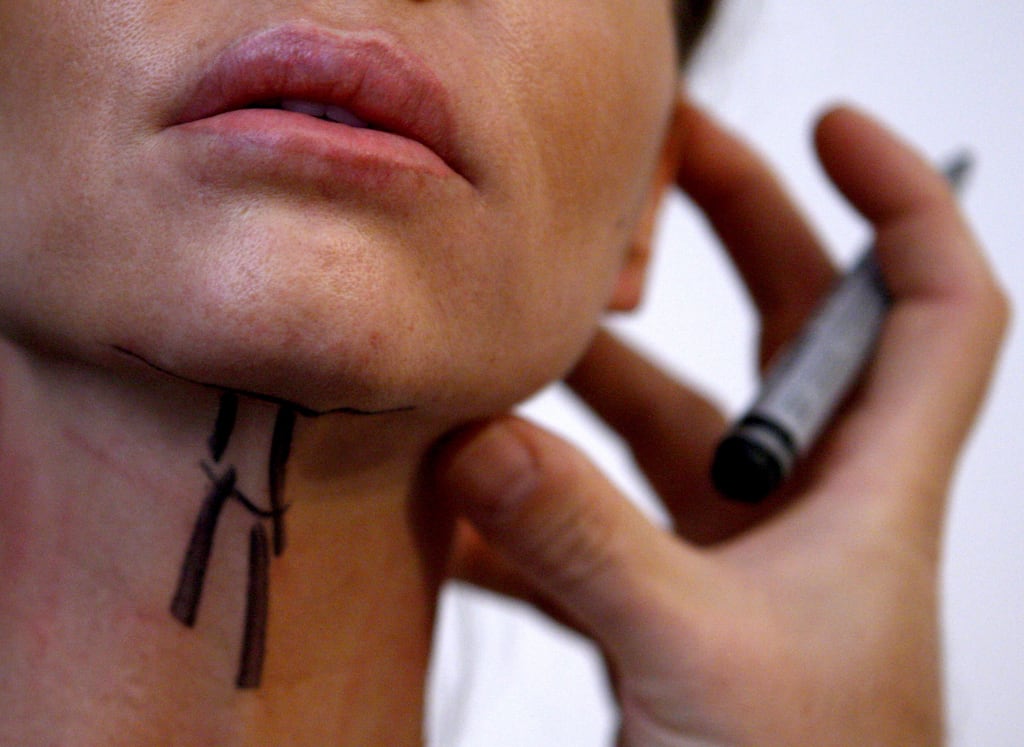
Dubai's aesthetic clinics are facing disciplinary action after the Dubai Health Authority strengthened regulations to prevent patient deception and misleading claims on social media platforms. The new rules, set to protect patient health and safety, will also reshape marketing strategies and the use of influencers. Influencers often promoted aesthetic treatments through before-and-after images, video clips of procedures and promises of guaranteed results, but these methods are now expected to change.
Dr Hussein Hishmat, a professor of cardiology and interventional cardiologist in the UAE, noted that the "elective care market – especially cosmetic dermatology, plastic surgery, weight-loss procedures and cosmetic dentistry" heavily relied on aggressive social-media marketing. The Dubai Health Authority issued a circular to private healthcare facilities and professionals, requiring them to comply with new standards for medical advertising on social media and warning that failure to comply could result in disciplinary action.
The standards demand that medical advertising be truthful, supported by appropriate evidence, and include associated risks. Phrases such as "the best", "safest", "exclusive", "magic", "miraculous", "100 per cent" and "immediate results" are prohibited. Clinics will have to shift from a purely promotional mindset to one focused on providing real health value.
Stricter standards could benefit established operators by creating a more level playing field, making it harder to compete through exaggerated marketing. Before-and-after images are now only permitted if they show the same patient, are taken with the same lens, and include written consent. Live-streaming patients for promotional purposes while under general anaesthesia is prohibited. Healthcare providers must also refrain from implying superiority or suggesting guaranteed results.
Written by urgent.news from The National Business's reporting — not their text. Machine-written — may contain errors; check the original before relying on it.
This story
This is one outlet's version. Read the fullest account.