The Fed's September Decision Could Hit Micron Harder Than Its Own Earnings
Micron's financial numbers look powerful, but the Federal Reserve may decide how much investors are willing to pay for them.
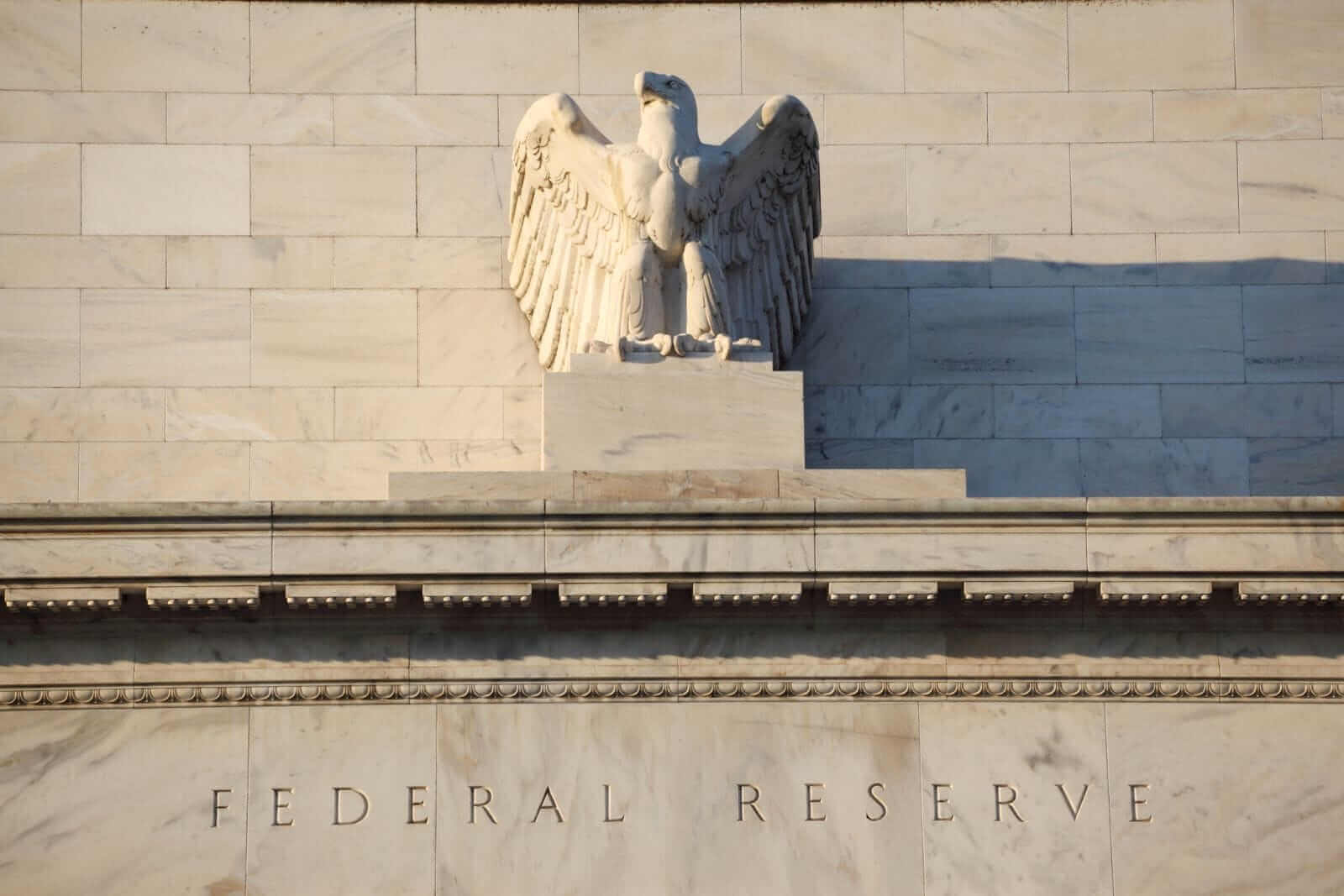
Micron Technology (MU) will release its fiscal 2026 Q4 earnings on September 30, but the Federal Reserve's interest rate decision on September 16 may have an even greater impact. Wall Street now estimates a over 60% probability of a September 2026 rate hike, up from 41.4% the prior week. This change followed Federal Reserve Chairman Kevin Warsh's hawkish remarks at the Jackson Hole symposium.
In 2009, Micron's Double Down signal indicated potential, and now a similar Total Conviction signal is flashing for the company, 1/100th the size of Nvidia. Micron guided for robust Q4 results, with revenue between $49 billion and $51 billion and non-GAAP EPS of $30 to $32. However, the key concern is the longevity of the current memory boom.
Micron's Q3 was exceptional, with revenue up 346% YoY to $41.5 billion and operating cash flow of $25.4 billion. The company expects Q4 revenue of $49 billion to $51 billion and non-GAAP EPS of $30 to $32, driven by higher pricing. DRAM revenue rose 343% YoY to $31.3 billion, while NAND revenue increased 361% YoY to $9.9 billion.
The memory shortage affects more than just HBM or AI data centers; Micron's Mobile and Client business generated $11.5 billion in Q3 revenue and an 87% gross margin. An interest rate hike won't suddenly create more DRAM or HBM supply or stop AI spending. Nvidia expects 70% revenue growth in fiscal 2028, while SK Hynix predicts the memory shortage could last through 2030.
Micron is employing new strategic customer agreements with required purchase volumes and fixed or minimum/maximum prices. These contracts should generate gross margins above the company's previous memory cycle peaks. Micron expects $22 billion in customer deposits and commitments, including $18 billion in cash. With $30.1 billion in cash and marketable investments and only $5.7 billion in debt, higher interest rates are unlikely to significantly impact Micron through borrowing costs.
However, the September risk for Micron lies in investors' confidence in the sustainability of today's strong memory profits. A hawkish Federal Reserve could reduce the forward-earnings multiple, wiping out any potential gains. Higher rates alone may not hurt Micron's near-term results, but they could make investors question the durability of today's strong memory pricing.
During its last major downturn, the memory market weakened as customers reduced inventories and prices fell, causing Micron's revenue to drop 49% YoY and gross margin to fall from 45% to negative 9% in fiscal 2023. Therefore, the September 2026 test could reveal how long the current memory pricing can last.
Written by urgent.news from Yahoo Finance's reporting — not their text. Machine-written — may contain errors; check the original before relying on it.
This story
This is one outlet's version. Read the fullest account.