Canadian Dollar extends gains on hawkish BoC message, softer US Dollar
USD/CAD extends its decline for the second consecutive day on Thursday as broad US Dollar (USD) weakness and the Bank of Canada’s (BoC) hawkish message at its September policy meeting support the Canadian Dollar (CAD).
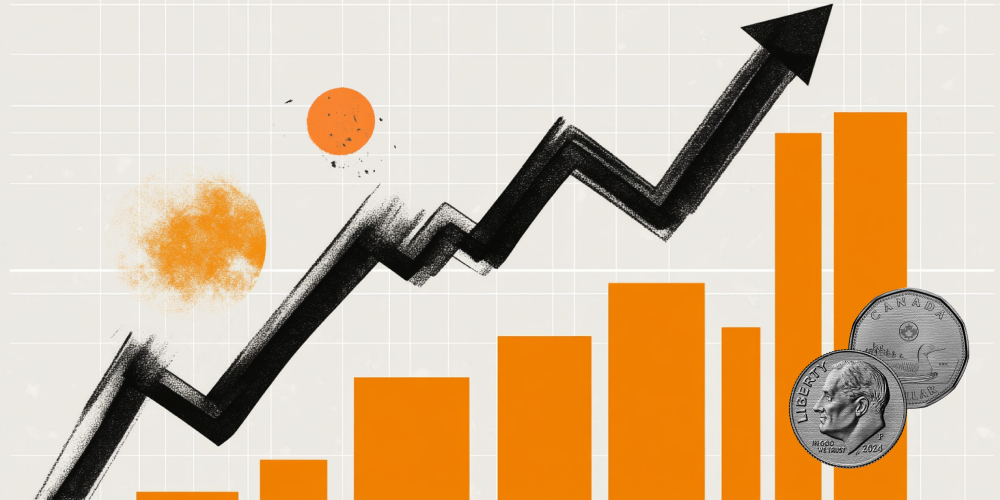
On Thursday, the Canadian Dollar (CAD) strengthened as the Bank of Canada (BoC) delivered a hawkish message during its September policy meeting, while the US Dollar (USD) weakened. The pair is currently trading around 1.3785, marking its lowest level in over a week. The US Dollar Index (DXY), which measures the Greenback's value against a basket of currencies, is near a one-week low at 99.00, following a peak of 99.86 on Wednesday.
The USD has been facing broad selling pressure due to a substantial rally in the Japanese Yen (JPY), which has also affected other currencies. Fed Governor Christopher Waller expressed optimism about potential disinflation in recent data, stating that the September rate decision hinges on the August inflation figures. Waller suggested that he would support maintaining current interest rates if the upcoming data confirmed positive trends.
This shift in the Fed's stance, combined with a less hawkish tone from the BoC, has bolstered the CAD. Analysts at Brown Brothers Harriman noted that the BoC's decision to keep the policy rate at 2.25% for an eighth consecutive meeting, while warning of increasing upside risks to inflation, prompted a swift adjustment in market expectations.
However, they cautioned that such aggressive expectations may prove overly optimistic given core inflation remains near the BoC's 2% target and excess supply persists in the economy. US Initial Jobless Claims increased to 206K, slightly above expectations, while the ISM Services PMI rose to 55.4 in August from 54.1 in July. The focus now shifts to Friday's labor market reports from both countries.
Written by urgent.news from FXStreet's reporting — not their text. Machine-written — may contain errors; check the original before relying on it.
This story
This is one outlet's version. Read the fullest account.
- US Dollar extends decline as NFP takes centre stage fxstreet.com