'The apple you eat isn't the apple your granddaughter will eat': What's on the menu in a warming world?
Almost every aspect of our food system will be transformed by climate change.
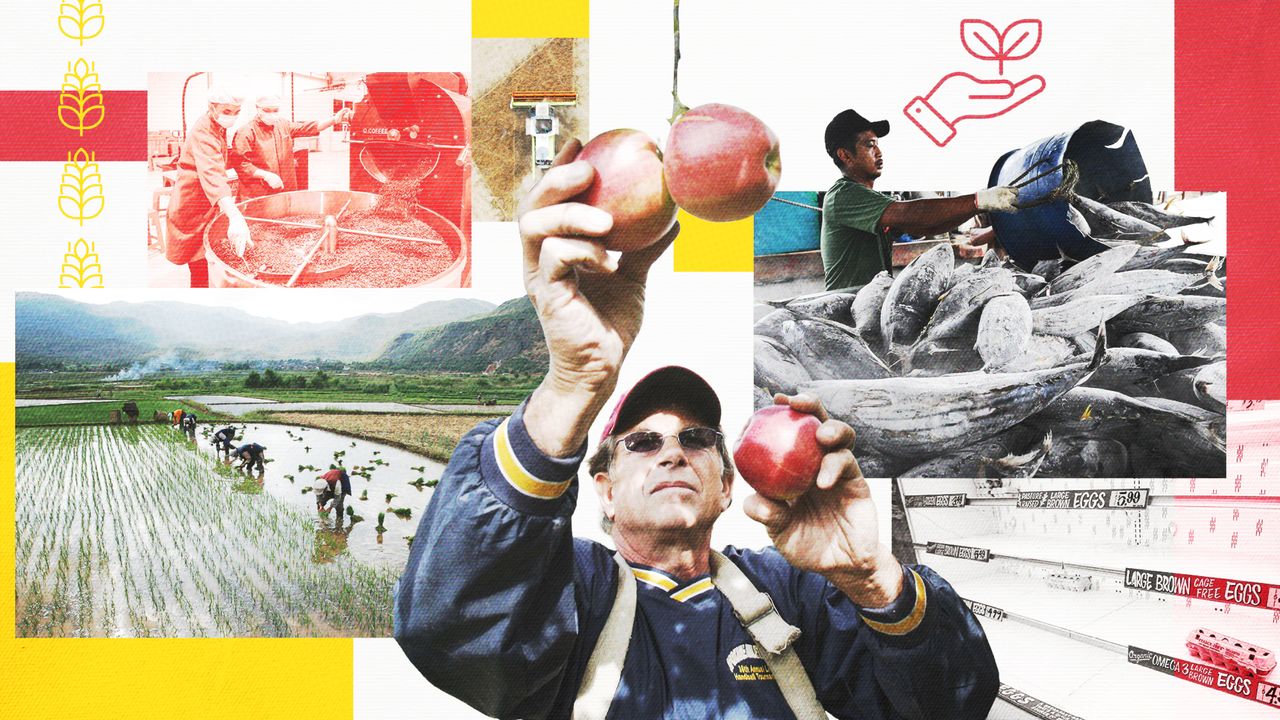
As the world continues to warm, the consequences for our food supply are becoming increasingly apparent. A case in point is the winter wheat crop in Colorado, which suffered a severe setback due to a sudden cold snap following a warm, dry winter. Despite recovering, the final harvest yielded the smallest winter wheat crop in the state since 1965, a worrying trend that underscores the impact of climate change on agriculture.
Climate change is not only affecting the quantity of food produced but also its quality. Crops grown under higher levels of carbon dioxide are found to be deficient in essential micronutrients such as zinc, protein, magnesium, and iron. This decline in nutritional value is projected to worsen, with the global average concentration of carbon dioxide in the atmosphere expected to exceed 550 ppm by the end of the century.
This rise in CO2 levels is anticipated to leave an additional 175 million people zinc deficient and 122 million protein deficient by 2050, according to a 2018 study.
Moreover, extreme weather events and climate-related shifts can further exacerbate food insecurity. Rising sea levels can inundate farmland and lead to saltier soil, while droughts, heat waves, and storms can cause year-by-year price spikes or shortages. For instance, the recent egg shortage in the U.S. was a result of bird flu, illustrating how sudden shifts can disrupt food supply chains.
Fisheries are also facing challenges due to rising sea temperatures, ocean acidification, and the degradation of coral reef ecosystems. Warmer waters can lead to harmful algal blooms, contaminating seafood with neurotoxins that pose a significant health risk. Such changes in marine life and food safety could disproportionately affect food-insecure regions like Southeast Asia, the Caribbean, Africa, Central America, and the Pacific.
The implications of climate change on food security and nutrition are far-reaching. Without immediate mitigation efforts, regions heavily reliant on imported food are likely to experience significant food insecurity and malnutrition. The consequences extend beyond agriculture, affecting food safety and marine ecosystems, and posing a serious threat to global health.
Written by urgent.news from Live Science's reporting — not their text. Machine-written — may contain errors; check the original before relying on it.