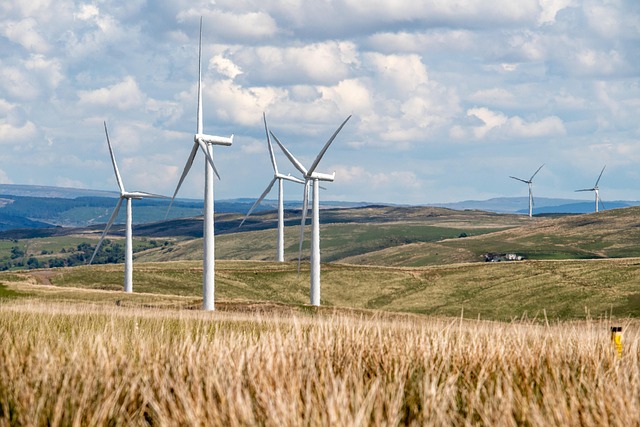
Should you feel guilty using ChatGPT? We just fact-checked Sam Altman's wild almond claim
Sam Altman says 38,000 ChatGPT queries use as much water as growing one almond. We checked the math — and found there’s more to the story.
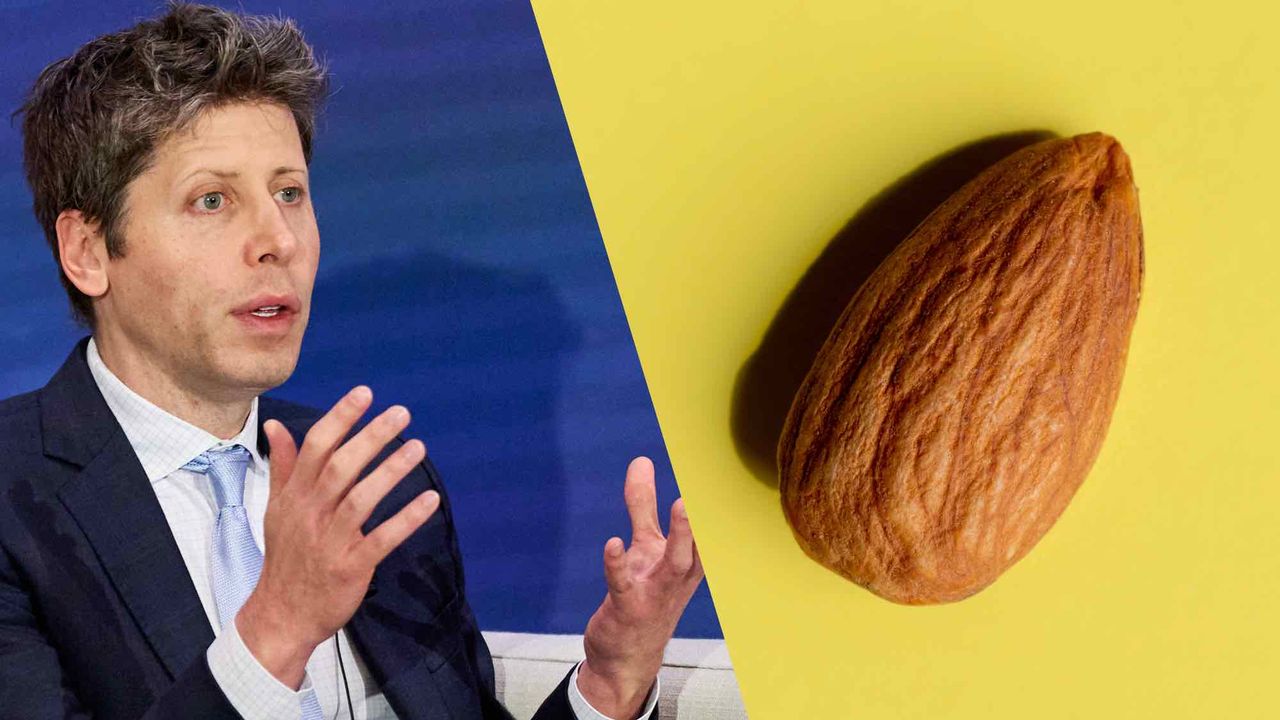
If you spend any time on social media, you may have come across the concept of "AI guilt." This idea suggests that every time you ask a chatbot like ChatGPT to help with a task, it consumes an enormous amount of water. OpenAI CEO Sam Altman recently addressed this notion during an interview on the Sources podcast. He argued that modern data centers use far less water than older facilities relying on outdated cooling methods.
According to Altman, running 38,000 ChatGPT queries uses the same amount of water as growing a single almond. However, the exact figure he cited might not be entirely accurate. If we assume his claim is correct, this would mean that each ChatGPT query consumes only about two drops of water, which is significantly less than previously reported.
The misconception about AI's water consumption likely stems from a study by researchers at the University of California, Riverside and the University of Texas at Arlington. This study estimated that a brief conversation with an AI model like GPT-3 consumes around 500 milliliters of water, or about one standard plastic water bottle.
This estimate is much higher than Altman's 0.11 milliliters per query. The discrepancy arises from the scope of the measurements taken by each study. Altman's figure only accounts for the water used for cooling within the data center, while the study considered additional water used in electricity generation, which can account for up to 75% of the total water footprint.
While modern data centers are more efficient in their water usage, the aggregate water consumption remains significant due to the massive number of users and prompts processed daily.
Written by urgent.news from Tom's Guide's reporting — not their text. Machine-written — may contain errors; check the original before relying on it.
Also reported by 2 other outlets
- Sam Altman denies one ChatGPT query uses 6hr shower water, gives almond example timesofindia.indiatimes.com
- Sam Altman on concerns over AI water use: 38,000 ChatGPT queries use as much as 1 almond hindustantimes.com