Does Mamdani's AI moratorium in schools mirror the 'calculator panic' of the 1980s?
New York Mayor Zohran Mamdani 's decision to declare a one-year moratorium on generative artificial intelligence in schools has been criticised as regressive and anti-technology. While it has its share of supporters, critics have compared Mr Mamdani 's one-year moratorium on "student-facing generative AI " – from kindergarten to Grade 8 – to the "calculator panic" of the 1970s and '80s, when…
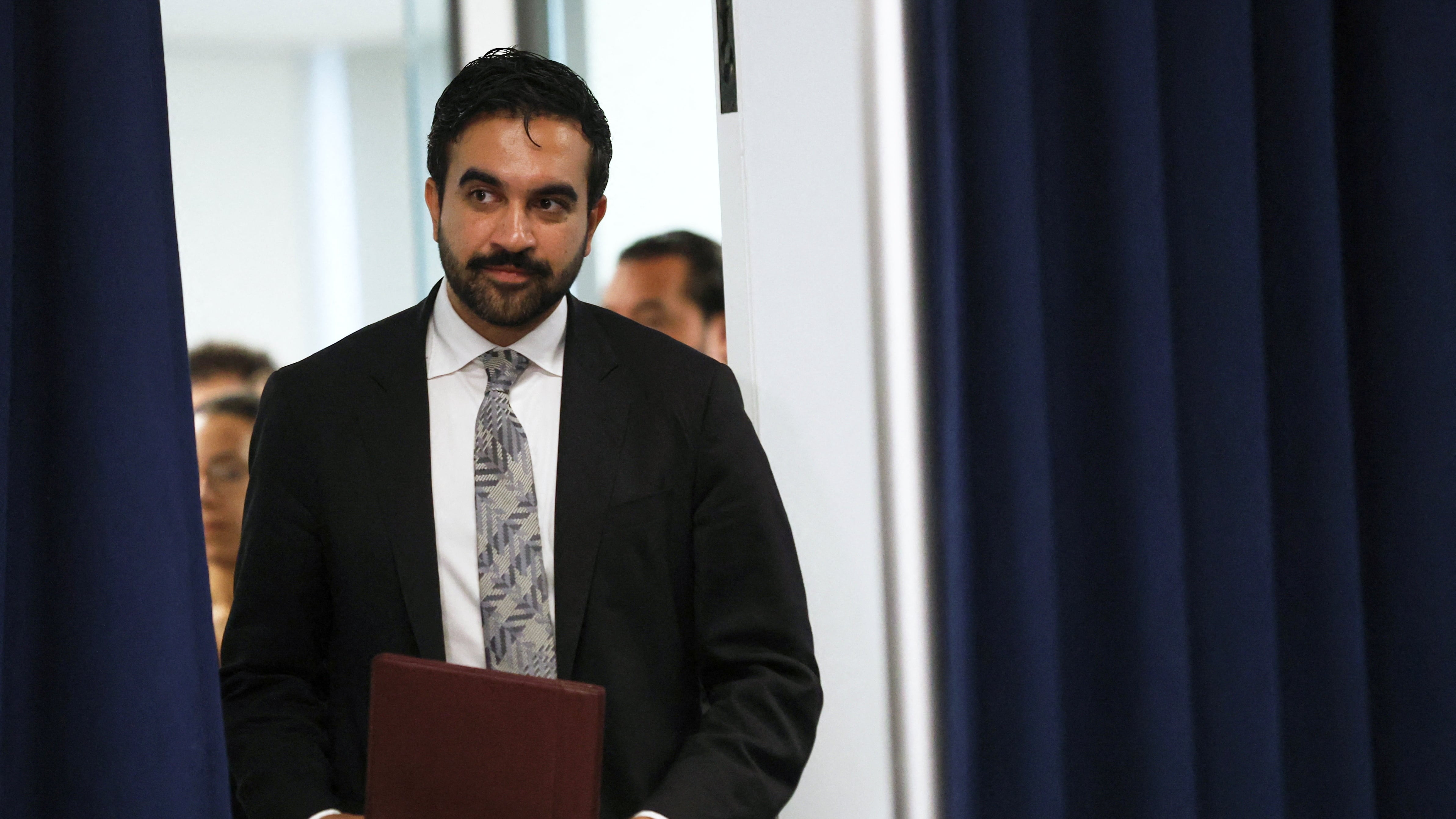
New York Mayor Zohran Mamdani has imposed a one-year moratorium on generative artificial intelligence in schools, sparking criticism that it resembles the calculator panic of the 1970s and 1980s. Supporters argue the ban aims to ensure children learn from teachers first and not become reliant on AI, while opponents liken it to an overreaction against technological progress.
The tech industry views AI-powered early education as inevitable, but Mamdani believes children need human connection and learning skills alongside peers. Recent polls show growing concerns about AI's effects on labor markets, the environment, and societal norms, leading some to view Mamdani's decision as worrisome. However, others praise the moratorium, citing the need for critical thinking and stronger pupil-teacher relationships.
Critics argue the ruling disproportionately harms students who lack financial resources to access technology outside of school. Mamdani's approach includes pilot programs to evaluate AI tools, with a focus on vendor accountability, ethics, and learning impact. While the strategy receives some support, enforcing the moratorium proves challenging due to resourceful students who may circumvent the rules.
The precedent of calculator usage in schools during the 1970s and 1980s shows a pattern of initial resistance, but ultimately acceptance, suggesting Mamdani's approach may also evolve over time.
Written by urgent.news from The National UAE's reporting — not their text. Machine-written — may contain errors; check the original before relying on it.