Should I be concerned that an invasive mosquito species has been detected in east London?
The UK Health Security Agency (UKHSA) has detected Aedes aegypti mosquitoes and larvae at residential properties in east London. It is the first time this species has been found breeding in the UK, and the fourth modern-day detection of Aedes …
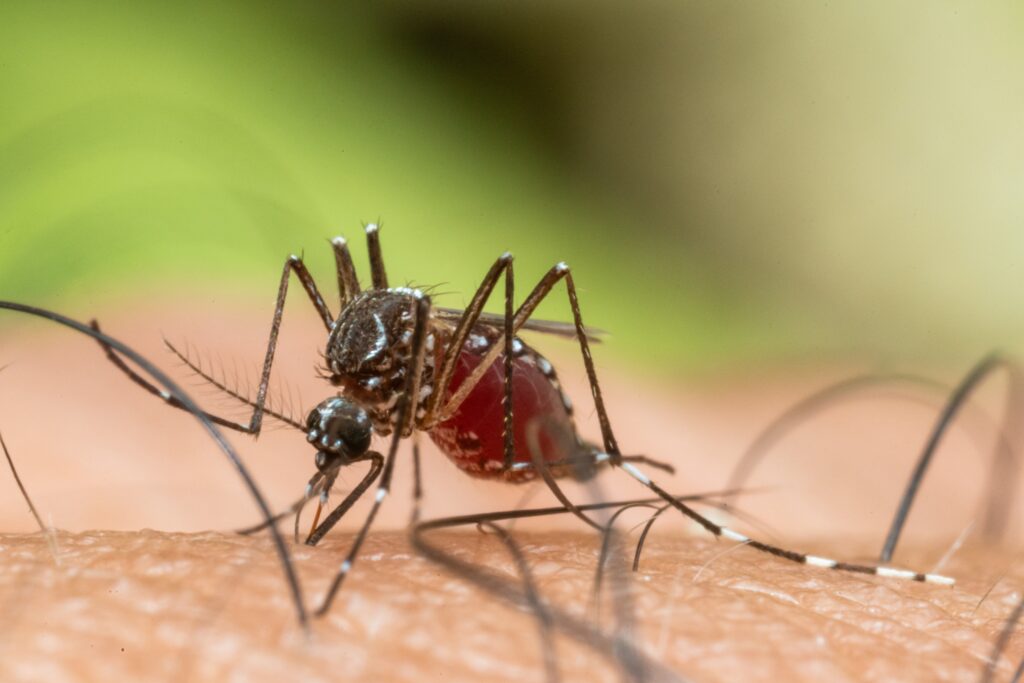
The UK Health Security Agency (UKHSA) discovered Aedes aegypti mosquitoes and larvae in residential properties in east London, marking the first time this species has been found breeding in the UK. This marks the fourth modern detection of Aedes aegypti in the country. The initial finding was reported through UKHSA's Mosquito Watch surveillance scheme, and control measures have been initiated to eliminate the larvae and minimize the risk of further breeding.
This species, also known as the yellow fever mosquito, is capable of transmitting diseases such as dengue, chikungunya, yellow fever, and Zika virus in areas where those infections are present and conducive weather conditions allow for transmission. However, it does not carry malaria and has historically struggled to adapt to the UK's temperate climate and survive winters.
Despite the discovery, the risk to the public is considered very low, as there is no evidence of human infections or the mosquitoes being found in public areas. The UKHSA expects that as the climate warms, there will continue to be incursions of invasive mosquitoes, including the tiger mosquito, Aedes albopictus. To help with monitoring and control efforts, the public can reduce breeding opportunities by removing standing water from their gardens and outdoor spaces, report any mosquito sightings through the Mosquito Watch scheme, or submit physical specimens through the specified process.
Written by urgent.news from UK Health Security Agency's reporting — not their text. Machine-written — may contain errors; check the original before relying on it.
Also reported by 1 other outlet
- Invasive tropical mosquito found breeding in east London theguardian.com