Invasive tropical mosquito found breeding in east London
Climate crisis could increase incursions of Aedes aegypti, which can transmit Zika virus and dengue, experts say An invasive mosquito capable of transmitting tropical diseases has been found breeding in homes in east London, with warnings that the rapidly warming climate will lead to greater “incursions of invasive mosquitoes”. This is the first time the species has been identified breeding in…
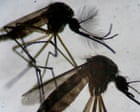
An invasive mosquito species, known to carry tropical diseases, has been discovered breeding in homes across east London, raising concerns about the impact of climate change on the spread of mosquito-borne illnesses. This marks the first time the Aedes aegypti mosquito has been identified breeding in the UK, although it has been detected four times previously. The mosquito, typically found in tropical and subtropical regions, can transmit diseases such as dengue, chikungunya, and Zika virus.
The UK Health Security Agency (UKHSA) stated that while the risk to the public is currently low, with no evidence of human infections caused by the mosquitoes in east London, they warned that the rapidly warming climate could lead to more frequent incursions of invasive mosquitoes. The agency clarified that the species is not yet established in the UK and is unlikely to survive long in the typical British climate, which is too cold for the mosquitoes.
David Smith, advocacy and social change manager at the charity Buglife, highlighted the role of climate change in facilitating the establishment of exotic and potentially invasive species in the UK. A recent study found that chikungunya, a severe tropical disease, can now be transmitted across most of Europe due to higher temperatures caused by climate change.
The UKHSA implemented control measures to eradicate the larvae, and the area will be closely monitored for any further mosquito or larvae sightings. Residents were advised to eliminate standing water from gardens and outdoor spaces, such as buckets, containers, paddling pools, and plant pots, to minimize breeding opportunities for all mosquito species.
Written by urgent.news from Guardian Science's reporting — not their text. Machine-written — may contain errors; check the original before relying on it.
This story
This is one outlet's version. Read the fullest account.