Sharpeville massacre survivors start legal fight for justice in South Africa
Abraham Mofokeng still carries the wounds of the bloody suppression of a protest in South Africa 66 years ago. In what became known as the Sharpeville massacre, police infamously opened fire on thousands of peaceful demonstrators.
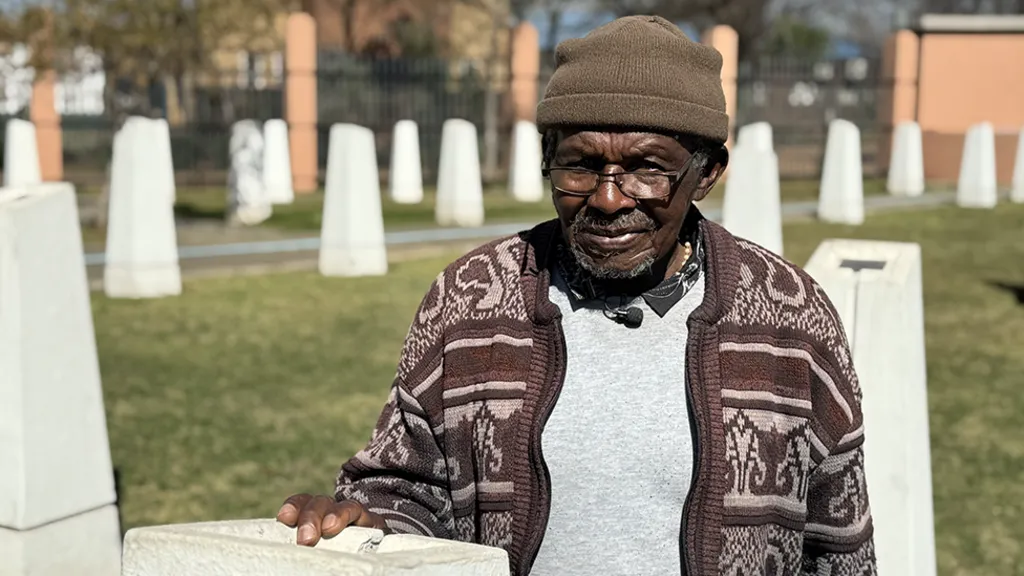
Abraham Mofokeng, now 86 years old, still bears the physical scars of the Sharpeville massacre, which took place 66 years ago. On March 21, 1960, police opened fire on a peaceful protest against the apartheid government's discriminatory pass laws. Mofokeng, along with at least 69 others, was killed by police bullets, leaving a lasting impact on his life and the anti-apartheid movement.
The massacre exposed the brutality of the racist apartheid system, yet none of the perpetrators were ever prosecuted due to the 1961 Indemnity Act, which protected the police and government from criminal and civil charges related to the event.
The township of Sharpeville, now south of Johannesburg, is a place that appears desolate and unrecognizable as a symbol of the struggle against apartheid. Its roads, once tarred, have returned to dirt, and many of the houses are small brown-faced brick homes from the apartheid era. Despite the passing of more than 30 years of democratic rule in 1994, when Nelson Mandela became president, the scars of apartheid remain.
Several attempts at redress, including the Truth and Reconciliation Commission, have been made, but the survivors feel they have not seen justice.
The Human Rights Precinct in Sharpeville's local memorial park stands as a reminder of the event, featuring 69 white pillars, each representing one life lost. The victims were killed while demonstrating against the racist pass laws, which forced black people to carry the "dompas" – a document that restricted their freedom to move around the country.
Mofokeng, among the more than 200 injured, joined the protest to express his frustration with the oppressive system. Lazarus Magotsi, another survivor, recounts the terror of hiding in a store as police fired indiscriminately into the crowd. The court case filed by Lawyers for Human Rights and UK-based Leigh Day aims to overturn the 1961 Indemnity Act, which prevents the survivors from seeking justice.
The case also seeks to certify a class action, potentially allowing dozens of victims and their relatives to sue the state collectively. Constitutional law expert Prof Frans Viljoen believes that repealing the old law would help "clean up" the legislation and "close a chapter on the past."
Written by urgent.news from MyJoyOnline Ghana's reporting — not their text. Machine-written — may contain errors; check the original before relying on it.
This story
This is one outlet's version. Read the fullest account.
- 11-year-old boy circumcised by schoolmates in South Africa punchng.com
- Enos Mafokate: South Africa’s King of Horses sadly reaches the finish line mg.co.za
- How much do teachers earn in South Africa in 2026? The top salaries revealed iol.co.za
- Sharpeville massacre survivors start legal fight for justice in South Africa bbc.co.uk